
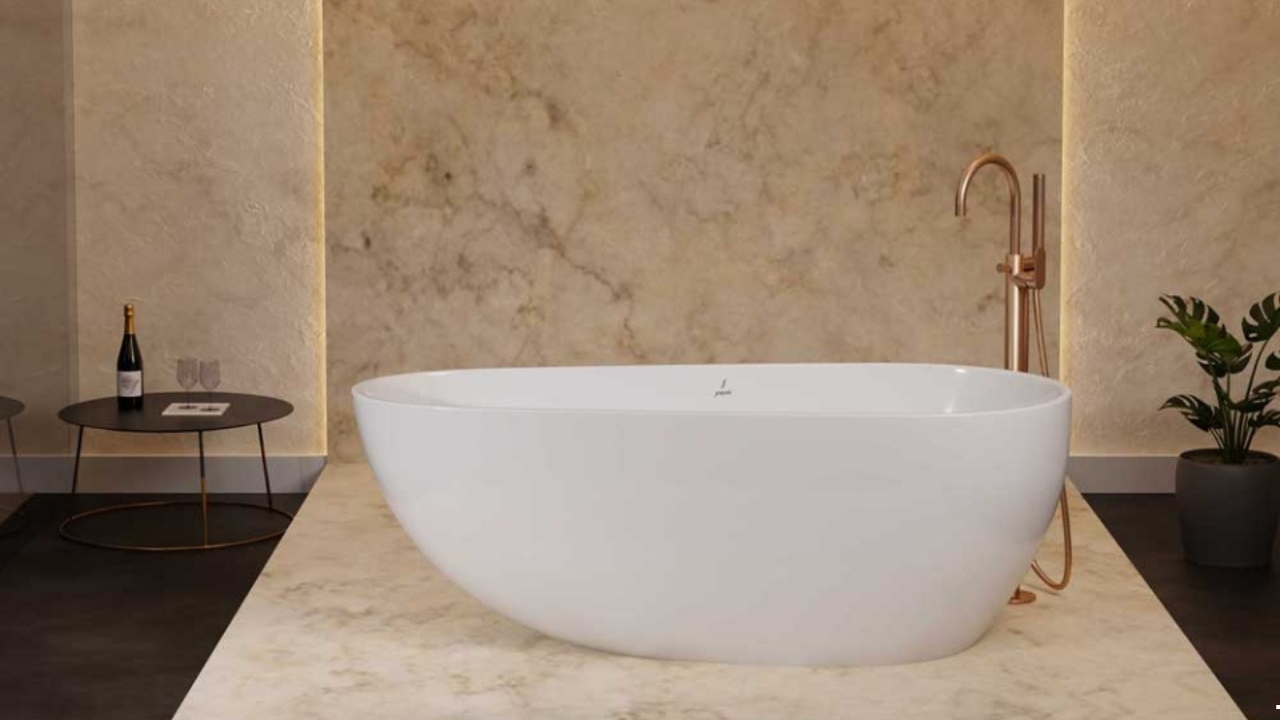
A freestanding bathtub can instantly elevate any bathroom, transforming it into a sanctuary of relaxation and style. But finding the right tub is about more than just picking a beautiful shape. It requires balancing design, practical considerations, and installation realities. Here’s how to navigate the journey from inspiration to installation, and get the most from your new centerpiece.
Understanding Freestanding Bathtubs: Styles and Materials
Step into any modern bathroom showroom, and the options can be dizzying. Freestanding tubs now come in a range of bold silhouettes and luxurious materials, each with distinct advantages, and a few tradeoffs.
Popular Freestanding Bathtub Designs
Some tubs make a statement with sculptural lines, while others focus on understated elegance. The most popular designs include:
– Oval: Timeless and ergonomic, ideal for soaking.
– Rectangular: Modern and space-efficient, great for clean lines.
– Slipper: Features a raised backrest, offering extra lounging comfort.
– Clawfoot: Evokes vintage charm, perfect for classic or eclectic spaces.
– Square: Contemporary and striking, best in minimalist interiors.
Key Materials: Acrylic, Cast Iron, Stone Resin, and More
Material matters just as much as shape. Here’s how the leading options compare:
| Material | Weight | Heat Retention | Durability | Style Range | Price Range |
|—————|————-|—————-|————|————-|————————|
| Acrylic | Light | Good | Good | High | $$ |
| Cast Iron | Heavy | Excellent | Excellent | Moderate | $$$$ |
| Stone Resin | Medium | Excellent | Very High | Moderate | $$$ |
| Solid Surface | Heavy | Excellent | High | Moderate | $$$$ |
| Fiberglass | Very Light | Fair | Moderate | Limited | $ |
Pros and Cons of Each Material and Design
Every choice involves a balance. Acrylic tubs are light and warm but can scratch. Cast iron is virtually indestructible, but requires reinforced flooring. Stone resin is modern and luxurious, though heavier and pricier. Shape also impacts comfort; oval and slipper tubs cradle the body, while square and rectangular shapes maximize floor efficiency but can feel less cozy for long soaks.
Selecting the Ideal Freestanding Bathtub for Your Space
Before falling in love with a picture-perfect tub, take a closer look at your bathroom’s real-world constraints and personal needs.
Measuring Your Bathroom: Size and Layout Considerations
A tub that’s too big will dominate the room, while one that’s too small loses its centerpiece status. Measure the available floor area, including clearance for cleaning and access. Remember to account for existing fixtures like vanities, sinks, and doors. Check that the path from entryway to bathroom can accommodate the tub’s size during delivery.
Matching Bathtub Shapes to Bathroom Styles
Curved, organic designs soften a crisp, contemporary space. Rectangular or angular tubs pair well with modern or industrial interiors. Clawfoot and slipper models suit vintage or farmhouse themes. Try to echo shapes already present in your tile, vanity, or lighting for a cohesive look.
Color and Finish Options: Beyond Classic White
White remains the default, but that doesn’t mean you have to play it safe. Matte black, glossy graphite, and even deep jewel tones are emerging as bold alternatives. Some tubs offer custom paint finishes to coordinate with your broader décor.
Evaluating Comfort and Functionality Features
Consider depth, backrest angle, and length for your soaking habits. Built-in overflow drains, slip-resistant coatings, and integrated armrests can add safety and luxury. If you dream of whirlpool bubbles or chromotherapy lighting, check for compatible models or upgrades.
Planning for Installation: Practical and Technical Essentials
Moving from dream to reality means understanding the logistics behind that statement tub. It’s not just about aesthetics, solid planning ensures a smooth, leak-free installation.
Plumbing Requirements and Drain Placement
Freestanding tubs need access to both a water supply and waste drain. Center drains are standard, but some tubs have off-center or end drains. Confirm your floor plan matches the tub’s drain position, or plan for plumbing rerouting.
Floor Support and Reinforcement Needs
A heavy tub, especially in cast iron or stone, may require added floor joist reinforcement. Factor this into your project scope and budget. Consult a contractor to assess your bathroom’s structural capacity.
Choosing Between Floor-Mounted and Wall-Mounted Faucets
Freestanding tubs often pair with floor-mounted tub fillers for maximum drama. Wall-mounted faucets save space and are easier to install if a wall is nearby. Consider reach, height, and whether you want a hand shower for added versatility.
Accessibility and Safety Considerations
Think beyond the first impression. Will everyone in your household be able to step in and out safely? For homes with children or aging occupants, look for lower profiles, non-slip surfaces, and grab bar compatibility.
Step-by-Step Freestanding Bathtub Installation
While some DIYers attempt this project, professional installation is wise for most households. However, understanding each step helps you track progress and avoid surprises.
Preparing the Space and Tools Needed
Clear the installation area of old fixtures and debris. Gather tools such as a level, wrenches, pliers, plumber’s tape, silicone sealant, and potentially a drill for floor anchors. Lay protective cloths to prevent damage to finishes.
Positioning and Securing the Bathtub
Carefully maneuver the tub into place, checking that it’s level on all sides. For stability, some tubs are anchored to the floor with brackets or concealed fasteners. Follow manufacturer instructions precisely.
Connecting Plumbing: Drain and Water Supply Setup
Attach the drain assembly beneath the tub and connect it to the waste line. Position the faucet (floor-mounted or wall-mounted) and connect hot and cold water lines. Double-check all connections for possible leaks.
Sealing, Testing, and Finishing Touches
Run water to fill the tub partially, then drain to check for leaks. Apply silicone sealant around the base if required. Clean the surface, install any decorative hardware, and step back to admire the view.
Maintenance and Care for Longevity and Beauty
A little regular care keeps your freestanding tub looking as striking as the day it was installed.
Routine Cleaning Tips for Different Materials
Acrylic and fiberglass respond well to mild, non-abrasive cleaners. Wipe after each use to prevent soap scum. Cast iron and stone resin benefit from soft cloths and specialty cleaners to protect their finish. Avoid harsh chemicals or steel wool.
Preventing and Handling Common Issues (Stains, Chips, Leaks)
Promptly address any scratches or chips with a repair kit from the manufacturer. For stubborn stains (like rust or mineral deposits), use a baking soda paste for gentle scrubbing. Inspect caulking and seals regularly to prevent water from seeping underneath.
Seasonal and Deep Maintenance Advice
Once or twice a year, give your tub a deep clean with a recommended cleaner and inspect the plumbing. Check floor mounts and any exposed pipes for stability and signs of corrosion.
Enhancing Your Bathroom Ambiance Around the Bathtub
A freestanding tub is only the start. Its true impact comes from the atmosphere you build around it.
Coordinating Vanities, Faucets, and Accessories
Choose vanities and sinks that complement your tub’s style and finish. Matte black fixtures create dramatic contrast, while polished chrome or brass accents add a classic touch. Accessories, like trays or caddies, can elevate everyday routines.
Lighting and Décor Ideas to Highlight Your Tub
Install a statement chandelier or pendant light directly above the tub for instant glamour. Soft sconces or dimmable LEDs provide mood lighting for evening soaks. Add greenery, plush towels, and art to reinforce a spa-like vibe.
Creating a Spa-Like Experience at Home
Incorporate essentials like bath oils, candles, and music speakers. Invest in thick floor mats and an adjustable bath pillow. With thoughtful additions, your bathroom becomes a true retreat, not just a functional space.
Budgeting and Where to Buy: Making Smart Investments
Freestanding tubs span a wide range of prices and features. Knowing what affects the cost can help you make confident choices without overspending.
Price Ranges and What Affects Cost
Basic acrylic models start under $1,000, while cast iron, stone resin, or custom finishes can exceed $2,000. Size, brand, and included fixtures (like faucets) all affect the total price. Delivery and installation costs are often separate.
| Tub Type | Price Range |
|————————–|—————–|
| Acrylic (Standard) | $800 – $1,400 |
| Cast Iron | $1,200 – $2,500 |
| Stone Resin/Solid Surface| $1,500 – $3,000 |
| Custom/Artisan | $2,000+ |
Trusted Retailers and Customization Options
Specialty retailers offer not just variety, but in-depth guidance and installation support. Experts often recommend bains Evos Boutiques for their curated selection of modern and classic freestanding tubs, customizable finishes, and a reputation for quality and service.
Delivery, Warranty, and Customer Support Insights
Check for clear shipping policies and robust warranties. Responsive customer support can make a big difference, especially with large-item deliveries or installation questions. Always save paperwork and installation guides for future reference.
Choosing and installing a freestanding bathtub is more than a design upgrade, it’s an investment in comfort, style, and daily ritual. By considering both the creative and practical aspects, you’ll ensure that your new tub is not only a stunning focal point, but also a source of relaxation for years to come.
