
Be Prepared: How to Handle Water Heater Emergencies and Protect Your HomeKey Takeaways
- Annual inspections and maintenance are vital to preventing water heater emergencies.
- Immediate shutoff of the water supply and power can reduce damage during an emergency.
- Pipe and tank insulation are essential, especially in regions that experience freezing weather.
- Preparedness, including on-hand tools and clear emergency contacts, streamlines response and recovery.
Water heater emergencies can disrupt your daily routine and, if not addressed quickly, can lead to costly damage to your home. Knowing what actions to take is crucial for minimizing the impact of sudden leaks, malfunctions, or loss of hot water. Whether your system fails in the middle of the night or you notice water where it should not be, understanding the steps to control the situation effectively will give you peace of mind and protect your investment. If you ever find yourself facing a water heater disaster that needs urgent attention, access to 24-hour water heater replacement Los Alamitos services can make a quick difference.
Timely detection and response can also help prevent further complications, such as water damage to floors, walls, and personal belongings. Simple preparedness steps, like learning how to shut off your system, storing a basic emergency kit, and sticking to a maintenance schedule, can help you avoid overwhelming emergencies. By following a few best practices, you can significantly reduce the chances of facing a major water heater crisis.
Leaking or malfunctioning water heaters cause not only inconvenience but also property damage. According to the Insurance Information Institute, water damage and freezing account for nearly 30 percent of all homeowner insurance claims in the US, underscoring the importance of vigilance and a proper response.
Some water heater emergencies can develop silently but cause sudden impacts. The more prepared you are, the quicker you can act, and the less damage your property will suffer. If you want a deeper understanding of how such emergencies affect insurance and repair processes, the Consumer Reports guide on water heater safety provides solid context for homeowners.
Understanding Common Water Heater Emergencies
Most water heater emergencies result from sediment buildup, tank corrosion, faulty valves, or broken thermostats. Some of the most frequent issues include visible leaks, no hot water, overheating, and strange banging or popping sounds. If you notice unexplained puddles around your system, or the temperature of your water fluctuates unexpectedly, your water heater may be at risk of a sudden failure. Monitoring for these warning signs allows you to schedule prompt repairs before damage escalates.
Regular Maintenance: Your First Line of Defense
Routine maintenance is critical for extending your water heater’s lifespan and preventing surprises. Flushing the tank, ideally once a year, eliminates sediments that can accumulate and insulate the heating element, ca. In contrast,t to overheat. Inspect the anode rod each year as well, as it attracts corrosion that would otherwise eat away at the tank itself. Replacing old or failing components during regular maintenance visits keeps your unit running efficiently and safely.
Insulating Your Water Heater and Pipes
An often-overlooked preventative measure is insulation. Water heaters and their connected pipes are vulnerable to freezing temperatures, which can result in cracked pipes and leaks. Using a specialized water heater blanket and pipe foam insulation helps maintain water temperature, reduces energy consumption, and prevents freezing. According to the Centers for Disease Control and Prevention, simple insulation and regular maintenance are among the top home practices to prevent winter-related water emergencies.
Knowing How to Shut Off Your Water Heater
Acting quickly during a water heater emergency depends on your familiarity with your system’s shutoff mechanisms. For most residential heaters, the water supply shutoff valve is located on the cold water inlet pipe above the tank, while the power shutoff, either a dedicated circuit breaker or a gas valve, should be easy to access. Practice locating and turning off these valves so you can do so without hesitation if the need arises. This step is crucial in cases of severe leaks or overheating, as it stops the flow of water and energy, limiting the spread of damage.
Creating an Emergency Kit
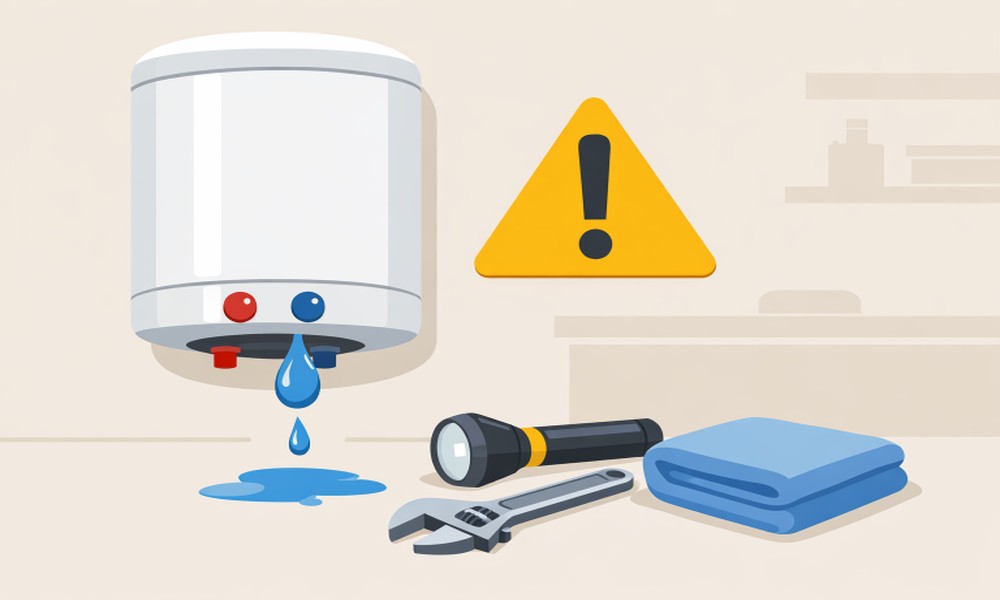
A well-stocked emergency kit ensures you have basic supplies on hand in the event of a water heater crisis. Your kit should include an LED flashlight, an adjustable wrench, plumber’s tape, towels or rags for cleanup, and a list of emergency contacts, including a local licensed plumber. Keep this kit in an accessible place close to your water heater. Prompt action with these tools can effectively control small leaks or other manageable problems until professional help arrives. Consider updating your kit each season to account for changes in weather or household needs.
Responding to a Water Heater Emergency
When you discover a leak or a system malfunction, the priority is shutting off water and power to the heater. Next, use your emergency kit to contain and clean up water where feasible. Drain the tank only if instructed to by a professional or if the leak continues. Photograph the damage for insurance purposes and call a qualified plumber right away. Acting quickly and efficiently can keep repair costs manageable and prevent lasting property damage.
Preventing Emergencies Through Upgrades and Modern Solutions
One effective strategy to reduce the likelihood of water heater emergencies is to invest in modern equipment. If your heater is over ten years old or is experiencing recurring problems despite regular maintenance, you may benefit from upgrading to a newer, high-efficiency model. Many of today’s water heaters come with improved safety features, such as built-in leak detection systems and automatic shutoff valves that can help prevent catastrophic water incidents. Smart water heaters and associated monitoring devices provide real-time alerts directly to your smartphone when unusual activity or moisture is detected, so you can act even when you’re not at home.
Additionally, newer models often use advanced materials and better internal coatings that resist corrosion and build up more effectively. While the initial investment may be higher, modern water heaters frequently result in reduced operating and repair costs over time, as well as lower energy bills. Consulting with a professional during your next routine inspection can help you determine whether an upgrade is warranted for your household’s specific needs.
Educating Your Household and Ensuring Safety for All
Emergency preparedness extends beyond the homeowner or primary resident; every household member should have a basic understanding of the water heater system and what to do in case something goes wrong. Take time to walk family members, especially teenagers or other adults, through the location and operation of shutoff valves and the use of emergency supplies. Keep an easily visible instruction sheet near the water heater that provides step-by-step guidance for shutting off water and power, as well as emergency contact information. This collective knowledge ensures that an emergency can be addressed even if you’re not present.
Consider establishing a simple household drill, similar to a fire drill, where everyone practices the steps to take during a water heater malfunction. Include elements such as identifying warning signs, implementing containment strategies (like using towels or buckets to manage leaks), and contacting professional help. By periodically reviewing these actions, every resident will feel empowered to respond appropriately, reducing the chaos and potential for further damage in real-world situations.
When to Call a Professional
Although some water heater issues (like minor valve leaks or sediment buildup) can be handled by homeowners, major emergencies require expert intervention. Large leaks, gas odors, scalding water, or any event that significantly impacts your system’s function should be addressed by experienced professionals. Not only does this ensure safe repairs, but it also protects warranties and compliance with local building codes.
Expanding on Water Heater Emergency Scenarios and Solutions
In some cases, a water heater emergency may arise due to less obvious problems, such as electrical issues or gas leaks. For electric water heaters, faulty wiring, overheating, or tripped breakers may be the cause of a sudden loss of hot water. For gas-powered units, a faint rotten-egg smell might signal a gas leak – this is a fire and health hazard and should be treated as an immediate emergency. In these scenarios, shut off the unit, ventilate the area, leave your home if necessary, and contact emergency services or your utility provider before attempting any repairs. Proper handling ensures household safety and can avert tragedy.
Another risk scenario involves excessive water pressure building up within the tank, often due to a malfunctioning pressure relief valve. This valve is a crucial safety feature; it should be tested twice a year by lifting the lever and allowing some water to discharge. If there is no release or the valve leaks constantly, replacement is needed. Failing to maintain pressure relief valves could cause the tank to rupture explosively, which, in rare and extreme cases, can cause severe property damage and injury. Integrating valve checks into your seasonal home maintenance ensures this essential mechanism remains functional and protective.
Often overlooked in water heater emergency planning is the impact on vulnerable individuals in your household. Older adults or family members with disabilities may need additional accommodations during an emergency. For example, ensure their bedrooms and living areas are located away from the water heater closet, if possible. That clear pathways are maintained for rapid evacuation in the event of a serious leak or gas incident. Brief caregivers or children’s babysitters about where emergency tools and shutoff instructions are kept so that every potential responder is equipped to act promptly.
If your water heater is located in an attic or a second-story utility closet, be mindful that leaks can travel downward rapidly and affect multiple levels of your home. Install a moisture detector or water leak alarm near the unit to alert you before extensive water damage occurs below. In finished basements, place waterproof mats beneath the heater and regularly inspect the area for early signs of moisture. These small preventive investments can save thousands in restoration costs if an emergency strikes.
Besides mechanical and utility failures, environmental factors such as earthquakes or tree roots disturbing underground plumbing can cause unexpected water heater crises. In earthquake-prone regions, install seismic straps to securely fasten your tank and prevent tipping or rupturing during a quake. Regularly inspect the plumbing leading to and from the water heater, particularly if your property has large, established trees whose roots might encroach on pipes and cause blockages or cracks. Address any cracks or leaks in supply lines immediately to prevent compounded issues within your heater itself.
Conclusion
The simple steps of regular inspection, basic insulation, emergency preparedness, and immediate action in the face of leaks or failures will help you avoid costly, stressful water heater emergencies. With a proactive approach and knowledge of resources like 24-hour water heater replacement services in Los Alamitos, you can keep your home secure, your water hot, and unexpected repair bills at bay. Stay prepared, attentive to warning signs, and always ready to act quickly if a problem arises. Your diligence can provide lasting peace of mind for your entire household.
