
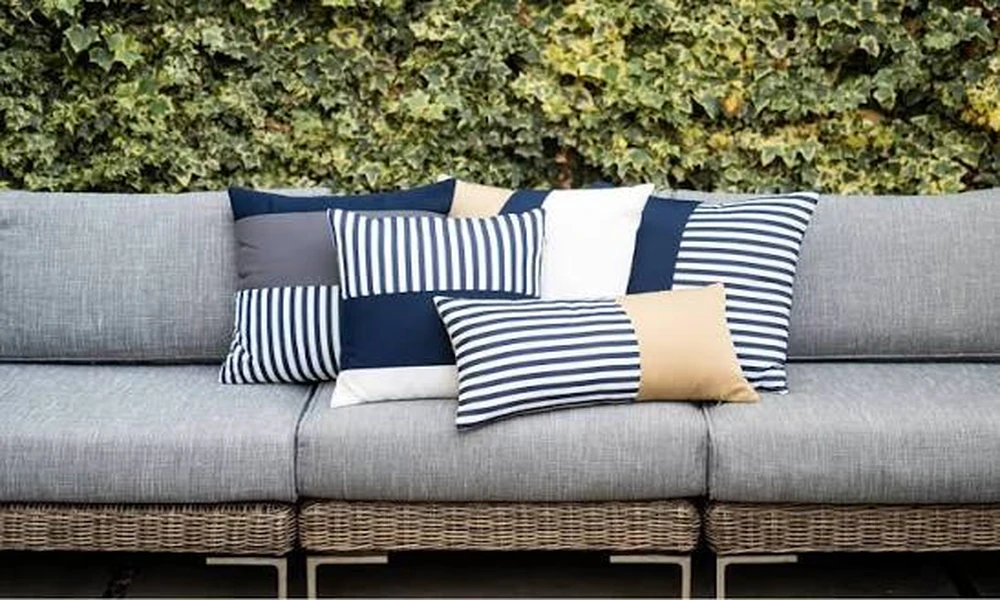
If you own Lloyd Flanders furniture, you already know it was built to go the distance. That sturdy wicker frame can last for decades with the right attention. But the cushions? That’s a different conversation. Whether yours have gone flat, faded, or just lost their shape after years of use, investing in quality Lloyd Flanders replacement cushions is one of the smartest decisions you can make to bring that furniture back to life.
Still, before you spend the money, it makes sense to ask a practical question: how long should they actually last?
The honest answer is, it depends. But with the right materials and a little consistent care, a well-made set of replacement cushions can hold up comfortably for five to ten years or more. Here’s what affects that timeline and how you can get the most out of every cushion you buy.
Key Takeaways
- High-quality outdoor cushions made with performance fabrics and dense foam can last five to ten years with proper care.
- Fabric choice is one of the biggest factors in outdoor cushion longevity. Solution-dyed acrylic fabrics are among the most durable options available.
- Storing cushions during off-seasons or during heavy weather significantly extends their lifespan.
- Mold, mildew, and UV exposure are the top causes of premature cushion breakdown.
- Made-to-order cushions with denser foam hold their shape and support longer than mass-produced alternatives.
- Recovering worn foam is rarely worth it. Replacing both the foam and the cover gives you a better result and a longer lifespan.
It Starts with What They’re Made Of
Not all outdoor cushions are built the same way, and that matters more than most people realize when they’re shopping for replacements.
The two biggest factors in how long a cushion lasts are the foam and the fabric. Cheap big-box cushions often use low-density foam that breaks down within a season or two, especially when exposed to heat, humidity, and regular use. Quality replacement cushions, on the other hand, use denser foam that holds its shape and its support for years.
On the fabric side, solution-dyed acrylic fabrics are widely considered the gold standard for outdoor use. Unlike surface-printed fabrics where color sits on top of the fiber, solution-dyed fabrics are colored all the way through. That means the sun has a much harder time bleaching them out. According to Sunbrella, one of the most recognized names in outdoor performance fabric, their solution-dyed acrylic is engineered to resist fading, mold, and mildew and is backed by a five-year warranty against fade.
If you want cushions that still look sharp after three or four summers, the fabric choice alone can make or break that goal.
What Actually Shortens the Life of Outdoor Cushions
Understanding what damages cushions helps you avoid the habits that cut their lifespan in half. Here are the most common culprits:
Prolonged sun exposure. Even performance fabrics fade faster when they are left in direct sunlight all day, every day, without any break. A little shade goes a long way.
Moisture and poor drainage. Cushions that stay wet for long periods, whether from rain, dew, or pooling water, are breeding grounds for mold and mildew. Quality outdoor cushions are often designed with drainage in mind, but they still need to dry out regularly.
Skipping storage during off-seasons. This one is easy to overlook, especially if you live somewhere with mild winters. But leaving cushions outside through freeze-thaw cycles, extended rain, or heavy humidity without any protection takes years off their life.
Sitting on wet foam. Once water gets deep into the foam and stays there, it weakens the structure over time and can create unpleasant smells that are hard to get rid of.
Infrequent cleaning. Dirt, pollen, and organic debris that sit on fabric for long stretches can degrade the fibers and make the cushion look prematurely worn.
The Five-Year Rule (and When You Can Beat It)
Industry-standard outdoor cushions from quality manufacturers are generally expected to last somewhere between three and seven years, depending on climate, use, and care. A study by the Outdoor Furniture Industry Association found that consumers replace outdoor cushions on average every three to five years, often before the cushion has actually worn out, simply because the fabric has faded or the cushion has gone flat from inferior foam.
With higher-quality, made-to-order cushions, that window extends considerably. Homeowners who invest in thicker, denser foam and performance fabric, and who follow basic care habits, regularly report getting eight or ten years of use out of a good set. That changes the math on what it makes sense to spend.
Simple Habits That Add Years to Your Cushions
You don’t have to be obsessive about it. A few consistent habits make a big difference:
Bring them in during heavy rain when you can. Even weather-resistant fabric benefits from not sitting in a downpour for three days straight.
Let them dry completely before stacking or storing them. Stacking damp cushions is one of the fastest ways to grow mildew.
Use cushion storage bags or a deck box during the off-season. Even a simple waterproof bag keeps moisture and pests out during the months you aren’t using the furniture.
Rotate your cushions periodically. If one seat gets more sun or more use than the others, rotating them evens out the wear.
Clean them regularly. For most outdoor performance fabrics, mild soap and water on a regular basis is enough to keep things looking fresh. Avoid harsh bleach-based cleaners unless the fabric manufacturer specifically recommends them, as they can break down fibers over time. Always refer to the care guidance provided with your specific cushions.
Flip reversible cushions. If your cushions are designed to be flipped, do it. It distributes the wear and keeps the foam from compressing unevenly.
A Note on Replacing Just the Covers
It comes up fairly often: can you just buy new covers for old cushions instead of replacing the whole thing?
Sometimes, yes. If the foam is still firm, still holds its shape, and still provides real support when you sit on it, new covers can freshen things up nicely. But if the foam has already collapsed, gone lumpy, or lost its resilience, covering it in new fabric is a short-term fix that doesn’t actually solve the problem. You will still sit on something uncomfortable. The old foam also can’t serve as a reliable template for the new cover, since worn foam shrinks and distorts over time.
In most cases where cushions have genuinely worn out, replacing both the foam and the cover is the better investment. It gives you the full comfort and support of a new cushion, and it protects the life of the furniture you clearly want to hold onto.
Why the Furniture Outlives the Cushions Every Time
This is something Lloyd Flanders owners understand intuitively. The furniture itself, when properly maintained, can last for thirty years or more. The wicker frame, the construction, the craftsmanship that went into it. It was never a throwaway purchase.
The cushions, by nature, take more abuse. They absorb the weather, the sun, the daily use, the spills, and the weight of a good afternoon spent outside. They are not meant to last forever. But they can last a long time with quality materials and a little care.
According to a survey by Statista, outdoor living spaces rank among the top home improvement priorities for American homeowners, with spending on patio and outdoor furniture continuing to grow year over year. People are investing in their outdoor spaces because they genuinely use them, and they want those spaces to feel comfortable and beautiful.
Getting ten years out of a great set of replacement cushions, rather than replacing cheap ones every two years, is not just more comfortable. It is more economical and, frankly, more satisfying.
Made-to-Order Makes a Difference
One more thing worth mentioning. Mass-produced cushions are made to fit a general range of furniture. They are cut to common dimensions and filled with whatever materials keep the price point competitive.
Made-to-order cushions are cut and built for your specific furniture. That means the fit is right, the foam is the thickness and density you actually chose, and the fabric is one you selected. That level of specificity is part of why a well-made replacement cushion outperforms a generic one in both comfort and longevity.
American craftsmanship still counts for something in this space, and it shows in the finished product.
The Bottom Line
A good set of Lloyd Flanders replacement cushions, made with quality foam and performance fabric and cared for properly, can give you five to ten years of comfortable, attractive use. That’s a reasonable return on an investment in furniture you clearly love.
The biggest things working against longevity are poor materials, skipped storage, and neglecting basic cleaning. None of those are hard problems to solve.
Buy quality. Care for it consistently. And enjoy your patio the way it was meant to be enjoyed.
