
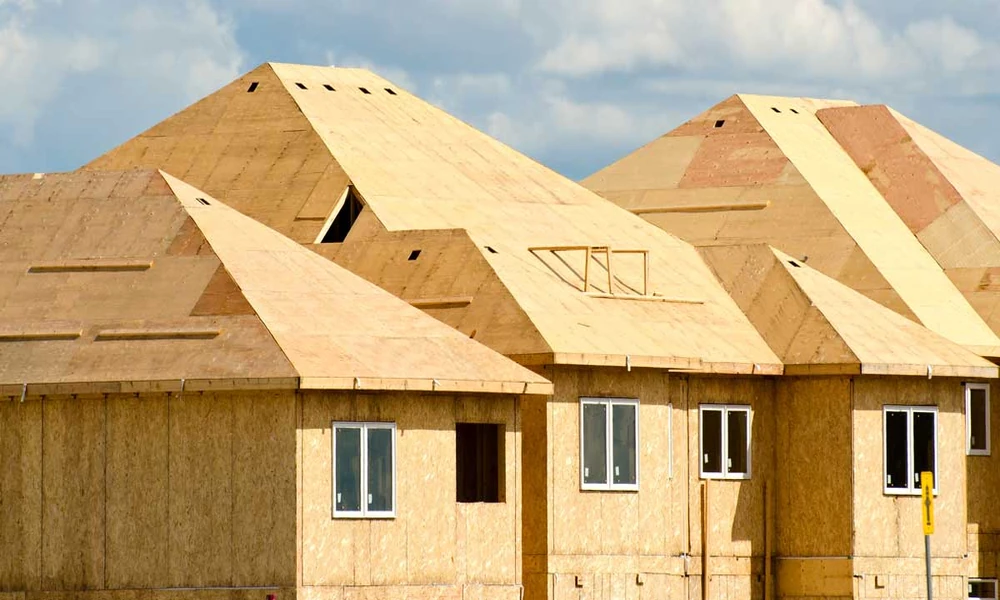
Two roofing estimates for the same house can land thousands of dollars apart, and the gap rarely comes from the shingles. It usually sits in lines that read like fine print. These include how much rotted decking is included, how far the ice barrier runs past the eave, how ventilation was calculated, and whether permits and disposal are in the price or billed later.
In DuPage County those lines carry extra weight. Spring and summer storms push hail and straight line winds across the western suburbs, and the June 2021 tornado through Naperville, Woodridge and Darien showed how fast a whole neighborhood can need roofs at once. Winters add freeze and thaw cycles and ice dams at the eaves. Many postwar and 1970s homes are on their second or third roof, sometimes with two layers of shingles over original plank decking. That is exactly where vague estimates turn into change orders.
Based in Glen Ellyn, Strata Exteriors is a roofing company in DuPage County that pairs residential roofing with insurance claim expertise and emergency repair, so a storm-damaged roof can be documented, tarped and scoped by the same team. For homeowners ready for an upgrade, the lineup includes designer shingles and shake and synthetic systems, including cedar and premium synthetic options. Request a roofing estimate and have every line explained before you sign.
Reading the Estimate Line by Line
| Estimate line item | What it should include | Red flags to watch |
|---|---|---|
| Tear off and disposal | Number of existing layers, removal to the deck, dumpster and haul away | “Overlay” on a roof that already has two layers; no layer count |
| Decking allowance | Number of sheets included and a per sheet price for extras | No sheet count or “as needed” with no price |
| Underlayment and ice barrier | Synthetic underlayment brand, ice barrier at eaves, valleys and penetrations | Felt only, or ice barrier limited to one row at the edge |
| Flashing | New step, counter, chimney and pipe flashing; drip edge on eaves and rakes | “Reuse existing flashing” or flashing not mentioned |
| Ventilation | Intake and exhaust type, quantity and net free area | Adding roof vents with no mention of soffit intake |
| Shingle line and accessories | Manufacturer, product line, color, matching starter and ridge cap | Generic “architectural shingle” with no brand |
| Permits and inspections | Village permit fee and who schedules inspections | Permit “if required” or left to the homeowner |
| Cleanup and protection | Magnetic nail sweep, landscape tarps, gutter cleanout | Nothing written about cleanup |
| Warranty terms | Manufacturer coverage tier plus written workmanship term | A verbal promise or a single “lifetime” with no detail |
Terms Worth Understanding Before You Sign
Decking allowance
Rotted or delaminated sheathing only shows up once the old roof is off, so good estimates include a set number of sheets and a fixed price for anything beyond it. As a general market range, replacement sheets often run roughly $70 to $120 each installed. Older homes with 1×6 plank decking may need a full re-sheet, which belongs in writing as an option rather than a surprise.
Ice barrier
A self-adhered membrane that seals around nails. The International Residential Code calls for it in climates with a history of ice dams, running from the eave to at least 24 inches inside the exterior wall line. On low pitches or wide overhangs, that can mean two courses, not one.
Balanced ventilation
Code ventilation is commonly figured at 1 square foot of net free area per 150 square feet of attic floor, or 1 per 300 when intake and exhaust are balanced. Exhaust without soffit intake can pull conditioned air from the house and worsen ice dams instead of preventing them.
System warranty
Manufacturers such as Owens Corning and CertainTeed offer enhanced coverage only when matching starter, underlayment, ridge cap and ventilation are installed by a credentialed contractor and the job is registered. If the estimate mixes brands, that upgraded coverage may not apply.
Matching the System to the Roof
Designer shingles
Heavier, multi-layer shingles that mimic slate or shake. Several lines carry a UL 2218 Class 4 impact rating, which some insurers recognize with a premium credit. Ask your carrier before choosing.
Shake and synthetic systems
Natural cedar needs proper interlayment and ventilation to dry between storms. Synthetic shake and slate offer a similar look at lower weight, with no splitting or curling. Confirm the estimate lists the exact product and the underlayment the manufacturer requires.
Flat and low slope sections
Asphalt shingles aren’t permitted on slopes below 2:12, and slopes from 2:12 to 4:12 need doubled underlayment. Porches, dormers and additions at lower pitch call for TPO, modified bitumen or built-up roofing. Each should appear as its own line item.
When the Estimate Follows a Storm
Storm work adds an insurance layer to the paperwork. The Illinois Attorney General notes that homeowners have the right to cancel a disaster repair contract within five days of an insurance carrier’s denial, and that state law requires a signed written contract for repair work over $1,000. A few terms help in reading the carrier’s estimate next to the contractor’s.
Actual cash value and replacement cost value
Replacement cost value is the price to replace the roof today. Actual cash value subtracts depreciation for age. Many policies pay the actual cash value first.
Recoverable depreciation
On replacement cost policies, the withheld depreciation is often released after the work is finished and documented. Policies differ, so read the declarations page.
Supplement
A request to add items found after the initial inspection, such as extra decking or code-required ice barrier. It should be supported with photos and measurements.
Ordinance or law coverage
Pays for upgrades that local code requires but the old roof didn’t have. Not every policy includes it.
No contractor can guarantee what a carrier will approve. A clear, itemized estimate gives the adjuster less to question.
Comparing Quotes the Right Way
Line up two or three estimates against the same nine items, not the bottom number. When one quote is far lower, the missing money usually sits in decking, flashing or ventilation. Those are the parts of a roof that fail first after a DuPage winter.
