
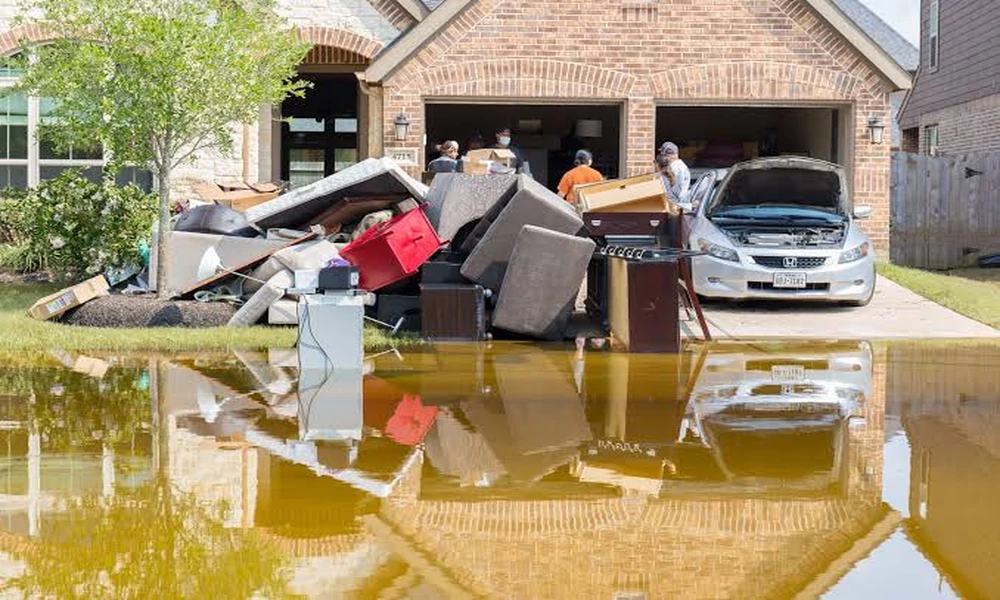
Picture a finished basement the morning after a sump pump gives up. The carpet squishes, the bottom of the drywall has turned a darker shade, and the air already smells a little sour. Most homeowners know the first job is getting the water out. Far fewer realize that removing water is only the opening act, and that the second act, rebuilding what had to be torn out, is where many recovery projects slow down or fall apart.
That split between drying and rebuilding shapes almost every water loss, and it explains why some households are back to normal in a few weeks while others live with bare studs for months. Homeowners across Indianapolis and Bloomington who call a full service crew such as A1 Restoration often find that the same people who pulled up the soaked carpet are the ones who later hang new drywall and match the trim, so nothing gets lost between the two stages.
Central Indiana homes see water from more directions than people expect. Heavy spring storms overwhelm sump pumps, January cold snaps split pipes inside exterior walls, older neighborhoods deal with sewer backups after big rains, and crawlspaces under many ranch homes stay damp for months without anyone looking. Each source leads to the same two part journey, even if the details differ.
The First Half Is a Race Against Time
Water damage does not sit still. Drywall wicks moisture upward, wood swells, and mold can start growing on damp materials within a day or two. That is why the EPA’s flood cleanup guidance stresses drying everything completely and quickly, and treating anything that stays wet as a health concern rather than just a cosmetic one.
The drying stage usually moves through extraction with truck mounted or portable pumps, removal of materials that cannot be saved, and then days of air movers and dehumidifiers running nonstop. Technicians take moisture readings each day and compare them with dry areas of the same house. Drying is finished when the numbers match, not when the surface feels dry to the touch.
What kind of water came in matters just as much as how much. Clean water from a supply line is handled very differently from water that came up through a floor drain. The industry’s IICRC S500 standard sorts water into categories by contamination level, and that category decides whether carpet can be dried in place or has to go straight to the dumpster.
Why Good Looking Drywall Still Gets Cut
Homeowners are often surprised when a crew cuts a clean line across the wall a foot or two above the visible waterline. It feels like destruction. In reality, the paper face on drywall soaks up water like a sponge, and the insulation behind it can hold moisture for weeks without showing any sign on the surface. Cutting the wall open lets air reach the studs and the bottom plate so they can dry properly.
The same logic applies to carpet pad, which almost never survives, and to laminate flooring, which traps water underneath. Solid hardwood is a judgment call. Boards that cup slightly can sometimes flatten as they dry, while boards that crown or separate usually need replacing.
The Handoff Nobody Plans For
Once everything is dry, the house is technically safe but nowhere near livable. Walls are open, floors are bare, and cabinets may be missing. This is the moment when many families discover that their drying company does not rebuild, and they now need to find, vet, and schedule a separate contractor.
That gap creates real problems. A new contractor has to measure and price everything again. The insurance adjuster may question differences between the two scopes. Weeks can pass while open walls collect dust and the family works around a torn up room.
| Stage | What happens | What to keep a record of |
|---|---|---|
| Drying | Extraction, removal of wet materials, equipment setup, daily moisture checks | Photos before removal, daily moisture logs, list of discarded items |
| Transition | Final moisture readings, scope for repairs, insurance review | Written dry confirmation, line by line repair estimate |
| Rebuilding | Insulation, drywall, trim, flooring, cabinets, paint | Material choices, permits if wiring or plumbing changed, final walkthrough notes |
Keeping both halves under one roof shortens that transition. The people who removed the materials already know exactly what came out, so the repair estimate follows directly from the drying records.
What Rebuilding Really Covers
Reconstruction after water damage is more detailed than a typical remodel because the goal is to make the house look like nothing happened. That means matching the texture on the remaining drywall, finding baseboard profiles that line up with the rooms that were not affected, and blending paint across whole walls so a patch does not stand out.
Older homes in places like Irvington or Bloomington’s near west side add another layer. Plaster walls, original trim, and odd framing sizes rarely match what a big box store sells, so crews either source matching materials or recreate them. If water reached outlets or a furnace in the basement, electrical and mechanical work may also need permits and inspections before the walls can close.
Flooring is often the last piece and the one people care about most. Replacing a single room of laminate or tile can be tricky when the original product is discontinued, which is why some households end up replacing flooring across connected rooms to keep a seamless look.
Paperwork That Ties the Story Together
Every photo, moisture log, and estimate from the drying stage becomes evidence for the rebuilding stage. Insurance carriers want to see that the house was dried to a measurable standard before new materials went in, because closing a wall over damp framing can bring the whole problem back within a season.
It also helps to keep a simple folder, paper or digital, with the date the water was discovered, who was called, what was removed, and what was promised for repairs. When questions come up months later, that folder answers them faster than anyone’s memory.
A flooded room feels like one emergency, but recovering from it is really two projects that have to fit together cleanly. Treating the drying stage and the rebuilding stage as a single connected process, with shared records and a clear finish line for each, is what turns a ruined basement back into a room the family actually wants to use again.
