
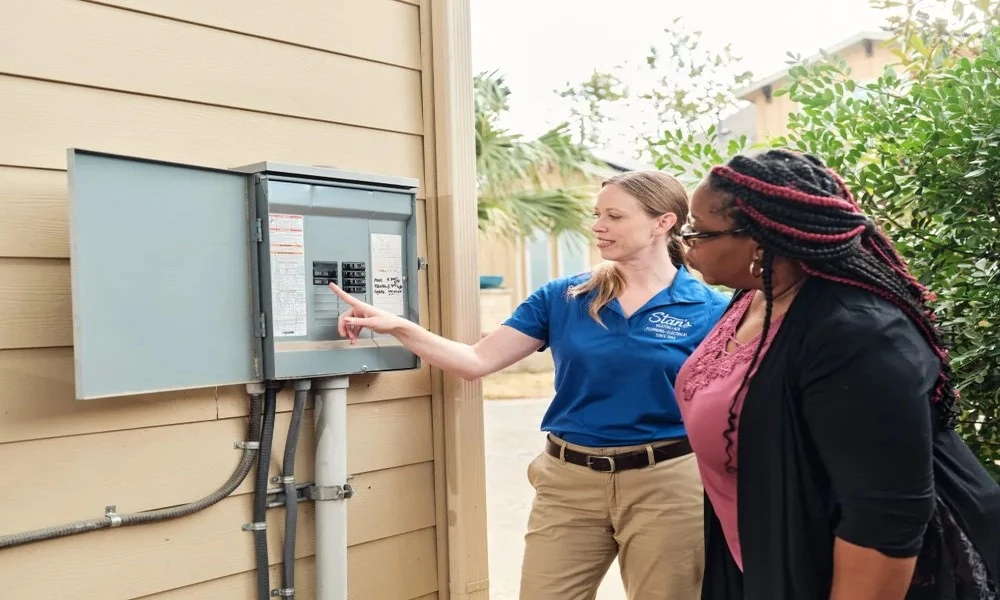
Building a casita has become one of the most popular home improvement projects for Austin, Texas homeowners. Whether it’s designed for aging parents, adult children, rental income, a home office, or guest accommodations, a well-built casita can significantly increase both the functionality and value of a property.
However, one of the most overlooked aspects of planning a casita is whether your home’s electrical system can safely support the additional demand. Many homeowners focus on floor plans, finishes, and permits while assuming the existing electrical panel will be sufficient. In reality, adding another living space often changes the electrical requirements of the entire property.
This is where professional electrical panel upgrade services become valuable. Before construction begins, an experienced electrician can evaluate your existing electrical system, calculate future demand, and recommend upgrades that help protect your investment while preparing your property for years of future growth.
Why Electrical Planning Should Come Before Construction
A casita functions much like a second home. Even a modest guest house typically includes:
- Heating and cooling equipment
- Interior and exterior lighting
- Bathroom circuits
- Kitchen appliances
- Dedicated receptacle circuits
- Smoke and carbon monoxide detectors
- Water heater
- Internet and smart home equipment
All of these systems place additional demand on your home’s electrical service.
Waiting until the project is nearly complete to discover your electrical panel is undersized can delay inspections, increase costs, and require modifications that could have been avoided during the design stage.
Professional planning allows homeowners to coordinate electricians, builders, HVAC contractors, and plumbers before construction begins.
Understanding 100-Amp vs. 200-Amp Electrical Service
One of the first questions electricians ask is:
How large is your existing electrical service?
Many older Austin, Texas homes still operate with a 100-amp service. While this was sufficient decades ago, today’s homes use considerably more electricity.
A typical 100-amp service may already be powering:
- Central air conditioning
- Electric dryer
- Dishwasher
- Disposal
- Microwave
- Refrigerator
- Lighting
- Garage outlets
- Home office equipment
- Television and entertainment systems
Adding an entire casita can push the electrical demand beyond what the service was originally designed to handle.
When 100 Amps May No Longer Be Enough
If your property already includes:
- Electric cooking appliances
- Multiple refrigerators
- Pool equipment
- Workshop tools
- Outdoor lighting
- Electric water heater
there may be very little remaining capacity for a detached living space.
Instead of continually managing overloaded circuits, many homeowners choose to upgrade to a 200-amp electrical service.
Advantages of a 200-Amp Service
A 200-amp service provides significantly more flexibility for modern lifestyles.
Benefits include:
- Additional breaker space
- Higher electrical capacity
- Improved reliability
- Better support for future renovations
- Increased home value
- Easier installation of new appliances
- Better compatibility with modern electrical codes
For many Austin, Texas homeowners planning a long-term investment, upgrading the electrical service during casita construction is often more economical than performing the work later.
Why Load Calculations Matter
Electrical systems should never be sized based on estimates or assumptions.
Licensed electricians perform formal load calculations that determine the expected electrical demand for the property.
These calculations evaluate factors including:
- Square footage
- Lighting requirements
- Small appliance circuits
- HVAC systems
- Water heating
- Cooking equipment
- Laundry equipment
- Existing electrical loads
- Future planned additions
Rather than simply installing a larger panel “just in case,” load calculations ensure the electrical system is properly engineered for both current and anticipated usage.
This planning helps reduce unnecessary costs while maintaining safety and code compliance.
Additional HVAC Loads
Every conditioned living space requires heating and cooling.
Whether the casita uses:
- Mini-split systems
- Heat pumps
- Traditional central HVAC
each option introduces additional electrical demand.
Mini-split systems are especially popular for detached casitas because they provide excellent efficiency and independent temperature control.
However, they still require dedicated circuits and must be considered during load calculations.
If the main residence already has two HVAC systems, adding a third may be another reason a panel upgrade becomes necessary.
Water Heaters Add Significant Demand
Many homeowners underestimate how much electricity a water heater consumes.
Electric water heaters commonly require:
- Dedicated 240-volt circuits
- High amperage breakers
- Heavy-gauge wiring
If the casita has its own bathroom and kitchen, it will likely require its own water heater unless connected to the home’s plumbing system.
Tankless electric water heaters often require even larger electrical capacity than traditional storage tank models.
Planning for these loads early prevents costly surprises later in the project.
Kitchen Appliances Require Dedicated Circuits
Even a compact casita kitchen can include:
- Refrigerator
- Microwave
- Dishwasher
- Garbage disposal
- Cooktop
- Oven
- Vent hood
- Countertop outlets
Modern electrical codes require several dedicated kitchen circuits to safely power these appliances.
The days of placing multiple kitchen devices on a single breaker are long gone.
Each dedicated circuit helps improve safety while reducing nuisance breaker trips.
If the existing electrical panel has very little remaining breaker space, adding these circuits may require either:
- A subpanel
- Or a complete service upgrade
Laundry Areas Need Their Own Electrical Planning
Many accessory dwelling units now include private laundry facilities.
A typical laundry room may require:
- 240-volt dryer circuit
- Washing machine circuit
- Lighting
- GFCI protection
- Convenience outlets
These circuits increase overall electrical demand while requiring adequate space inside the electrical panel.
Although a laundry area occupies relatively little square footage, its electrical requirements are surprisingly significant.
Should You Install a Subpanel?
Many homeowners ask whether a subpanel is sufficient instead of replacing the main service.
The answer depends on the available electrical capacity.
A subpanel works well when:
- The main service has enough overall capacity
- Only additional breaker space is needed
- The feeder conductors are properly sized
- Future expansion has been considered
A subpanel offers several advantages.
It can:
- Organize circuits
- Simplify future maintenance
- Reduce long wiring runs
- Make troubleshooting easier
- Provide convenient disconnecting means for detached structures
However, a subpanel does not increase the electrical capacity of your property.
If the main service is already near its limit, simply adding another panel will not solve the problem.
Planning for a Future EV Charger
Electric vehicles continue becoming more common throughout Central Texas.
Even if your household does not currently own one, many homeowners prefer preparing for future installation while construction is underway.
Level 2 EV chargers typically require:
- 240-volt dedicated circuits
- Large breaker capacity
- Heavy wiring
Installing conduit or reserving breaker space during a casita project often costs far less than retrofitting the system years later.
Forward-thinking electrical planning protects homeowners from future renovation expenses.
Whole-Property Electrical Planning Makes the Difference
The best electrical projects don’t simply meet today’s needs-they prepare for tomorrow.
Instead of viewing the casita as an isolated project, experienced electricians evaluate the property as a complete electrical system.
This includes considering:
- Future workshop additions
- Outdoor kitchens
- Hot tubs
- Swimming pools
- Landscape lighting
- Home office expansion
- Solar compatibility
- Battery backup systems
- Whole-home surge protection
- Standby generators
Planning everything together reduces future labor costs while creating a more flexible electrical infrastructure.
Is This a Good DIY Project?
Many homeowners enjoy completing home improvement projects themselves. Painting, flooring, landscaping, shelving, and trim work are often well within the abilities of an experienced do-it-yourself enthusiast.
Electrical service upgrades, however, are an entirely different category.
Projects involving:
- Electrical panel replacement
- Service entrance equipment
- Meter connections
- Load calculations
- Subpanel installation
- Detached structure feeders
- Grounding systems
- Electrical permits
should generally be left to qualified professionals.
These projects require extensive knowledge of the National Electrical Code, local Austin permitting requirements, utility coordination, and safe installation practices.
Mistakes may not become obvious immediately. Improper conductor sizing, overloaded circuits, inadequate grounding, or incorrect breaker selection can create hidden hazards that may not appear until months or years later.
In addition, improperly installed electrical work can complicate home inspections, insurance claims, and future property sales.
For these reasons, projects involving electrical service upgrades are best handled by Texas licensed electricians that Austin homeowners trust for safe, code-compliant installations.
Why Professional Electrical Inspections Matter
Before investing thousands of dollars into a new casita, it’s wise to understand exactly what your existing electrical system can support.
Professional electrical safety inspection services help identify:
- Aging electrical panels
- Overloaded circuits
- Improper grounding
- Outdated wiring
- Insufficient service capacity
- Code compliance concerns
- Opportunities for future expansion
Rather than reacting to problems during construction, homeowners can make informed decisions before the first foundation is poured.
Final Thoughts
A casita can provide additional living space, increase property value, and create new opportunities for multigenerational living or rental income. But every successful project starts with a strong electrical foundation.
Whether your home currently has a 100-amp service or already operates with a 200-amp panel, the only reliable way to determine the right solution is through proper load calculations and a comprehensive evaluation of the property’s electrical system.
Investing in professional electrical panel upgrade services before construction begins helps ensure your casita has the power it needs today while leaving room for tomorrow’s upgrades. From HVAC systems and water heaters to kitchen appliances, laundry circuits, EV charging, and future additions, thoughtful whole-property electrical planning can save time, reduce costs, and provide lasting peace of mind.
If you’re planning to build a casita in Austin, partnering with experienced Texas licensed electricians ensures your project is designed for safety, efficiency, and long-term reliability from the very beginning.
