
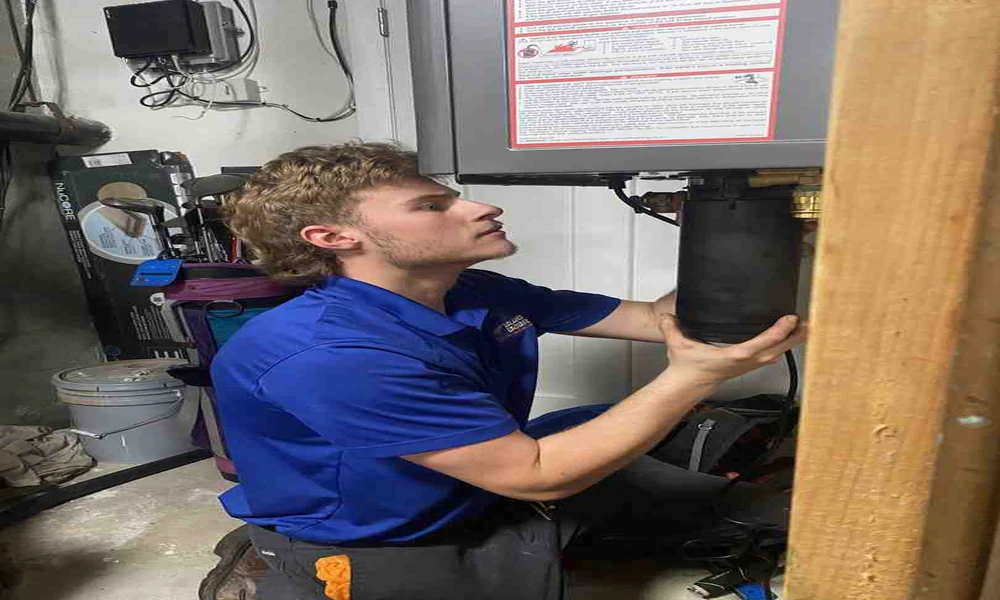
Ensuring Home Comfort with Reliable Plumbing and HVAC SolutionsThe Role of Reliable Plumbing and HVAC Systems in Modern Homes
In modern homes, the plumbing and HVAC (Heating, Ventilation, and Air Conditioning) systems are the unsung heroes of comfort, health, and efficiency. They work in concert to deliver a consistent indoor climate, clean air, and, crucially, a reliable supply of hot water. When these systems function optimally, they contribute significantly to a home’s overall value and the well-being of its occupants. Conversely, neglect or malfunction can lead to discomfort, increased utility bills, and potentially costly repairs. Understanding the intricate relationship between these systems and prioritizing their maintenance is key to ensuring a harmonious and efficient living environment.
Why Homeowners Prioritize Reliable Plumbing and HVAC Systems
For homeowners in Natick, MA, and beyond, the reliability of their plumbing and HVAC systems isn’t just about convenience; it’s about fundamental living standards. A well-maintained system ensures consistent warmth during chilly New England winters and cool relief during summer, alongside an uninterrupted flow of hot water for daily needs. This system reliability translates directly into peace of mind, knowing that essential home functions will perform as expected.
Beyond immediate comfort, preventative care for these systems offers substantial long-term benefits. Regular maintenance helps to identify minor issues before they escalate into major, expensive problems, safeguarding the home’s value. Moreover, efficient systems contribute to utility conservation, significantly reducing monthly energy expenditures. For instance, tankless water heaters, a popular choice for their efficiency, can save households hundreds of dollars annually due to a remarkable 27-50% increase in energy efficiency compared to standard models. This energy-saving potential, coupled with their impressive service life of up to two decades with proper maintenance, makes them an attractive option for homeowners focused on both comfort and financial prudence.
Integrating Plumbing and Heating for Optimal Performance
The synergy between plumbing and heating systems is particularly evident in how hot water is delivered and utilized throughout a home. While a tankless water heater focuses on on-demand hot water, the broader heating system-which might include boiler systems, radiant heating, or forced-air furnaces-ensures ambient warmth. Effective integration means that your water heating solution complements your overall home heating strategy, leading to a more efficient and comfortable living space.
For example, a well-designed plumbing system ensures that hot water from a tankless unit reaches fixtures quickly and at the desired temperature. In homes with radiant heating, the plumbing infrastructure delivers heated water through floors or walls, providing consistent warmth that is often more energy-efficient than traditional forced-air systems. Proper home zoning, which allows different areas of a house to be heated independently, further enhances this efficiency, ensuring that energy is not wasted heating unoccupied spaces. The U.S. Department of Energy highlights that on-demand heating from tankless water heaters can lead to up to 34% more energy efficiency, underscoring the benefits of modern, integrated solutions. This holistic approach to home comfort ensures that residents enjoy not only abundant hot water but also a consistently warm and energy-efficient home environment.
Maintaining High-Efficiency Water Heating Systems
High-efficiency water heating systems, particularly tankless technology, represent a significant advancement in home comfort and energy conservation. Unlike traditional tank-style heaters that continuously heat and store water, tankless units heat water only when it’s needed, providing an endless supply of hot water while minimizing energy waste. This on-demand approach not only reduces utility bills but also extends the system’s lifespan. However, to truly maximize the benefits and achieve system longevity, these sophisticated units require specific and consistent maintenance.
Neglecting maintenance can lead to various issues, from reduced efficiency to premature breakdown, undermining the very advantages that make tankless heaters so appealing. For homeowners in Natick, MA, understanding the critical role of maintenance is paramount to enjoying uninterrupted hot water and avoiding unexpected repair costs. When issues do arise, finding Reliable Natick tankless repair services is crucial to restore your system’s performance and efficiency.
Maximizing the Lifespan of Tankless Water Heaters
The impressive service life of up to two decades for tankless water heaters, which effectively doubles the average lifespan of traditional models, is largely contingent upon diligent maintenance. The most critical aspect of this maintenance is regular flushing to prevent mineral buildup. Natick, MA, like many areas, can have water with varying mineral content, which, over time, can accumulate inside the heat exchanger of a tankless unit. This scale prevention is vital because mineral deposits can restrict water flow, reduce heating efficiency, and eventually cause components to fail. Annual flushing, typically performed by a professional, uses a descaling solution to dissolve and remove these deposits, restoring the unit’s efficiency.
Beyond flushing, a comprehensive maintenance routine often includes checking and cleaning the air filter, inspecting the igniter or heating elements, and ensuring all connections are secure and free of leaks. Installing a water filtration system can also significantly reduce the mineral content entering the tankless unit, further prolonging its life and reducing the frequency of descaling needs. Furthermore, adhering to the manufacturer’s recommended maintenance schedule is often a condition for warranty protection. Neglecting routine service could void your warranty, leaving you responsible for the full cost of repairs that would otherwise be covered. Proactive maintenance not only extends the life of your investment but also ensures it operates at peak efficiency, keeping your energy bills in check.
Key Indicators Your Home Comfort Systems Need Professional Attention
Even the most advanced and well-maintained home comfort systems, including high-efficiency tankless water heaters, can eventually encounter issues. Recognizing the warning signs early is crucial for preventing minor problems from escalating into major, costly repairs or even premature replacement. For homeowners in Natick, MA, being attuned to these system diagnostics can save both money and significant inconvenience. While some minor issues might be amenable to DIY troubleshooting steps, many indicators signal a need for professional intervention.
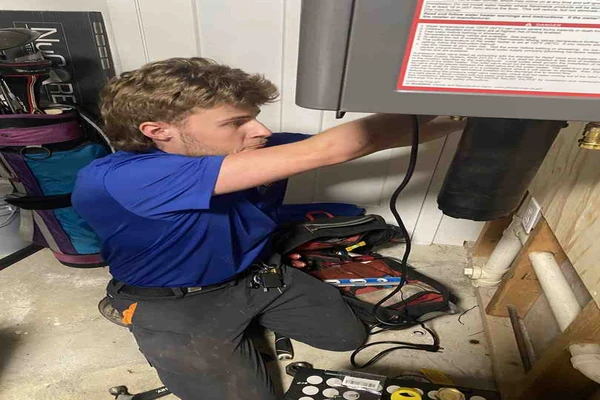
It’s important to differentiate between a temporary glitch and a persistent problem. A brief interruption in hot water might be due to an overloaded circuit, but continuous cold showers point to a deeper issue. Similarly, a faint hum from your tankless unit is normal, but loud banging or grinding noises are clear indicators of trouble. Understanding these signals empowers homeowners to act promptly, ensuring their systems receive the necessary attention before performance significantly degrades.
Common Symptoms of Water Heater Decline
Several key indicators suggest your tankless water heater may require repair. Being vigilant about these signs can help you address problems efficiently:
- Inconsistent Temperatures: One of the most common complaints is a fluctuating water temperature, where hot water suddenly turns cold, or the temperature varies wildly. This can indicate issues with the flow sensor, heating element, or even mineral buildup affecting the unit’s ability to maintain a consistent temperature.
- Unusual Noises: Tankless water heaters are generally quiet. If you start hearing banging, popping, rumbling, or gurgling sounds, it often points to sediment accumulation within the heat exchanger. These deposits can cause overheating and stress on components, leading to reduced efficiency and potential damage.
- Water Pooling: Any visible water pooling around the unit or water stains on nearby surfaces is a serious red flag. While tankless heaters are less prone to catastrophic leaks than tank models, leaks can occur from connections, internal components, or pressure relief valves. Ignoring a leak can lead to significant water damage and mold growth.
- Discolored Water: If the hot water coming from your faucets appears rusty, brown, or otherwise discolored, it could indicate corrosion within the unit’s internal components. While less common in tankless units than in older tank models, it’s a sign that professional inspection is warranted.
- Reduced Flow Rate: If your hot water pressure has decreased, or if the unit struggles to provide enough hot water for multiple fixtures simultaneously, it could be a sign of mineral buildup restricting water flow or a failing component.
- Error Codes: Most modern tankless water heaters feature a digital display that shows error codes when a problem is detected. Consulting your owner’s manual for these codes can provide immediate insight into the nature of the issue.
When should replacement be considered? While tankless water heaters boast a long lifespan of up to two decades with proper maintenance, constant repairs, especially if the unit is approaching its 15-20 year mark, may signal that replacement is the more economical option. If your water heater is over 10 years old, constantly requires repairs, or you’re experiencing inconsistent water temperature, it may be time for a water heater replacement. The cost of replacing a water heater can range from $1,500 to $8,000, depending on the unit type, tank size, and location, making the decision to repair or replace a significant one.
Here’s a quick comparison between tankless and traditional water heaters:
Feature Tankless Water Heater Traditional Water Heater Hot Water Supply Endless, on-demand Limited by tank size, can run out Energy Efficiency High (27-50% more efficient) Lower, continuous heating of stored water Lifespan 15-20+ years with maintenance 8-12 years Space Requirement Compact, wall-mounted (approx. half the size) Large, floor-standing tank Installation Cost Higher upfront Lower upfront Operating Cost Lower due to on-demand heating Higher due to standby heat loss Risk of Leaks Lower (no large tank of stored water) Higher (tank corrosion over time) Maintenance Needs Regular descaling/flushing is crucial Anode rod replacement, occasional flushing Environmental Impact Lower carbon footprint Higher energy consumption Frequently Asked Questions About Home Utility Maintenance
For homeowners in Natick, MA, navigating the complexities of home utility maintenance, especially for specialized equipment like tankless water heaters, often brings a host of questions. From finding the right professional to understanding the benefits of certain technologies, informed decisions are key to ensuring system longevity and efficiency. This section aims to address some of the most common inquiries, providing valuable insights into maintaining a comfortable and energy-efficient home.
How do I choose a provider for reliable plumbing and HVAC?
Choosing a qualified professional for tankless water heater repair or any plumbing and HVAC service in Natick, MA, is paramount. The first step is to verify licensing requirements and ensure the professional holds the necessary certifications. In Massachusetts, permits are required to install a water heater, and only licensed plumbers or gas fitters can obtain these permits. This ensures that the work adheres to local codes and safety standards.
Beyond licensing, look for providers with comprehensive insurance coverage. This protects you from liability in case of accidents or damage during the service. Local expertise is also a significant advantage; professionals familiar with Natick’s specific building codes, water quality, and climate challenges can offer more tailored and effective solutions. Finally, inquire about service guarantees and warranties on both parts and labor. Reputable companies stand behind their work, offering peace of mind and demonstrating confidence in their services. While the average cost of water heater repair in Natick, MA ranges from $100 to $1,700, “affordable” doesn’t always mean the lowest price; it means value for money, quality work, and long-term reliability.
What are the primary benefits of upgrading to a tankless water heater?
Upgrading to a tankless water heater offers numerous advantages for Natick, MA residents, making it a compelling choice for those seeking enhanced comfort and efficiency:
- Space Savings: Tankless water heaters are approximately half the size of traditional models and are typically wall-mounted. This compact design frees up valuable floor space, which can be particularly beneficial in smaller homes or utility closets.
- Endless Hot Water: One of the most celebrated benefits is the continuous supply of hot water. Unlike tank-style heaters that can run out of hot water after heavy use, tankless units heat water on demand, ensuring you never run out, even during peak usage times.
- Energy Efficiency: Tankless water heaters are significantly more energy-efficient, saving households hundreds of dollars every year due to a 27-50% increase in energy efficiency compared to standard models. They only consume energy when hot water is being used, eliminating the standby heat loss associated with traditional tanks.
- Lower Utility Bills: The enhanced energy efficiency directly translates to lower monthly utility bills. As electricity and gas prices continue to rise, these cost savings from tankless water heaters add up over time, providing a substantial return on investment.
- Longer Lifespan: With proper maintenance, tankless water heaters boast an impressive service life of up to two decades, doubling the average lifespan of traditional water heaters. This longevity further contributes to their long-term value.
These benefits collectively make tankless water heaters a smart, sustainable, and comfortable choice for modern homes.
How does hard water affect home plumbing systems?
Hard water, characterized by a high concentration of dissolved minerals like calcium and magnesium, can significantly impact home plumbing systems, especially tankless water heaters. In Natick, MA, where water hardness can vary, understanding these effects is crucial for proactive maintenance:
- Mineral Scale Buildup: As hard water is heated, these minerals precipitate out and form scale deposits. In tankless water heaters, this scale can accumulate rapidly within the heat exchanger, which is critical for heating water. This buildup acts as an insulator, reducing the unit’s efficiency and forcing it to work harder, leading to higher energy consumption and increased wear and tear.
- Pipe Corrosion: While less direct, hard water can also contribute to corrosion in pipes and fixtures over time, as mineral deposits can create localized environments where corrosion is more likely to occur.
- Appliance Efficiency Reduction: Beyond the water heater, mineral scale can affect other water-using appliances like dishwashers, washing machines, and coffee makers, reducing their efficiency and shortening their lifespan.
- Reduced Water Flow: Significant sediment buildup in tankless units can restrict water flow, leading to diminished hot water pressure and the unit struggling to meet demand. This is often a precursor to error codes and system shutdowns.
To mitigate the effects of hard water, regular maintenance, particularly annual flushing with a descaling solution for tankless water heaters, is essential. Installing a whole-house water softener or a dedicated water filter for the tankless unit can also be a highly effective long-term solution, protecting your plumbing infrastructure and ensuring the optimal performance and longevity of your water heating system.
Conclusion
Ensuring the longevity and efficiency of your home’s tankless water heater in Natick, MA, is a commitment to continuous comfort and smart energy management. By understanding the common signs of repair, prioritizing preventative maintenance, and knowing when to seek professional help, homeowners can safeguard their investment and enjoy an uninterrupted supply of hot water. Proactive maintenance, such as annual flushing and addressing hard water concerns, is not just about fixing problems; it’s about maximizing the lifespan of your unit and keeping energy costs in check.
When issues arise, choosing licensed, insured, and locally experienced professionals for Reliable Natick tankless repair ensures that your system receives the expert care it needs. This approach not only resolves immediate concerns but also contributes to the overall health and efficiency of your home’s entire plumbing and HVAC infrastructure. By embracing a proactive stance on home comfort and system efficiency, you secure long-term performance and peace of mind for years to come.
