
The Heart of Eco-Friendly Home Improvement: Upgrading Your Electrical System
At the core of every modern, sustainable home lies a robust and efficient electrical panel. This unassuming box is, in essence, the brain of your home’s electrical system, acting as the critical interface between the incoming power from the utility grid and the various circuits that distribute electricity throughout your home. Its primary function is to safely manage and distribute power, while also safeguarding against electrical hazards through circuit breakers that automatically trip to prevent overloads and short circuits.
Upgrading your electrical system is a foundational step in any eco-friendly home improvement journey. It’s about more than just keeping the lights on; it’s about ensuring your home can safely and efficiently power the technologies that reduce your carbon footprint and enhance your quality of life. From high-efficiency heat pumps to electric vehicle chargers, modern sustainable living demands an electrical infrastructure capable of handling increased and specialized loads.
An essential aspect of a modern electrical panel is its ability to facilitate effective load management. This involves intelligently distributing power to prevent system overloads and optimize energy usage. The National Electric Code (NEC) provides guidelines for minimum capacities, with many homes now needing at least 200 amps to comfortably support contemporary electrical demands.
To illustrate the evolution and benefits, let’s consider the comparison between traditional electrical panels and their smarter, more advanced counterparts:
Feature Traditional Electrical Panel Smart Electrical Panel Circuit Protection Basic circuit breakers, fuses (older) Advanced circuit breakers (AFCI, GFCI), digital protection Capacity Often limited (e.g., 60A, 100A) Higher capacity (200A, 400A), expandable Energy Monitoring None Real-time usage data, historical trends Control & Automation Manual breaker resets Remote control via app, automated load shedding Integration Standalone Integrates with solar, EV chargers, battery storage, smart home systems Efficiency Basic power distribution Optimized energy flow, demand management Future Readiness Limited for new technologies Designed for electrification and smart grid Smart electrical panels, for instance, go beyond simple power distribution. They offer integrated monitoring capabilities, allowing homeowners to track energy consumption in real-time. This empowers you to make informed decisions about energy use, identify inefficiencies, and even manage specific circuits remotely. This level of control is invaluable for optimizing energy use, especially when integrating renewable energy sources like solar panels or managing the charging schedule of an electric vehicle. These advancements are crucial for a home that is not only safe and efficient today but also ready for the sustainable technologies of tomorrow.
Experiencing frequent power outages? Identifying the need for a modern electrical hub in Santa Rosa
If your home’s electrical system feels less like a reliable workhorse and more like a temperamental beast, it might be signaling an urgent need for an upgrade. Ignoring these signs can lead to more than just inconvenience; it can pose serious safety risks, including electrical fires and shocks. Recognizing the indicators of an outdated or failing electrical panel is the first step toward a safer, more efficient home.
One of the most common and frustrating signs is flickering or dimming lights, especially when major appliances like your air conditioner or microwave kick on. This often indicates that your electrical system is struggling to meet the demand, suggesting insufficient amperage capacity. Similarly, frequent tripping of circuit breakers is a clear red flag. While breakers are designed to trip to prevent overloads, if this happens regularly without a clear cause, your panel may be consistently overloaded or nearing the end of its operational life.
The age of your panel is another critical factor. Electrical panels typically have a lifespan of 20 to 40 years. If your home was built several decades ago and still has its original panel, it’s highly likely to be outdated. Older homes, particularly those built before 1965, often have 60-amp service, which is woefully inadequate for today’s power-hungry devices and appliances. Modern homes, or those that have been recently updated, generally require 100-amp or 200-amp service to handle typical household loads. If you have a fuse box instead of a circuit breaker panel, it’s definitely time for an upgrade, as circuit breakers offer superior safety and convenience.
Beyond performance issues, physical damage to the panel itself demands immediate attention. Look for visible signs of rust or corrosion, which can indicate moisture intrusion and compromise the panel’s integrity. Scorching, burn marks, or a burning odor emanating from the panel are extremely serious warnings of overheating and potential fire hazards. If the panel feels warm to the touch, it’s a sign of excessive heat buildup, indicating a dangerous condition. Any of these physical indicators warrant an immediate call to a qualified electrician.
Finally, overloaded circuits are a silent but dangerous problem. This occurs when too many devices are drawing power from a single circuit, pushing it beyond its safe capacity. While a breaker should trip in this scenario, persistent overloading can degrade wiring and increase fire risk. An insufficient main amperage capacity means your entire home’s electrical system is under stress, limiting your ability to add new appliances or embrace modern electrification technologies. Addressing these issues proactively ensures your home’s electrical system can support your family’s needs safely and reliably.
Who specializes in sustainable electrical panel solutions for California homeowners?
When it comes to upgrading or installing a new electrical panel, the decision to hire a licensed professional is not merely a recommendation-it’s a critical safety imperative. Electrical work, especially involving the main service panel, carries significant risks of electrocution, fire, and extensive property damage if not handled correctly. For homeowners in California seeking to enhance their home’s electrical infrastructure with sustainable electrical panel solutions, partnering with a qualified and reputable licensed electrician is paramount.
A licensed electrician possesses the specialized knowledge and training required to safely navigate complex electrical systems. They understand the intricacies of power distribution, load calculations, and the precise safety protocols necessary to perform such high-stakes work. Their expertise ensures that the installation is not only functional but also adheres strictly to all local building codes and the National Electric Code (NEC), which are designed to protect occupants and property.
One of the first steps a professional electrician will undertake is a comprehensive load assessment. This involves evaluating your home’s current and projected electrical demands, considering everything from existing appliances to future additions like electric vehicle chargers, solar panels, or high-efficiency heat pumps. This assessment is crucial for determining the correct panel size and capacity, ensuring your new system can comfortably handle your needs without risking overloads.
The installation process itself involves numerous critical steps that demand professional precision. This includes safely shutting off power to your entire home, often coordinating with the utility company for a temporary service disconnection. Proper grounding and bonding are fundamental safety measures that prevent electrical shock and ensure the system functions correctly in the event of a fault. A licensed electrician will meticulously connect all wiring, install new circuit breakers, and ensure every component is securely and correctly in place.
Furthermore, a professional will handle all necessary permit requirements. Electrical panel upgrades almost always require permits from local authorities. A licensed electrician is familiar with this process, ensuring all paperwork is filed correctly and that the work passes required inspections. Attempting this without permits can lead to fines, insurance issues, and the need for costly re-work down the line.
In some cases, an electrical panel upgrade may reveal the need for additional related work. For instance, if your home has very old wiring that cannot safely handle the increased load of a new, higher-amperage panel, a professional might recommend whole-home rewiring. While a more extensive project, this ensures the entire electrical system is brought up to modern safety standards. Similarly, if your home’s electrical service lines run underground and are outdated, trenching may be necessary to replace these lines, ensuring a reliable and safe connection to the grid. These are complex tasks that underscore the value of professional expertise. By entrusting your electrical panel installation to a licensed professional, you gain peace of mind, knowing that your home’s electrical heart is safe, reliable, and expertly prepared for a sustainable future.
Future-Proofing with Smart Technology and Renewable Integration
In an era defined by technological advancement and a growing commitment to sustainability, our homes are becoming increasingly interconnected and energy-conscious. Upgrading your electrical panel is no longer just about fixing a problem; it’s about future-proofing your home to seamlessly integrate with cutting-edge technologies and renewable energy sources. This strategic investment positions your home at the forefront of modern, eco-friendly living.
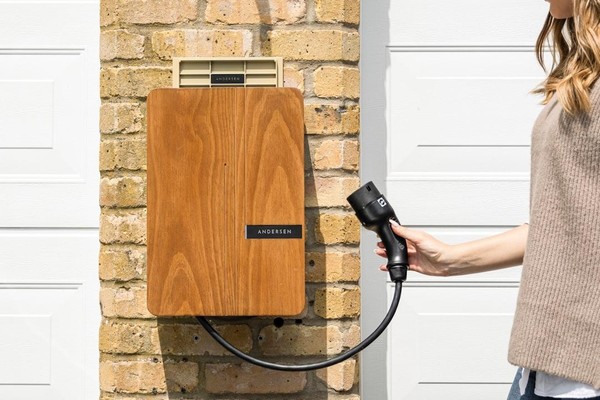
One of the most significant drivers for panel upgrades today is the widespread adoption of electric vehicle (EV) chargers. EVs require substantial power, and a dedicated 240-volt circuit is essential for efficient charging. An older, lower-amperage panel simply won’t have the capacity or available space for such a high-demand appliance, making an upgrade a prerequisite for convenient home EV charging.
Similarly, the transition to solar energy systems and battery storage solutions fundamentally changes a home’s electrical dynamics. A modern electrical panel is designed to manage the bidirectional flow of electricity-from the grid to your home, and from your solar panels back to the grid or into a home battery. It facilitates net metering, ensures safe operation during power outages (when paired with battery storage), and optimizes the use of self-generated clean energy.
Beyond transportation and power generation, other electrification trends also necessitate a robust electrical panel. Heat pumps, for instance, are highly efficient heating and cooling systems that run entirely on electricity. Upgrading from a traditional fossil-fuel-based system to a heat pump often requires additional electrical capacity. Likewise, induction cooking appliances, known for their speed and energy efficiency, typically demand more power than conventional electric or gas stoves. A modern panel ensures your home can accommodate these high-performance, energy-saving technologies.
The advent of smart panels takes future-proofing a step further. These advanced systems offer real-time monitoring of energy usage, allowing homeowners to see precisely where and when electricity is being consumed. This granular data empowers informed decisions for energy optimization. Smart panels can also perform load shedding, intelligently prioritizing power distribution to critical appliances during peak demand or when operating on battery backup. Some even integrate with home automation systems, offering remote control over circuits and automatic switching between grid power, solar, and battery storage. This level of intelligent energy management is crucial for maximizing efficiency and resilience.
Moreover, investing in an electrical panel upgrade that supports these sustainable technologies can yield financial benefits. Government initiatives, such as the Energy Efficient Home Improvement Credit, often provide tax credits for qualifying electrical system upgrades that enable the installation of new energy-efficient equipment. This makes the transition to a more sustainable, future-ready home not only environmentally responsible but also economically advantageous. By embracing these advancements, we are not just upgrading a piece of equipment; we are investing in a healthier planet and a more resilient, efficient home.
Frequently Asked Questions about Eco-Friendly Home Improvement
As homeowners increasingly look to make their properties more sustainable and energy-efficient, questions often arise about the central role of the electrical panel. We’ve compiled some of the most common inquiries to help you navigate your eco-friendly home improvement journey.
Can I install a new electrical panel myself as part of an Eco-Friendly Home Improvement project?
We strongly advise against attempting to install a new electrical panel as a do-it-yourself (DIY) project. The risks associated with working on a live electrical panel are immense and can be life-threatening. The primary dangers include electrocution, which can be fatal, and the high potential for causing electrical fires due to improper wiring or connections.
Beyond the immediate safety hazards, DIY electrical panel installation almost guarantees issues with code compliance. Electrical work is heavily regulated by local building codes and the National Electric Code (NEC) to ensure safety. Professionals are trained and certified to meet these stringent requirements. Without proper permits and inspections, a DIY installation could lead to significant problems during a home sale, invalidate your homeowner’s insurance coverage, or result in hefty fines and the need for costly professional re-work.
A licensed electrician brings invaluable professional expertise to the table, ensuring that the installation is not only safe and functional but also correctly sized for your home’s current and future electrical demands. They handle the complex process of permit acquisition and coordinate necessary inspections, providing peace of mind that the job is done right and legally. For such a critical component of your home’s safety and functionality, professional installation is the only responsible choice.
How does a panel upgrade support Eco-Friendly Home Improvement in California?
An electrical panel upgrade is a foundational step in achieving a truly eco-friendly home, especially in a forward-thinking state like California. It acts as an enabler for various sustainable technologies and practices.
Firstly, it facilitates renewable integration. A modern panel is essential for safely and efficiently connecting solar panels, wind turbines, or other renewable energy sources to your home’s electrical system, allowing you to generate and utilize clean energy. It also supports battery storage systems, which are crucial for maximizing renewable energy use and providing resilience during grid outages.
Secondly, it significantly improves energy efficiency. A new panel can handle the increased electrical demands of high-efficiency appliances like heat pumps for HVAC, induction cooktops, and electric vehicle chargers without strain. This allows these energy-saving devices to operate optimally, reducing overall energy consumption and your carbon footprint.
Thirdly, it offers future-proofing. As technology evolves, more electrical devices and systems will emerge. A higher-capacity, modern panel ensures your home is ready for these advancements, preventing the need for another costly upgrade in the near future. It also contributes to grid stability by supporting smart energy management features that can interact with the broader electrical grid.
Finally, an upgraded panel is vital for the transition to all-electric homes, a key goal for reducing greenhouse gas emissions. By providing the necessary infrastructure, it removes a major barrier to adopting electric alternatives for heating, cooking, and transportation, making your home a truly sustainable living space.
What is the typical lifespan of a residential electrical panel?
The typical lifespan of a residential electrical panel is generally between 20 to 40 years. However, several factors can influence how long your panel remains safe, efficient, and capable of meeting your home’s electrical needs.
Regular maintenance by a qualified electrician can certainly extend a panel’s life, as it ensures connections are tight, components are functioning correctly, and any minor issues are addressed before they escalate. Environmental factors also play a role; panels exposed to excessive moisture, extreme temperatures, or corrosive elements (like salt air in coastal regions) may degrade faster.
Perhaps more critically, technological obsolescence can effectively shorten a panel’s useful life, even if it’s still technically “working.” An older panel, say one installed 30 years ago, might still be operational but lacks the capacity and features required for today’s homes. It may not have enough amperage for modern appliances, or enough space for new circuits needed for EV chargers or solar systems. It also won’t have modern safety features like Arc Fault Circuit Interrupters (AFCI) or Ground Fault Circuit Interrupters (GFCI) that are now standard.
Changing safety standards are another consideration. While an older panel might have met codes at the time of installation, current safety standards are much more rigorous. Panels from certain manufacturers, like Federal Pacific Electric (FPE) or Zinsco, are known to have inherent design flaws that make them prone to failure and fire hazards, warranting replacement regardless of their age. While a panel might physically last for decades, its functional lifespan for a modern, safe, and efficient home can be much shorter.
Conclusion
Investing in a new electrical panel is more than just a home repair; it’s a strategic investment in a sustainable future for your household. It lays the groundwork for a home that is not only safer and more efficient but also fully equipped to embrace the rapidly evolving landscape of smart technologies and renewable energy. By upgrading your electrical system, you unlock numerous long-term benefits, including enhanced safety for your family, significant energy savings, and readiness for future innovations like EV chargers, solar power, and advanced home automation.
We understand that navigating these upgrades can seem complex, but with the right professional partnership, the process becomes straightforward and rewarding. By choosing licensed and experienced electricians, you ensure that your home’s electrical heart is installed to the highest standards of safety, efficiency, and code compliance. This proactive approach safeguards your property, increases its value, and empowers you to live a more sustainable and comfortable life. Embrace the future of home energy with confidence, knowing your electrical system is robust, intelligent, and ready for whatever comes next.
