
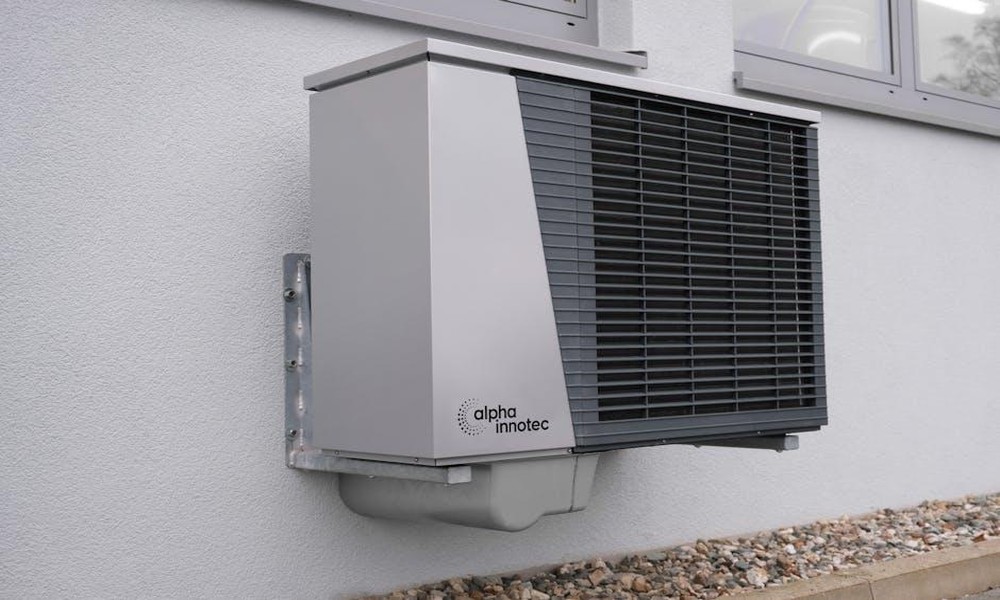
Understanding Modern HVAC Solutions for Year-Round Comfort
As homeowners, we constantly seek ways to enhance our living spaces, and often start by ensuring optimal comfort. In the Bay Area, where temperatures can fluctuate, an efficient HVAC system is paramount. Modern heat pumps offer a sophisticated solution, providing both heating and cooling from a single unit. Unlike traditional systems that generate heat through combustion, heat pumps transfer heat, making them remarkably efficient. This fundamental difference is key to their growing popularity.
The core principle behind a heat pump is the movement of thermal energy. During colder months, it extracts warmth from the outside air, even when temperatures are low, and transfers it inside your home. In warmer seasons, the process reverses: the system pulls heat from inside your home and expels it outdoors, effectively cooling your living space. This dual functionality is achieved through a refrigerant cycle, in which a specialized fluid absorbs and releases heat as it changes state between liquid and gas, driven by a compressor and regulated by an expansion valve. A crucial component, the reversing valve, allows the system to switch seamlessly between heating and cooling modes, offering year-round comfort with a single, integrated system.
How Heat Pumps Differ from Traditional Systems
The distinction between heat pumps and conventional HVAC systems lies in their operational philosophy. Traditional furnaces generate heat by burning fossil fuels like natural gas or propane, while electric resistance heaters convert electricity directly into heat. Both methods are effective but inherently less efficient than heat transfer. Air conditioners, on the other hand, only provide cooling by expelling heat.
Heat pumps, by contrast, don’t create heat; they move it from one place to another. This makes them incredibly energy-efficient. While a gas furnace might operate at 80-98% efficiency (meaning 80-98% of the fuel’s energy is converted to heat), a heat pump can achieve efficiencies of 300-400% or more, meaning for every unit of electricity consumed, it delivers three to four units of heating or cooling energy. This is because they are leveraging existing thermal energy rather than creating it from scratch.
This difference is particularly significant when considering the environmental impact. Gas furnaces release greenhouse gases through combustion, contributing to air pollution. Heat pumps, being all-electric, produce zero on-site emissions, making them a cleaner alternative, especially when powered by renewable energy sources.
Here’s a conceptual comparison:
The Role of Variable Speed Technology in Modern HVAC Solutions
Advancements in heat pump technology have introduced features such as variable-speed compressors and blowers, significantly enhancing performance and comfort. Unlike older, single-speed systems that operate at full capacity or off, variable-speed technology allows the compressor and fan to adjust their output precisely to meet the home’s heating or cooling demands.
This precise control offers several benefits:
These innovations make modern heat pumps a highly adaptable and comfortable solution for homeowners seeking superior climate control.
Why the Bay Area Climate is Ideal for Heat Pump Technology
The Bay Area’s unique climate, characterized by mild winters and warm summers that are rarely extreme, makes it an exceptionally suitable region for heat pump technology. Our temperate weather means there is almost always enough ambient air heat for a heat pump to extract efficiently, even on cooler days.
Heat pumps perform optimally in moderate climates because their efficiency decreases as the temperature difference between inside and outside widens. In areas with extremely cold winters, traditional heat pumps might struggle and rely more on supplemental heating. However, the Bay Area’s microclimates, while varied, generally avoid prolonged periods of deep freezing, allowing heat pumps to maintain high efficiency year-round. This reduces the frequency of defrost cycles, where the outdoor unit temporarily reverses to melt ice, further contributing to consistent performance and energy savings. The ability of heat pumps to efficiently provide both heating and cooling within this moderate range positions them as an ideal, energy-conserving solution for local homeowners.
Addressing the Need for Auxiliary Heat in Local Homes
While heat pumps are highly efficient in the Bay Area’s climate, understanding the role of auxiliary heat is important. Most heat pump systems include electric resistance heating elements, often called “auxiliary heat strips,” as a backup. These strips activate when the heat pump alone cannot meet the heating demand, typically during very cold mornings, during rapid temperature increases requested by the thermostat, or during a defrost cycle.
In the Bay Area, the need for auxiliary heat is generally minimal compared to colder regions. Our mild winters mean that heat pumps can efficiently extract heat from the outside air for most of the heating season. However, there might be occasional chilly nights or mornings where the auxiliary heat kicks in to provide supplemental warmth, ensuring your home reaches the desired temperature quickly and comfortably. Proper system sizing by a qualified professional is crucial to minimize reliance on auxiliary heat, as electric resistance heating is less efficient and more costly to operate than the heat pump’s primary function. An oversized system might short-cycle, while an undersized one might rely too heavily on auxiliary heat.
Environmental Benefits of Switching to Electric
The environmental advantages of switching to an all-electric heat pump system are substantial and align perfectly with California’s ambitious sustainability goals. By eliminating on-site combustion of fossil fuels, heat pumps drastically reduce a home’s carbon footprint and improve regional air quality.
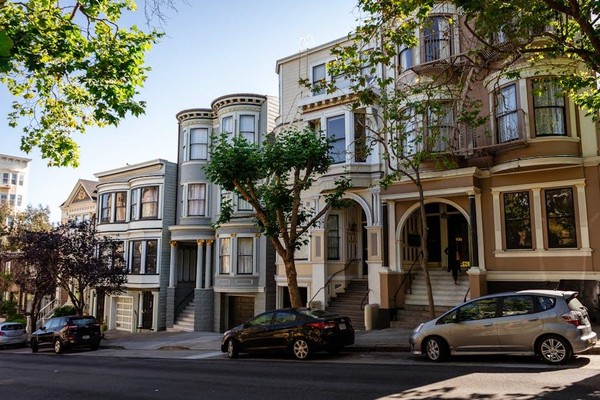
Choosing a heat pump is not just an upgrade for your home’s comfort; it’s a step toward a more sustainable, environmentally responsible future for our community.
Key Considerations for Selecting a New System
Choosing the right heat pump system for your Bay Area home involves several important factors to ensure optimal performance, efficiency, and comfort. It’s not a one-size-fits-all decision, and careful consideration will lead to the best long-term outcome.
Efficiency Ratings and Features
When evaluating heat pumps, two key efficiency ratings you’ll encounter are SEER and HSPF:
Beyond these ratings, consider features like:
Exploring Different System Configurations
Heat pumps come in various configurations, each suited to different home layouts and needs:
When making these choices, consult with professionals who can perform a thorough load calculation for your home. This process determines the precise heating and cooling capacity needed, preventing an oversized or undersized system, both of which can lead to inefficiency and discomfort. They will also assess the integrity of your existing ductwork, as leaky or poorly designed ducts can significantly undermine the performance of even the most efficient heat pump. For expert guidance on selecting and installing a Precision Bay Area modern heat pump, seeking professional advice is invaluable.
Aligning with California’s Electrification and Emission Goals
California is at the forefront of a statewide movement towards electrification and reducing greenhouse gas emissions, and the Bay Area is a key player in this transition. Heat pumps are central to these efforts, offering a cleaner, more sustainable alternative to fossil fuel-based heating and cooling systems.
Navigating Regulations and Incentives
Significant regulatory changes and financial incentives back the push for electrification:
Understanding and leveraging these incentives is crucial for homeowners considering a heat pump. The landscape of available rebates can be complex, so working with an HVAC professional who is knowledgeable about current programs can help maximize your savings.
Electrical System Upgrades
One important consideration when switching to an all-electric heat pump system is your home’s electrical infrastructure. Heat pumps operate entirely on electricity, and while they are highly efficient, they may require a dedicated circuit or even an electrical panel upgrade, especially in older homes.
A professional HVAC contractor will conduct a thorough assessment of your home’s electrical system as part of the installation process, advising you on any necessary upgrades to ensure your new heat pump operates safely and efficiently.
Professional Installation and Long-Term Maintenance
The performance and longevity of your heat pump system are heavily dependent on professional installation and diligent long-term maintenance.
Frequently Asked Questions about Modern HVAC Solutions
As homeowners in the Bay Area consider transitioning to heat pump technology, several common questions often arise. Addressing these can help clarify concerns and build confidence in making an informed decision.
How do heat pumps provide both heating and cooling?
Heat pumps are versatile systems designed to provide both heating and cooling from a single unit by simply moving heat rather than generating it. They act like a refrigerator in reverse for heating and a standard air conditioner for cooling.
A key component, the “reversing valve,” allows the heat pump to switch between these two modes, offering year-round climate control.
Are heat pumps effective during Bay Area winters?
Yes, heat pumps are highly effective and well-suited for Bay Area winters. Our region’s temperate climate, characterized by relatively mild winters that rarely experience prolonged periods of extreme cold, makes heat pumps an ideal choice.
While auxiliary heat may occasionally be needed on the coldest days for a quick temperature boost, the vast majority of your winter heating needs will be met efficiently by the heat pump’s primary function. This makes them a reliable and energy-saving solution for comfortable Bay Area winters.
What is the typical lifespan of a modern heat pump system?
The typical lifespan of a modern heat pump system is 10 to 15 years, but with proper care and maintenance, many units can last even longer, up to 20 years. Several factors influence a system’s durability:
Investing in a quality heat pump and committing to its routine maintenance ensures you maximize your return on investment and enjoy reliable home comfort for many years. For more information on maintaining your system, explore resources such as the Benefits of Regular Heat Pump Maintenance.
Conclusion
The journey towards a more comfortable, energy-efficient, and environmentally responsible home in the Bay Area increasingly points to the adoption of heat pump technology. As California continues its ambitious efforts to electrify and implement stricter emissions goals, heat pumps stand out as a forward-thinking HVAC solution perfectly suited to our unique climate.
By understanding how these systems work, their efficiency advantages over traditional furnaces, and the specific benefits they offer in our temperate region, homeowners can make informed decisions. The availability of significant federal, state, and local incentives further sweetens the deal, making the transition more accessible than ever. While considerations like electrical upgrades and professional installation are important, the long-term value, reduced operational costs, and positive environmental impact make heat pumps an undeniably smart investment.
Embracing a heat pump system is more than just upgrading your HVAC; it’s about aligning with a sustainable future, enhancing your home’s comfort, and contributing to a cleaner Bay Area. We encourage you to explore these modern solutions and take a significant step towards sustainable living.
