
The Critical Link Between HVAC Systems and Indoor Air Quality
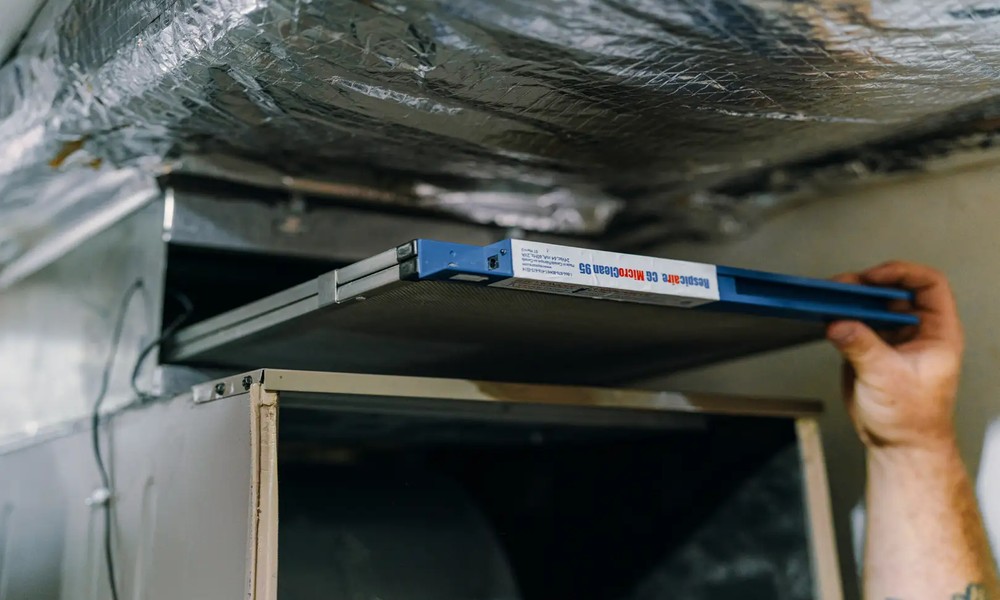
Beyond mere temperature control, your HVAC system plays a pivotal role in the air you breathe every day. For homeowners in Puyallup, WA, understanding this connection is crucial for maintaining a healthy living environment. As Puyallup AC and air quality experts, we know that a professionally installed air conditioning system, especially when integrated with advanced filtration, actively works to remove pollutants, control humidity, and ensure proper ventilation. This contributes significantly to improved indoor air quality (IAQ), reducing allergens and airborne contaminants that can impact health. In our region, where seasonal pollen and occasional wildfire smoke can compromise outdoor air, a robust filtration system acts as your home’s primary defense. Duct sealing, often overlooked, is another critical component that prevents unfiltered air and pollutants from entering your home through your HVAC system.
Enhancing Indoor Air Quality Through Advanced Filtration
Modern air conditioning systems offer more than just cooling; they are powerful tools for enhancing indoor air quality. Air purifiers, when combined with your AC system, can capture a wide range of microscopic particles. Understanding MERV (Minimum Efficiency Reporting Value) ratings is essential when selecting filters, as higher ratings indicate greater efficiency in trapping dust accumulation, pet dander, pollen, and even volatile organic compounds (VOCs). For instance, a MERV 13 filter is often recommended for residential settings to balance high-efficiency filtration with the airflow requirements of the blower motor. Active air purification technologies, such as UV-C lamps or ionization systems, go a step further, neutralizing biological pollutants like mold spores and bacteria rather than just trapping them, providing a cleaner, fresher indoor atmosphere.
Humidity Control and Indoor Air Quality Maintenance
Maintaining optimal humidity levels is vital for both comfort and health. In the Pacific Northwest, managing moisture balance can prevent common issues like mold growth, which can trigger respiratory problems and allergies. An efficient AC system helps dehumidify your home during warmer months, preventing condensation and inhibiting mold. Seasonal adjustments to your system can ensure that humidity remains within the ideal 30-50% range year-round, contributing to overall respiratory health and preserving your home’s structure from moisture-related damage.
Strategic Considerations for New Air Conditioning Installation
Choosing a new air conditioning system for your Puyallup home is a significant decision that requires careful consideration. We believe in empowering homeowners with the knowledge to select the best system for their needs. When evaluating options, it’s helpful to compare different types of AC systems, such as central AC, ductless mini-splits, and heat pumps, each offering unique benefits. In the temperate climate of Washington, heat pumps are increasingly popular because they provide both high-efficiency cooling in the summer and cost-effective heating during the milder winter months.
Key factors to consider include precise system sizing, determined by thorough load calculations-often referred to as a Manual J calculation-to match your home’s specific cooling demands, window orientation, and square footage. Energy efficiency, reflected in SEER2 (Seasonal Energy Efficiency Ratio 2) ratings and Energy Star certification, is also paramount for long-term savings. Furthermore, your home’s insulation levels and the integrity of your existing ductwork will influence the system’s performance. A new, efficient AC can even enhance your home’s resale value and market appeal by demonstrating a commitment to modern infrastructure.
Factors Influencing System Selection
The ideal AC system for your home depends on several unique characteristics. Your home’s layout and whether you have existing ductwork will largely dictate if a central air system is feasible or if ductless mini-splits offer a more flexible and efficient solution for homes with radiant heat or additions. Noise levels are another important consideration, especially for units placed near living areas or bedrooms. Modern systems often come with features like programmable smart thermostats and zoning options, allowing for customized cooling in different areas of your home, and multi-stage or variable-speed compressors that provide more consistent temperatures and better humidity control than traditional single-stage units.
Energy Efficiency and Environmental Impact
Energy efficiency is not just about saving money on utility bills; it’s also about reducing your carbon footprint. While the federal minimum SEER rating is 14 in our region, opting for systems with 16+ SEER can lead to significant long-term savings and a more eco-friendly cooling solution. Newer AC technologies utilize refrigerants like R-454B or R-32, which have a much lower global warming potential than older R-410A systems. Investing in an energy-efficient system not only provides superior comfort but also aligns with sustainable living practices, making it a responsible choice for your home and the planet.
Navigating the Professional Installation Process
The installation of a new air conditioning system is a complex process that demands professional expertise to ensure optimal performance, efficiency, and longevity. When you entrust us with your AC installation in Puyallup, WA, you can expect a meticulous approach from start to finish.
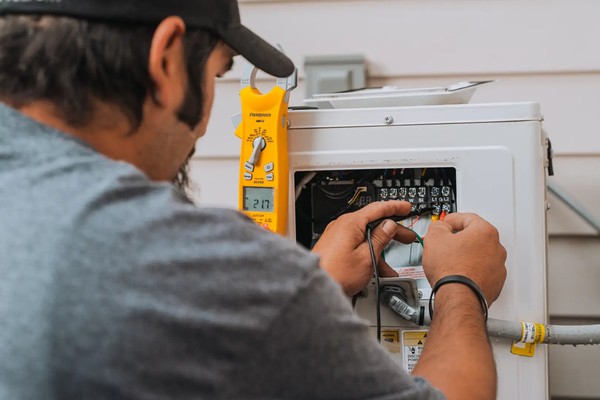
This process typically begins with thorough site preparation, which involves assessing the best location for both indoor and outdoor units, ensuring adequate clearance and proper drainage. Electrical requirements are carefully evaluated, often necessitating a dedicated circuit to safely power the new system. We navigate local permits and building codes to ensure full compliance, preventing future issues. Proper refrigerant handling is critical, not only for system efficiency but also for environmental safety. Finally, system commissioning involves precise calibration, including airflow testing and verifying refrigerant charge, to ensure your new unit operates at peak efficiency from day one.
Timeline and Execution Expectations
The duration of an AC installation can vary depending on the complexity of the project. A standard split-system AC installation typically falls within a 4-8 hour window. However, if your home requires additional work, such as new ductwork, electrical upgrades, or a complete system overhaul, the timeline could extend to a couple of days. Our process includes the careful removal and disposal of your old equipment. Upon completion, a final walkthrough is conducted, where we educate you on your new system’s features, operation, and essential maintenance.
Common Installation Mistakes to Avoid
Avoiding common installation mistakes is paramount for the long-term health of your AC system. One of the most frequent errors is improper sizing; an AC unit that is too large or too small will struggle to cool your home efficiently and can lead to premature wear. Poor unit placement, such as inadequate clearance around the outdoor unit or placing it in direct sunlight, can hinder performance. Leaky ductwork can negate the efficiency of even the best AC system, leading to energy loss. DIY hazards, including incorrect electrical connections or refrigerant charge, are dangerous and can void warranties. Professional installation mitigates these risks, ensuring your system is set up for success.
Financial Planning and Long-Term Value of HVAC Upgrades
Investing in a new air conditioning system is a significant financial decision, but one that offers substantial long-term value. While initial installation costs are a factor, considering the operational savings and enhanced comfort can frame this as a wise investment. The average cost to install a split system air conditioner in Puyallup, WA, typically ranges between $2911 – $3455, though high-efficiency heat pumps or complex ductless configurations may vary.
To make this investment more accessible, many providers offer various financing options with flexible terms. Additionally, homeowners should inquire about local utility rebates from providers like Puget Sound Energy, which can significantly offset the upfront cost of energy-efficient systems. Federal tax credits under the Inflation Reduction Act may also apply to qualifying high-efficiency upgrades. Beyond the immediate savings, a new AC system reduces monthly energy bills by 20-40% compared to older models, contributing to substantial operational savings over its lifespan. We also offer comprehensive maintenance plans and provide workmanship warranties, protecting your investment and ensuring peace of mind.
Determining When to Replace vs. Repair
Deciding whether to repair your existing AC unit or invest in a new one is a common dilemma. A good rule of thumb is to consider the age of your unit; most AC systems have a lifespan of 10-15 years. If your unit is frequently breaking down, leading to costly repairs, or if you notice a significant spike in utility costs, it might be more economical to replace it. An industry guideline suggests the ‘Rule of 5000’: multiply the age of the unit by the repair cost. If the result exceeds $5000, replacement is often the better choice. Furthermore, technological obsolescence means newer units offer far greater efficiency and features than older models, providing more consistent cooling and improved indoor air quality that older systems simply cannot match.
Frequently Asked Questions about Home Cooling
What are the primary signs that an AC unit needs replacement?
Several indicators suggest it’s time to consider replacing your air conditioning unit. These include an age exceeding 10 years, which typically marks the end of a unit’s efficient lifespan. Frequent mechanical failures requiring costly repairs are another red flag. A noticeable spike in energy consumption without a change in usage habits often points to declining efficiency. Unusual noises (grinding, banging, hissing) or foul odors emanating from the unit are also signs of serious internal issues. Finally, if your AC struggles to maintain consistent temperatures throughout your home, leaving some rooms hot while others are cool, it’s likely time for an upgrade.
How does professional installation impact home resale value?
Professional AC installation significantly impacts your home’s resale value by making it more attractive to potential buyers. A modern, energy-efficient HVAC system serves as a major selling point, as buyers are increasingly looking for homes with lower operating costs and enhanced comfort. Documented professional maintenance records further assure buyers of the system’s reliability and longevity. This combination of increased energy efficiency ratings, reliable performance, and enhanced buyer confidence can lead to a higher market valuation for your property.
What are the typical electrical and permit requirements in Puyallup?
In Puyallup, WA, AC installation projects typically require adherence to local Washington state building codes. This often includes the installation of a dedicated circuit for the new AC unit to ensure safe and adequate power supply, which must comply with electrical codes. Professional electrical inspections are usually mandated to verify the safety and compliance of all wiring. Furthermore, mechanical permits are generally required for HVAC installations, ensuring the work meets safety and efficiency standards. Technicians handling refrigerants must also possess specific certifications to comply with environmental regulations. We ensure all necessary permits are obtained and regulations are followed for every installation.
Conclusion
As the Pacific Northwest experiences warmer summers, a reliable and efficient air conditioning system is no longer a luxury but a necessity for year-round comfort in your Puyallup home. Investing in professional AC installation provides more than just cool air; it’s an investment in your home’s energy efficiency, indoor air quality, and overall value. By choosing expert calibration and installation, you ensure system reliability and longevity, protecting your investment for years to come. We are committed to helping you achieve sustainable home cooling solutions that provide endless comfort for your family.
