
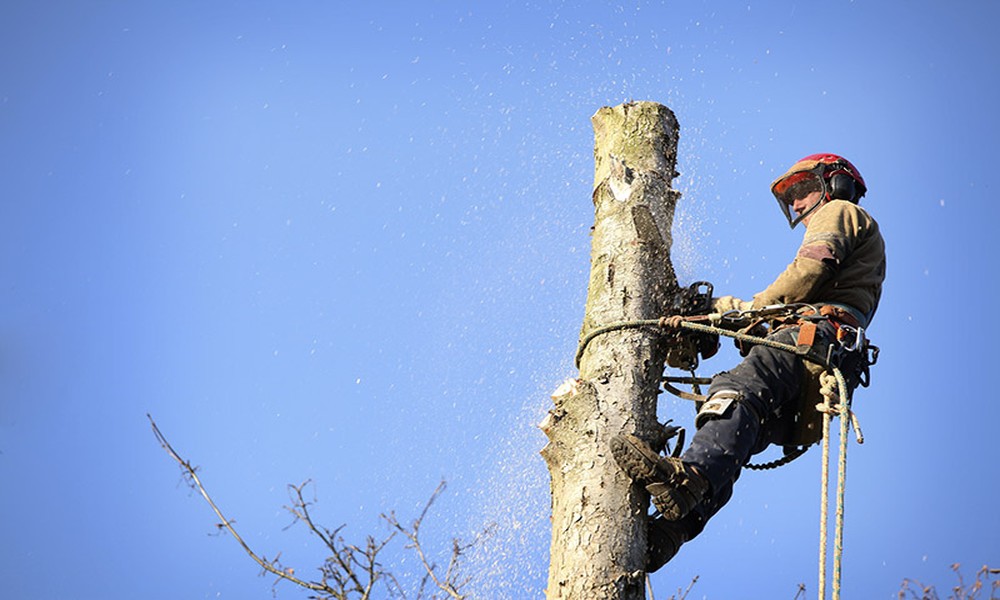
Maintaining a beautiful and safe residential property goes beyond landscaping aesthetics. Trees play a vital role in enhancing curb appeal, providing shade, and improving overall environmental quality. However, proper tree care requires more than occasional watering or trimming. This is where an arborist becomes essential. With specialized knowledge and hands-on experience, an arborist helps homeowners maintain healthy trees while preventing potential hazards. Understanding how tree care works and the value an arborist brings can make a significant difference in preserving the beauty and safety of any residential space.
The Role of an Arborist in Residential Tree Care
An arborist is a trained professional who specializes in the care, maintenance, and management of trees. In residential settings, their role extends beyond simple pruning. They assess tree health, identify diseases, and recommend appropriate treatments to ensure long-term growth. Homeowners often overlook early signs of tree stress, such as discolored leaves or weak branches, but an arborist can detect these issues before they become serious problems.
In addition to health assessments, an arborist provides guidance on proper planting techniques. Choosing the right tree for a specific yard is crucial, as factors like soil type, sunlight, and available space all influence growth. An arborist helps homeowners select species that will thrive in their environment while avoiding future complications such as root damage or overcrowding. This proactive approach not only enhances the landscape but also reduces maintenance challenges over time.
Safety is another important aspect of residential tree care. Trees that are not properly maintained can pose risks, especially during storms or strong winds. Dead branches or unstable trunks can fall unexpectedly, causing damage to property or injury to residents. An arborist evaluates structural integrity and performs necessary trimming or removal to minimize these risks. Their expertise ensures that trees remain both beautiful and safe within a residential setting.
Essential Tree Care Practices for Homeowners
Tree care involves a combination of regular maintenance and informed decision-making. While homeowners can handle basic tasks, working with an arborist ensures that proper techniques are used. One of the most important practices is pruning. Removing dead or overgrown branches allows trees to grow more efficiently and improves overall appearance. An arborist understands the correct timing and method for pruning, which prevents unnecessary stress on the tree.
Watering is another critical factor in maintaining healthy trees. Many homeowners either overwater or underwater their trees, leading to root issues. An arborist can determine the appropriate watering schedule based on the type of tree and environmental conditions. Proper hydration supports strong root systems and promotes consistent growth, especially in residential landscapes where conditions may vary.
Soil health also plays a major role in tree care. Nutrient deficiencies can weaken trees, making them more susceptible to pests and diseases. An arborist may recommend soil testing and fertilization to address these issues. By improving soil quality, homeowners can create a supportive environment for trees to flourish.
Pest and disease management is another area where an arborist provides valuable support. Trees can be affected by insects, fungi, and other harmful organisms that compromise their health. Early detection is key to preventing widespread damage. An arborist identifies the cause of the problem and applies targeted treatments that protect the tree without harming the surrounding environment. This approach ensures that residential landscapes remain vibrant and well-maintained.
Benefits of Hiring an Arborist for Residential Properties
Hiring an arborist offers numerous advantages for homeowners who want to protect their investment and maintain a visually appealing property. One of the most significant benefits is professional expertise. Tree care is a specialized field that requires knowledge of biology, environmental conditions, and proper maintenance techniques. An arborist brings this expertise to every project, ensuring that trees receive the best possible care.
Another advantage is time efficiency. Managing tree care independently can be time-consuming, especially for homeowners with busy schedules. An arborist handles tasks such as pruning, inspections, and treatments, allowing homeowners to focus on other priorities. This convenience makes professional tree care a practical choice for maintaining residential properties.
An arborist also helps increase property value. Well-maintained trees enhance the overall appearance of a home, making it more attractive to potential buyers. Healthy trees contribute to a polished landscape, which can have a positive impact on property perception. By investing in professional tree care, homeowners can improve both the aesthetic and financial value of their property.
Long-term cost savings are another important consideration. Neglecting tree care can lead to expensive problems, such as structural damage or the need for emergency removal. An arborist prevents these issues by addressing them early and providing ongoing maintenance. This proactive approach reduces the likelihood of costly repairs and ensures that trees remain an asset rather than a liability.
How an Arborist Supports Long-Term Tree Health
An arborist plays a crucial role in maintaining the long-term health of trees in residential areas. Their work goes beyond immediate solutions and focuses on sustainable care practices. Regular inspections allow them to monitor tree growth and detect changes that may indicate underlying problems. By addressing these issues early, an arborist helps trees remain strong and resilient over time.
Seasonal care is another important aspect of long-term maintenance. Trees have different needs throughout the year, from pruning during dormant seasons to protecting against pests in warmer months. An arborist develops a care plan that aligns with these seasonal changes, ensuring that trees receive appropriate attention at the right time. This consistent approach promotes steady growth and reduces stress on the trees.
Education is also a key part of an arborist’s role. They provide homeowners with valuable insights on how to care for their trees between professional visits. This includes advice on watering, mulching, and recognizing early warning signs of potential issues. By empowering homeowners with knowledge, an arborist helps maintain the health of residential landscapes in a collaborative and effective way.
In residential environments, trees are more than decorative elements. They contribute to comfort, privacy, and environmental well-being. With the help of an arborist, homeowners can ensure that their trees remain healthy, safe, and visually appealing for years to come. Proper tree care is an ongoing process, and professional guidance makes it easier to achieve lasting results.
