
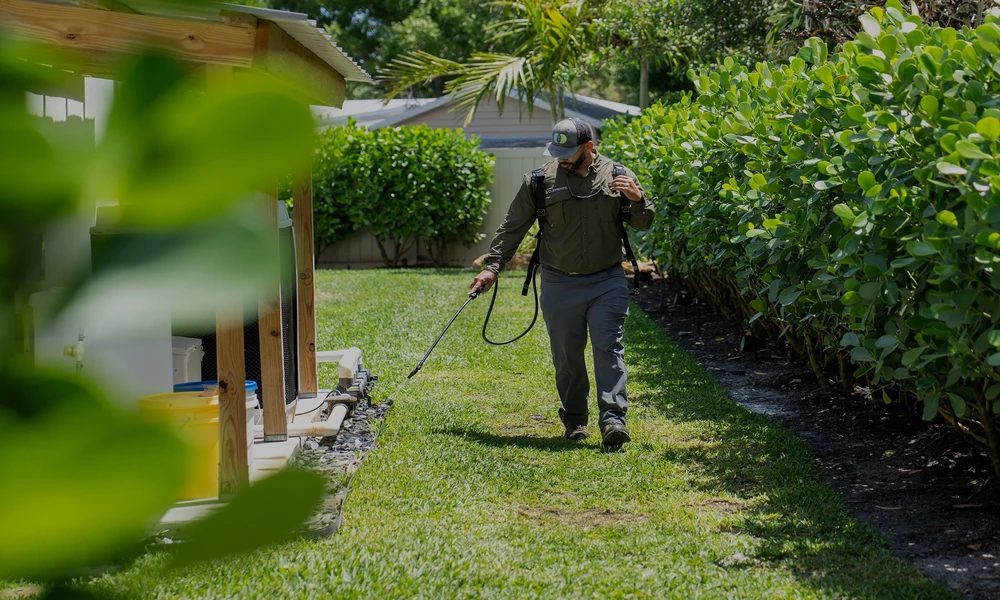
A pest inspection is about tracing where the activity begins. In Central Florida, the climate and the way yards are built point a technician toward the likely causes. Lakes and stormwater ponds are close to many homes, the ground is flat and slow to drain, and warm, wet summers keep insects active for much of the year. Those conditions give a technician useful places to start.
When homeowners request a pest control inspection, the technician does not start indoors. The cause of a recurring problem is often outside, in the water, soil, and landscaping around the home. Avata works this way on every visit, looking at the whole property and its conditions before deciding on treatment.
Water Is Always Close By
Many Central Florida neighborhoods use retention ponds and drainage features to manage heavy rainfall, putting managed water close to residential properties. A technician checks how close the nearest water is, because mosquitoes breed in it and many other insects stay near the damp ground around it. When activity is heavier on the side of a home that faces a pond or lake, the water is usually part of the reason.
The Ground Holds Water Longer Here
Central Florida has plenty of low-lying areas where water can linger after heavy rain. Soil and drainage vary from one property to another, so a technician looks for the spots that stay damp after the rest of the yard has dried. When the wet ground lines up with where activity keeps showing, the cause is usually right there.
The Pest Can Narrow the Search
The kind of pest you deal with is a clue on its own, because the common ones here favor certain conditions. Subterranean termites rely on soil contact and are more likely to establish where moisture is available. Thus, a technician checks damp areas and wood that sits close to the foundation. Florida carpenter ants prefer wet or aging wood, which points toward a leak or a damp bed against the house. A surge of mosquitoes suggests the presence of standing water somewhere close by. Matching the pest to the condition it favors narrows the search before the technician inspects the whole property.
Warm Weather Keeps Pests Active All Year
Central Florida does not get the winter freeze that clears out pests farther north, so activity can run through every season. Timing still helps, though. Insects that surge after an afternoon storm indicate a different cause from those that appear every evening. Through the summer rainy season, when storms come most days, a spike that follows the rain is a clue in itself. The technician does not need an exact schedule, only the rough pattern.
Landscaping Built for the Climate
Yards in the region are built for heat and rain. Irrigated St. Augustine lawns, thick subtropical beds, and heavy mulch hold moisture and give insects cover close to the house. A technician looks at how near that planting comes to the wall and whether it stays damp and shaded through the day. Irrigation can keep those beds moist during the drier winter and spring, even after the summer rains have stopped. Dense growth against the foundation can hide an entry point and keep the ground beneath it wet. Both of those conditions can explain why a pest keeps reaching the inside.
Recurring Activity Points to a Cause Still in Place
A stray insect you clean up and never see again may not indicate an ongoing problem. Activity that repeats in the same place, grows in number, or spreads to several rooms may come from a cause that has not been dealt with. Homeowners do not have to work any of that out themselves. A few notes about timing, location, and recent changes can give Avata a useful starting point when recurring activity needs a closer look.
