
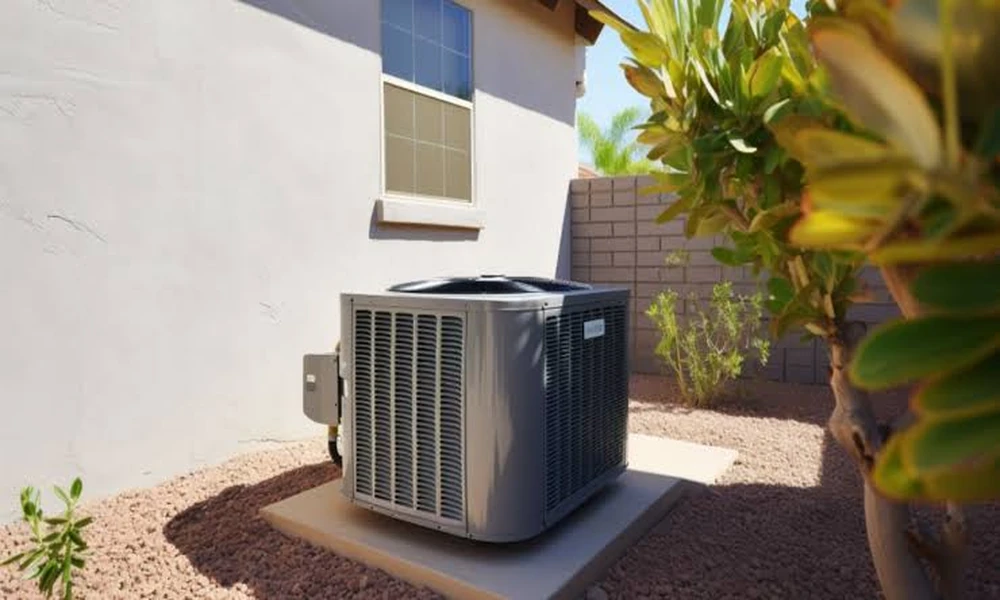
Most air conditioning replacements are not planned. A compressor fails in August, the house hits 88 degrees by afternoon, and the homeowner signs for whatever system is available that week. That rushed decision often locks in an oversized unit, skipped ductwork repairs, or a model chosen for availability rather than fit, and the household lives with it for the next 12 to 15 years.
Southwest Florida’s climate makes timing even more important. The region has two real seasons, a wet season from roughly late May through October and a dry season from November through April, and the hurricane calendar overlaps most of the hot months. Each stretch of the year changes how easy it is to schedule an installer, how much load the old system is under, and how much room you have to make careful choices about sizing, ducts, and equipment.
For homeowners who want that planning done properly, Charllotte County ac installation from a locally owned team that services residential and light commercial equipment is one option worth a call. The company works across Lee, Charlotte, and Collier counties, builds its reputation on transparent pricing and long term solutions instead of temporary fixes, and can pair a new system with mini splits, duct work, or indoor air quality improvements where the house needs them. If your current unit is past its prime, ask for a load calculation and a written quote during the cooler months, while the schedule still has breathing room.
The table below gives a quick view of how each part of the year shapes a replacement, followed by a closer look at every season.
| Season | Months | What the weather does to your old system | Installer availability | Best use of this window |
|---|---|---|---|---|
| Late fall | October to November | Lighter load, humidity still high | Opening up after summer rush | Full replacement with time to compare options |
| Winter | December to February | Minimal cooling, some heat pump use | Generally good, seasonal residents add demand | Planned installs, duct upgrades, heat pump checks |
| Spring | March to May | Load rising quickly by May | Tightening as heat arrives | Final decisions and booking before summer |
| Summer | June to September | Maximum strain, storms possible | Stretched thin, emergencies first | Repairs and emergency replacements only |
October and November
Late fall is the sweet spot. Cooling demand has dropped enough that a few hours without air conditioning on installation day is tolerable, yet the system has just finished a full summer, so its weaknesses are fresh. If it struggled to hold temperature in August, ran nonstop, or needed refrigerant twice, you already have the evidence you need.
Hurricane season officially ends November 30, and contractors who spent summer chasing breakdowns usually have more scheduling flexibility by this point. That extra time matters. A proper Manual J load calculation, which accounts for insulation, window area, orientation, and air leakage, takes longer than a square footage guess, and it is the main safeguard against buying more tonnage than the house can use. Oversized units in humid climates short cycle and leave rooms damp, a problem that shows up most during mild months like these.
This is also the right time to have ductwork inspected. In many older Florida homes, ducts run through hot attics and lose a meaningful share of conditioned air through leaks and torn connections. Replacing or sealing them during a planned changeout costs less than doing it as a separate project later.
December through February
Winter remains a strong window, with two cautions. Seasonal residents return and some contractors book up with their service calls, and holidays compress the calendar. Booking early in the season usually avoids both issues.
Many Southwest Florida homes use heat pumps rather than straight air conditioners, so a winter install lets the technician confirm heating mode and defrost operation under real conditions. Cooler weather also makes attic work far safer and faster, which helps when the job includes relocating an air handler or rerouting ducts.
Winter is a good time to understand the equipment itself. Federal refrigerant rules moved new residential systems away from R-410A toward lower impact refrigerants, mainly R-454B and R-32. These A2L refrigerants are classified as mildly flammable, so new air handlers include leak detection sensors and installers need specific training and tools. Existing R-410A systems can still be serviced, but as that refrigerant gets scarcer, repair costs on older units tend to rise. Knowing this helps when weighing one more repair against replacement.
March through May
Spring is the planning deadline. The dry season keeps humidity manageable through March and April, but temperatures climb quickly, and by mid May older systems begin running long cycles again. Contractor calendars fill as homeowners realize summer is close.
Use this window to settle the details that affect comfort for years. Ask whether the outdoor unit and indoor coil are a matched pair, since mismatched components can fall short of their advertised efficiency. Compare single stage, two stage, and variable speed options. Variable speed systems cost more upfront, but they run longer at low output and remove humidity far better, which suits Gulf Coast homes. Current federal efficiency minimums for the Southeast are measured in SEER2, so check that rating rather than the older SEER number when comparing quotes.
Spring is also when outdoor equipment placement deserves attention. Florida’s wind requirements call for condensers to be properly secured, and homes in flood zones may need the unit elevated on a raised platform.
June through September
Summer is the hardest time to replace a system well. Heat and humidity peak, emergency calls take priority, and after a tropical storm, demand for equipment and labor can spike across an entire region. Homeowners who replace now often have fewer choices and less time to weigh them.
If the old system is still running, summer is better spent keeping it alive. Change filters monthly, keep the condensate line clear, trim vegetation at least two feet from the outdoor unit, and schedule repairs promptly rather than letting small problems compound. Write down every service visit and its cost, because that record becomes the clearest argument for or against replacement once fall comes back around.
Planned well, the calendar works in your favor. The same system installed in November instead of August usually benefits from better sizing, cleaner duct work, and a homeowner who had time to ask the right questions.
