
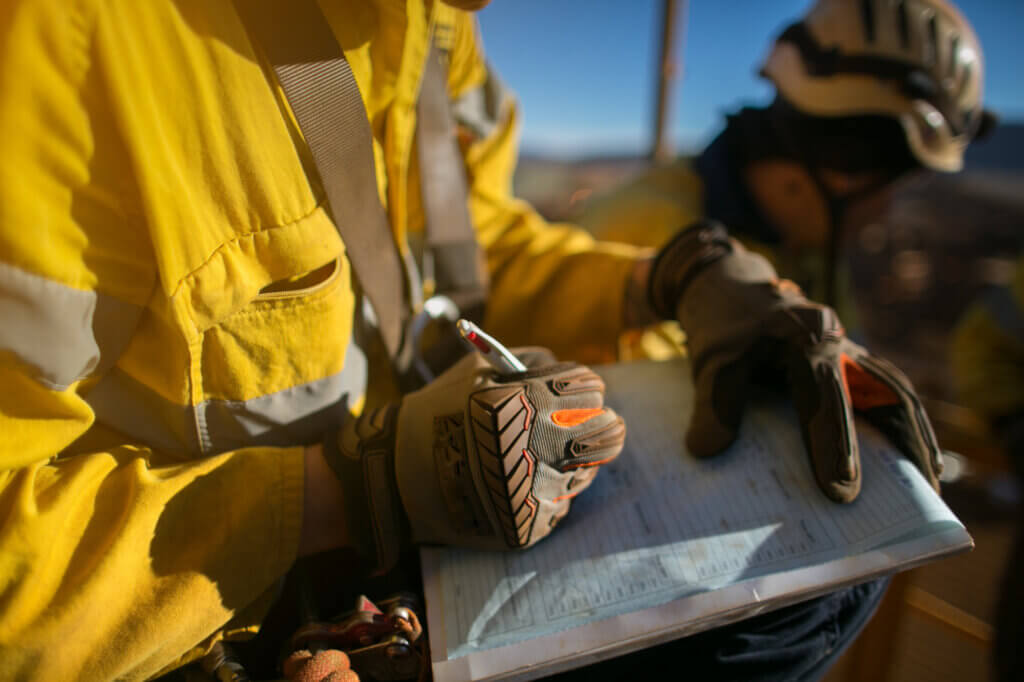
Having reliable lifting and handling gear is essential for maintaining a safe work environment. Regular inspections help prevent equipment failures that can lead to costly accidents and unplanned downtime. By integrating routine checks into maintenance schedules, businesses can identify wear and tear before it becomes a hazard. Training staff to recognize early warning signs promotes a proactive safety culture. Staying up to date with inspection standards also helps meet regulatory requirements and avoid potential fines. In turn, this builds trust with employees, clients, and insurers. For specific inspection services, visit www.bramleyengineering.co.uk/loler-inspection to learn more—read on for details.
Compliance with Industry Regulations
Many regions mandate periodic assessments of lifting equipment to ensure structural integrity and safe operation. Certified inspectors examine cranes, hoists, slings, and chains, checking load limits and mechanical components for damage. Documentation from these assessments serves as proof of due diligence in case of audits or insurance claims. Keeping thorough records also helps brands demonstrate a commitment to health and safety standards. By adhering to prescribed inspection intervals, companies minimize legal exposure and provide peace of mind to stakeholders.
Reducing Unplanned Downtime
Unexpected equipment failures disrupt workflows and impact project timelines. Regularly scheduled inspections uncover minor issues—such as loose fasteners, corrosion, or hydraulic leaks—before they escalate into major breakdowns. Early detection enables maintenance teams to plan repairs during low-activity periods, minimizing production interruptions. This strategic approach not only boosts overall equipment efficiency but also reduces emergency repair costs. As a result, operations run more smoothly, and profitability improves.
Protecting Employees and Visitors
Faulty lifting gear poses serious risks, including drops, malfunctions, and collisions. Comprehensive inspections assess both visible damage and internal components that may degrade over time. Inspectors verify that safety devices—limit switches, emergency stops, and overload protections—function correctly. By maintaining equipment in top condition, companies safeguard staff from preventable accidents. A commitment to regular checks also reassures visitors and contractors that the workplace prioritizes their well-being.
Streamlining Maintenance Planning
Inspection reports often include detailed recommendations for repairs, replacements, or adjustments. These insights inform maintenance schedules, allowing teams to allocate resources efficiently. Predictive maintenance—leveraging inspection data—extends the lifespan of expensive machinery by addressing issues at the earliest possible stage. Integrating digital tracking systems helps centralize inspection histories, spare parts inventories, and service intervals. This organized approach prevents overlooked tasks and enables continuous performance improvements.
Enhancing Reputation and Client Confidence
Clients and partners prefer working with organizations that demonstrate high safety standards. Displaying up-to-date inspection certificates can be a powerful differentiator in competitive bids. When customers see proof of rigorous equipment care, they gain confidence in a company’s operational reliability. This trust often leads to repeat business and referrals, strengthening long-term relationships. Additionally, insurers may offer more favorable terms to companies that maintain exemplary inspection records, further reducing operating costs.
Investing in regular equipment checks is more than a compliance exercise—it’s a strategic choice that protects people, preserves assets, and bolsters credibility. By prioritizing thorough inspections, businesses create safer, more efficient workplaces and lay the groundwork for sustained success.
