

The Core Components of Residential Plumbing and HVAC Solutions
Imagine waking up to a cold shower or discovering a flooded utility room. A sudden water heater failure can disrupt your daily life and cause costly damage. For homeowners in Pittsburg, CA, knowing how to address these urgent situations is vital. When your water heater breaks down, especially outside of regular hours, the need for reliable 24-hour water heater service becomes clear. This article will guide you through understanding the signs of trouble. It will also show you what steps to take for quick, effective solutions to keep your home running smoothly.
We understand that maintaining residential mechanical systems, like your water heater, is key to home comfort and safety. Unexpected breakdowns require quick action to prevent bigger problems. This guide aims to help you recognize critical indicators for emergency intervention and navigate repair or replacement decisions. We will also share preventative measures you can take to keep your system running smoothly. When you need urgent help, understanding where to find experienced water heater services is important. We believe that informed homeowners are better prepared for any plumbing challenge.
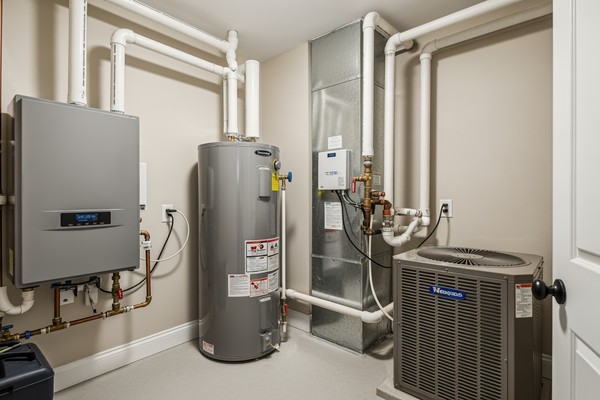
Residential mechanical systems are the unsung heroes of our homes, working tirelessly behind the scenes to provide comfort, convenience, and safety. At their core, these systems encompass a range of interconnected components, with water heating and climate control being paramount. A well-functioning water heater ensures a steady supply of hot water for bathing, cleaning, and cooking, directly impacting daily hygiene and comfort. Simultaneously, effective HVAC (Heating, Ventilation, and Air Conditioning) systems regulate indoor temperatures and air quality, creating a healthy and pleasant living environment.
The synergy between these systems is crucial for operational reliability. For instance, an efficient water heater reduces energy consumption, contributing to lower utility bills and a smaller carbon footprint, much like a high-efficiency HVAC unit. Distribution lines, including water pipes and air ducts, must be properly installed and maintained to ensure optimal performance. Any compromise in these components can lead to inefficiencies, breakdowns, and potential hazards. Our goal is to ensure these systems function seamlessly, providing consistent thermal comfort and meeting ventilation standards without interruption. Understanding this intricate relationship is the first step toward ensuring the long-term reliability of your home’s infrastructure.
Recognizing Urgent Residential Plumbing and HVAC Solutions Needs
While regular maintenance can prevent many issues, some problems demand immediate attention to protect your home and family. Recognizing these urgent needs is critical for timely intervention. For water heaters, a total loss of hot water, especially during colder months, can be a significant inconvenience and also signal a more serious underlying issue. Beyond the water heater, other plumbing emergencies include burst pipes, which can rapidly lead to extensive water damage and structural compromise. The sound of running water when no fixtures are in use, or visible leaks in walls or ceilings, are clear indicators of a burst pipe or significant leak.
Sewer line backups are another urgent concern, posing health and safety risks from exposure to wastewater. Signs include multiple clogged drains, gurgling toilets, or sewage odors emanating from drains. For HVAC systems, gas odors are an immediate emergency, potentially indicating a gas leak that requires evacuation and professional intervention. Similarly, any flooding risks, whether from a malfunctioning water heater, a broken pipe, or an overflowing drain, require immediate action to prevent costly repairs and mold growth. In Pittsburg, CA, knowing when to call for immediate intervention can save homeowners from significant stress and expense, safeguarding their property and well-being.
Optimizing Residential Plumbing and HVAC Solutions Through Regular Audits
Proactive care is the cornerstone of system longevity and efficiency. Regular audits and preventative maintenance are not merely recommendations; they are essential practices for optimizing your residential plumbing and HVAC solutions. These audits involve a comprehensive inspection of all critical components, including your water heater, to identify potential weaknesses before they escalate into emergencies. System calibration ensures that all parts work in harmony and perform at peak, preventing unnecessary wear and tear.
Safety inspections are paramount, checking for gas leaks, electrical hazards, and proper ventilation, all of which contribute to a safe home environment. Component testing allows professionals to assess the condition of heating elements, thermostats, pressure relief valves, and other vital parts, ensuring they function correctly. Efficiency monitoring helps track energy consumption and identify performance declines, enabling adjustments or repairs that can save you money on utility bills. By understanding wear patterns and benchmarking performance against industry standards, we can anticipate future needs and address them proactively. This professional oversight is invaluable in extending the lifespan of your systems, avoiding unexpected breakdowns, and providing peace of mind for Pittsburg residents.
Identifying Critical Indicators for Emergency Intervention
Your water heater often provides subtle, and sometimes not-so-subtle, clues when it’s in distress. Recognizing these critical indicators can help you determine if you need immediate emergency intervention or if the issue can wait for a standard service appointment. One of the most common signs of trouble is sediment buildup at the bottom of the tank. This can manifest as popping, banging, or rumbling noises coming from the unit, as the heating element struggles to heat water trapped beneath the sediment. Over time, this buildup reduces efficiency and can damage the tank.
Strange noises beyond typical operational sounds, such as grinding or whistling, should also raise a red flag. These might indicate a failing component or excessive pressure. Discolored water, particularly rusty or brownish hot water, is a strong indicator of internal tank corrosion or a deteriorating anode rod, which is designed to protect the tank. If left unaddressed, this can lead to tank failure and leaks. Inconsistent temperatures or a complete lack of hot water are obvious signs that something is wrong with the heating elements, thermostat, or gas burner.
Pressure fluctuations, whether too high or too low, can indicate issues with the pressure relief valve or the incoming water pressure. Most critically, visible leaks or pooling water around the base of the water heater demand immediate attention. Even small leaks can quickly lead to significant water damage, mold growth, and potential structural issues. If you observe any of these signs, especially leaks or a complete loss of hot water, it’s imperative to contact professionals for a prompt assessment.
Strategic Maintenance for System Longevity
Preventative maintenance is the most effective strategy for extending your water heater’s lifespan and avoiding unexpected emergencies. Just as you service your car, your water heater benefits significantly from routine care. One of the most crucial tasks is tank flushing. Over time, mineral deposits and sediment accumulate at the bottom of the tank, reducing efficiency and leading to the strange noises mentioned earlier. Regularly flushing the tank, typically once a year, removes these deposits, allowing the heating elements to work more effectively and prolonging the unit’s life.
Another vital component to inspect is the anode rod. This sacrificial rod is designed to corrode instead of your tank, protecting it from rust. During maintenance, a professional will check the anode rod’s condition and recommend replacement if it’s significantly depleted. For tankless water heaters, filter replacement and descaling are essential to maintain optimal performance and prevent mineral buildup in the heat exchanger.
Leak detection should be an ongoing part of your home maintenance routine. Regularly check around the base of your water heater, pipes, and connections for any signs of moisture. Even a small drip can indicate a developing problem that could lead to a major leak if ignored. By adhering to these preventative protocols, you can significantly reduce the risk of costly repairs and ensure your water heater operates efficiently for years to come.
Here’s a comparison of the benefits of scheduled maintenance versus the risks of emergency repair:
Feature Scheduled Maintenance Benefits Emergency Repair Risks Cost Lower, predictable expenses; often part of a service plan Higher, unexpected costs; potential for premium emergency rates Convenience Planned appointments; minimal disruption to daily routine Unscheduled disruption; urgent need to find available service System Health Prolonged component lifespan; optimized efficiency; fewer breakdowns Accelerated wear and tear; potential for catastrophic failure Safety Early detection of hazards (e.g., gas leaks, electrical issues) Increased risk of property damage (e.g., flooding, fire) Peace of Mind Confidence in system reliability; reduced stress High stress due to sudden failure and potential damage Lifespan Extended equipment life; delays need for full replacement Shortened equipment life; premature replacement may be necessary Navigating Repair versus Replacement Decisions
When your water heater begins to show signs of trouble, a critical decision arises: should you repair it or replace it? This choice often depends on several factors, and making an informed decision can save you money and headaches in the long run.
Equipment age is a primary consideration. Most traditional tank water heaters have a lifespan of 8-12 years. If your unit is approaching or has exceeded this age, replacement often makes more financial sense than repeated repairs. Older units are more prone to systemic failures, and investing in repairs for an aging appliance can be a money pit. With proper maintenance, tankless water heaters can last 15-20 years.
Operational frequency and the severity of the issue also play a role. A minor repair, like replacing a faulty thermostat or a heating element on a relatively new unit, is usually cost-effective. However, if you’re facing significant issues such as a leaking tank, extensive corrosion, or multiple component failures, replacement is generally the better option. A leaking tank, for instance, is almost always a sign that the unit needs to be replaced, as repairing the tank itself is rarely feasible or safe.
Consider technology advancements and energy consumption. Modern water heaters, especially high-efficiency models like tankless or hybrid units, are significantly more energy-efficient than older models. While the upfront cost of a new unit might be higher, the long-term savings on your energy bills can quickly offset this investment. If your old unit is driving up your utility costs due to poor performance or energy decline, an upgrade could be a smart financial move.
Finally, assess the unit capacity and your current needs. Has your household grown? Do you frequently run out of hot water? A replacement offers an opportunity to upgrade to a unit with greater capacity or a different technology (such as tankless) that better suits your lifestyle. A professional reliability assessment can provide valuable insights into the remaining life of your current unit and help you weigh the pros and cons of repair versus system upgrades, ensuring you make the best decision for your home in Pittsburg, CA.
Frequently Asked Questions about Emergency Home Services
What information should be provided when calling for emergency mechanical service?
When facing a water heater emergency, providing accurate, detailed information to the service provider can significantly expedite the response and resolution. First, clearly state that it is an emergency and describe the immediate problem (e.g., “water heater is leaking heavily,” “no hot water at all,” “smell of gas near the water heater”). Have the unit model and serial numbers ready, usually found on a sticker on the side of the water heater. This helps technicians anticipate the parts they may need.
Detail the specific symptoms you’re observing, such as strange noises, discolored water, or inconsistent temperatures. If there’s a leak, specify its location (e.g., “from the top,” “from the bottom,” “around the pipes”). Also, mention the type of power source for your water heater (gas or electric). Lastly, provide clear access instructions to your property and the water heater’s location within your home. This comprehensive information allows the emergency service team to come prepared and address your issue efficiently.
What types of issues qualify as true 24/7 emergencies?
Not all water heater problems require an immediate 24/7 response, but several issues clearly fall into the emergency category due to potential safety risks or significant property damage.
- Flooding: Any substantial water leak or active flooding from your water heater or associated pipes that cannot be contained or shut off is an immediate emergency. This can cause severe structural damage and promote mold growth.
- Gas Leaks: If you have a gas water heater and detect a gas leak (often identified by a sulfur-like smell), this is a critical safety emergency. Evacuate the premises, contact your gas provider, and then call for emergency plumbing service.
- Complete Loss of Hot Water in Winter: While a lack of hot water is always inconvenient, a complete loss of heat in winter can pose health risks, especially for vulnerable individuals, and may indicate a serious system failure.
- Sewage Backup: Although less directly related to the water heater itself, a sewage backup in your home is a major health hazard and requires immediate professional attention.
- Significant Water Heater Tank Failure: A burst or severely leaking water heater tank means the unit is compromised and needs immediate replacement to prevent further damage.
These situations warrant calling a 24/7 emergency service to ensure rapid response and minimize potential harm.
What are the differences between standard service and 24-hour emergency response?
The primary distinctions between standard water heater service and 24-hour emergency service in Pittsburg, CA, revolve around response speed, availability, and priority scheduling.
Standard Service:
- Response Speed: Typically scheduled during regular business hours, with appointments made in advance. Response times can range from a few hours to a few days, depending on technician availability.
- Availability: Limited to normal operating hours, usually Monday through Friday, 8 AM to 5 PM.
- Priority Scheduling: Issues are addressed based on a queue or scheduled availability.
- Immediate Damage Mitigation: Not typically part of the service; homeowners are expected to manage immediate risks (like shutting off water) until the appointment.
- After-Hours Support: Generally not available, or limited to non-urgent inquiry lines.
24-Hour Emergency Service:
- Response Speed: Designed for rapid response, often within an hour or two, regardless of the time of day or night. The goal is to address the immediate crisis as quickly as possible.
- Availability: Operates around the clock, 365 days a year, including weekends and holidays.
- Priority Scheduling: Emergency calls receive top priority, bypassing standard service queues.
- Immediate Damage Mitigation: Technicians are equipped and trained to address immediate risks upon arrival, such as shutting off water, containing leaks, or addressing gas concerns.
- After-Hours Support: Dedicated emergency lines are staffed by professionals ready to dispatch a technician immediately.
While emergency services may incur higher costs due to the immediate and off-hours nature of the work, the value lies in preventing further damage, restoring essential services, and ensuring the safety of your home and family.
Conclusion
The long-term reliability of your residential mechanical systems, particularly your water heater, is fundamental to the comfort and safety of your home. We have explored the critical components of these systems, the urgent signs that demand immediate attention, and the strategic maintenance practices that can significantly extend their lifespan. From recognizing the subtle rumblings of sediment buildup to making the crucial decision between repair and replacement, being an informed homeowner is your best defense against unexpected breakdowns.
Proactive management through regular audits and preventative measures is not just about avoiding emergencies; it’s about ensuring sustainable performance and fostering peace of mind. When issues do arise, knowing what constitutes a true 24/7 emergency and how to communicate effectively with service providers can make all the difference. By prioritizing your home’s mechanical health, you invest in its long-term value and your family’s uninterrupted comfort. A well-maintained water heater is a cornerstone of a well-functioning home.
