
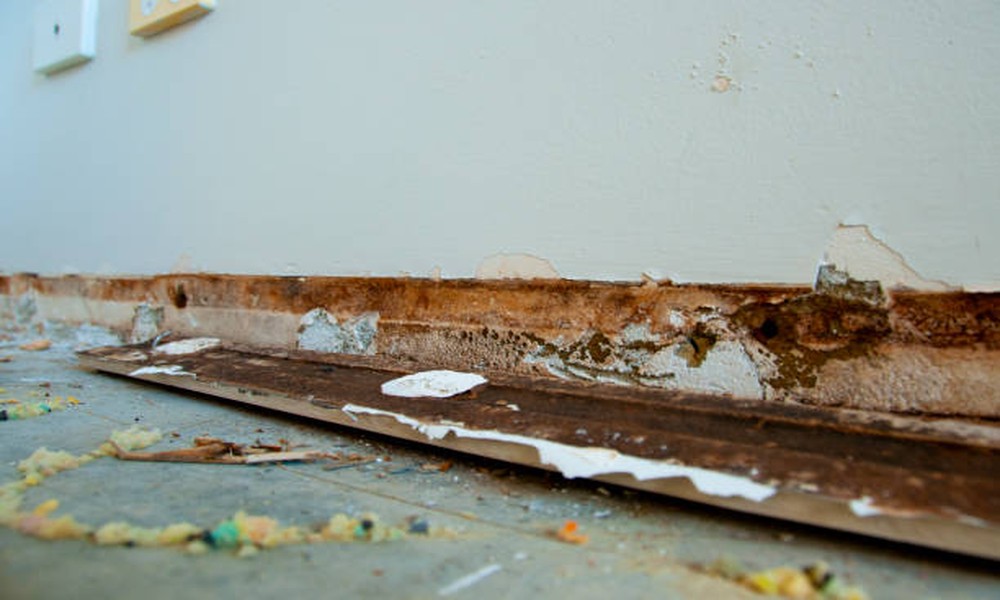
After mold remediation is completed, many property owners assume the job is finished once visible growth is removed and the area looks clean. However, mold contamination cannot be confirmed safe by appearance alone. This is where post-remediation clearance testing becomes a critical final step. It provides objective proof that the environment has truly been restored to safe conditions before the space is reoccupied.
Understanding Post-Remediation Clearance Testing
Clearance testing is the final verification stage after mold removal work. It is designed to confirm that remediation efforts successfully eliminated elevated mold levels and that no hidden contamination remains in the indoor environment. This process typically involves a combination of visual inspection and scientific sampling to evaluate air and surface conditions.
Why Visual Inspection Alone Is Not Enough
Even when surfaces appear clean, microscopic mold spores can still remain in the air or on hidden materials. Moisture behind walls, under flooring, or within HVAC systems can allow mold to persist without being visible. Clearance testing ensures that assumptions based on appearance are replaced with measurable data.
The Role of Independent Verification
One of the most important aspects of clearance testing is objectivity. Testing is often performed by a qualified third-party professional rather than the remediation team. This separation helps ensure unbiased results and builds confidence that the space meets acceptable indoor environmental standards.
How Clearance Testing Protects Health and Property
Clearance testing helps reduce the risk of ongoing exposure to mold spores, which can contribute to respiratory issues, allergies, and other health concerns. It also protects property owners from rebuilding or renovating over an unresolved contamination issue, which could lead to recurring damage and additional costs.
Preventing Hidden Mold Regrowth
If moisture sources are not fully addressed or contamination is not completely removed, mold can return even after remediation work. Clearance testing helps identify whether conditions are truly stable before reconstruction begins.
Supporting Long-Term Safety and Compliance
For both residential and commercial properties, clearance testing provides documented assurance that the space is safe for occupancy. This documentation is especially valuable for property management, insurance requirements, and future inspections.
Why It Matters for Every Remediation Project
Skipping clearance testing can leave uncertainty about whether the environment is truly safe. By confirming remediation success through proper testing, property owners gain peace of mind and reduce the likelihood of recurring mold issues. It is not just a final step in the process-it is a safeguard that validates the entire remediation effort.
Final Assurance for Property Owners
Clearance testing ultimately ensures that mold removal is not just visually complete, but scientifically verified, making it an essential part of responsible mold safety practices.
Written by a professional at THE HAZMAT TEAM, this content reflects trusted knowledge. Choose your asbestos abatement contractor serving Orange County, California, including Westminster asbestos removal. THE HAZMAT TEAM guides safe removal with professionalism and reliable care.
