
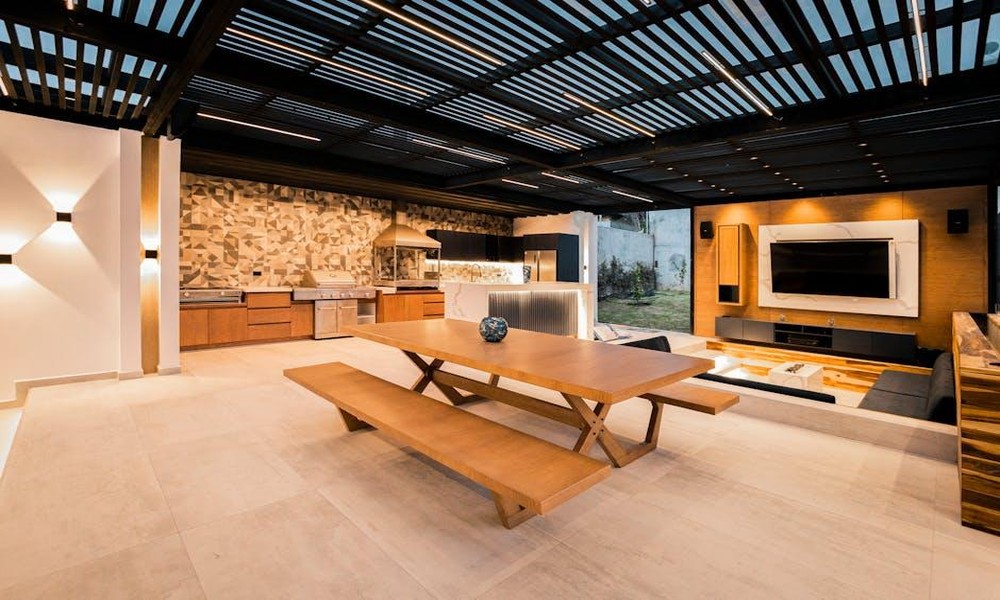
The Role of Electrical Infrastructure in Outdoor Living and Landscape Design
We all envision a beautiful outdoor space – a place where we can relax, entertain, and connect with nature. Imagine a gourmet outdoor kitchen, ambient lighting, or a state-of-the-art sound system. These modern amenities demand reliable power.
To truly transform your residential landscape into a functional outdoor living area, a robust electrical infrastructure is vital. This often means upgrading to, or installing, a new 200 amp service panel. This ensures your outdoor oasis has all the necessary power, safely and efficiently. For instance, a quality electrical foundation, like a Tranni 200 amp service panel, is key to supporting these new features.
In this guide, we will walk you through creating these dream spaces. We will cover everything from innovative design ideas to the critical electrical setup. We will also look at smart technology, sustainable trends, and the technical details needed to power your outdoor features.
The dream of a fully functional outdoor living space, complete with all the comforts of indoors, hinges entirely on a robust and reliable electrical infrastructure. Modern outdoor amenities, from sophisticated outdoor kitchens and high-efficiency pool heaters to elaborate lighting schemes and comprehensive irrigation systems, all place significant demands on a home’s electrical service. Without adequate power, these visions remain just that-visions.
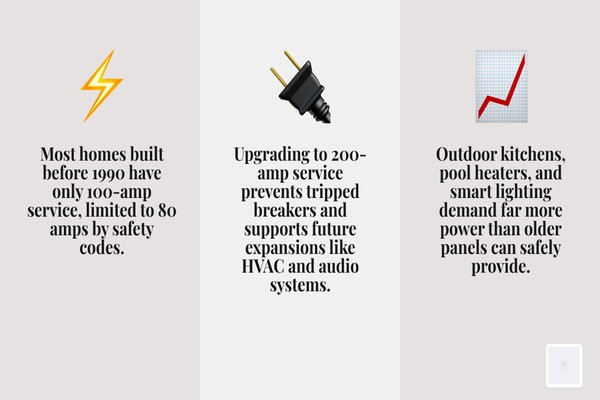
Historically, many homes were built with 100-amp electrical service, which was sufficient for the needs of the time. However, as our lives become increasingly electrified, with more appliances, smart home devices, and high-demand outdoor features, a 100-amp service often falls short. In fact, most homes built before 1990 came with 100 amp electrical service, but due to safety codes, you can only use 80 amps of that capacity. This limitation means frequent tripped breakers, flickering lights, and the inability to run multiple appliances simultaneously.
Upgrading to a 200-amp service panel is not merely about increasing capacity; it’s about future-proofing your home and ensuring safety. A 200-amp service provides ample power for today’s energy-hungry devices and allows for future expansion without overloading your system. This is particularly crucial when considering major additions like an outdoor kitchen, which might include a refrigerator, grill lights, outlets for blenders, and potentially a dedicated circuit for a pizza oven. Similarly, a pool or hot tub installation often requires substantial power, as do advanced residential HVAC systems that extend comfort to outdoor enclosures.
The process of installing a new 200 amp service panel ensures that your entire property, including your outdoor living areas, has a stable and safe power supply. This upgrade is a foundational step in any significant home renovation or outdoor transformation project. It’s an investment that pays dividends in convenience, safety, and property value. For a comprehensive understanding of what such an upgrade entails, exploring resources on residential electrical panel upgrade can be very beneficial.
Integrating Smart Technology into Outdoor Living and Landscape Design
The integration of smart technology has revolutionized how we interact with our outdoor spaces, transforming them into intelligent, responsive environments. Automated lighting systems can be programmed to illuminate pathways at dusk or create dynamic ambiance for evening gatherings. Smart irrigation systems optimize water usage based on weather data and soil moisture, ensuring lush landscapes while conserving resources. Outdoor audio systems deliver high-fidelity sound, seamlessly controlled from a smartphone.
These technologies, while enhancing convenience and enjoyment, collectively increase the electrical load. Wi-Fi extenders are often necessary to ensure reliable connectivity across larger outdoor areas, and weather-resistant outlets with GFCI (Ground Fault Circuit Interrupter) protection are essential for safety and functionality, allowing for temporary use of various electrical tools and devices. Each of these elements requires a dedicated and stable power supply, making a 200-amp service not just a luxury, but a necessity. Without sufficient capacity, you risk compromising the performance and safety of these advanced systems. Understanding the full scope of electrical services available can help you plan for these modern integrations.
Sustainable Trends in Outdoor Living and Landscape Design
Beyond smart technology, sustainable trends are also shaping outdoor living spaces. These trends often aim to minimize environmental impact while maximizing aesthetic appeal and functionality. Native plants, for instance, reduce water consumption and support local ecosystems. Permeable pavers help manage stormwater runoff, preventing erosion and recharging groundwater.
Electrically, the focus shifts to energy efficiency and renewable sources. LED lighting, a cornerstone of sustainable outdoor design, dramatically reduces energy consumption compared to traditional incandescent bulbs. Solar integration, whether through standalone solar garden lights or more comprehensive solar panel systems that offset household electricity use, is becoming increasingly popular. Rainwater harvesting systems, while primarily plumbing-related, may require electrical pumps for distribution. Even eco-friendly materials, when used in conjunction with power tools for installation or maintenance, benefit from a robust electrical supply. These sustainable choices not only benefit the environment but also contribute to long-term cost savings and enhanced property value.
Technical Requirements for High-Demand Outdoor Features
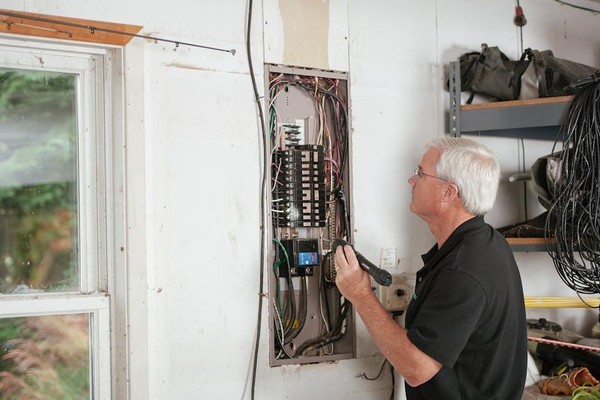
When planning for high-demand outdoor features, understanding the technical requirements of your electrical system is paramount. This involves navigating the National Electrical Code (NEC) and ensuring all components, from wiring to panels, meet stringent safety and performance standards. A common question arises when considering a new 200-amp subpanel: what wire size is needed?
For a 200-amp subpanel feeder in a dwelling, 4/0-4/0-4/0-2/0 Aluminum SE-R cable is frequently specified. This configuration typically includes three 4/0 AWG aluminum conductors for the two hot legs and the neutral, and one 2/0 AWG aluminum conductor for the ground. The adequacy of 4/0 aluminum wire for 200-amp feeders in dwellings is a point of discussion, but the NEC provides specific allowances. NEC 310.15(B)(7) (now often referenced as 310.12(C) in newer code cycles) allows for a reduction in the required ampacity for service and feeder conductors supplying the entire dwelling unit. This section permits 4/0 AWG aluminum conductors, which are rated at 180A in the 75°C column, to be used for a 200-amp service or feeder due to the application of an 83% derating factor (180A / 0.83 = ~216A, meaning 180A is sufficient for a 200A service/feeder). This means that while 4/0 Al wire is rated for 180A, it is considered code-compliant for a 200A dwelling feeder because the code accounts for the typical diversified load in residential settings. You can find more detailed interpretations on this, such as those provided by the NCDoI/SFM interpretation.
When installing a subpanel, a crucial consideration is whether to use a separate 200-amp breaker in the main panel or a subfeed lug kit. If your main panel is already 200-amp and you’re adding a 200-amp subpanel, you can often use subfeed lugs if the main panel is designed to accommodate them. These lugs tap directly into the main bus bars, allowing the upstream main breaker to protect both the main panel and the subpanel. If subfeed lugs are not an option or if you prefer a dedicated overcurrent protection for the subpanel, a 200-amp two-pole breaker would be installed in the main panel.
The handling of grounding and neutral is another critical distinction between the main panel and a subpanel. In the main service panel, the neutral and ground are bonded together. However, in a subpanel, the neutral and ground must always be kept separate. This means the neutral conductors terminate on an isolated neutral bar, and the grounding conductors terminate on a separate ground bar, which is bonded to the subpanel’s metal enclosure. A separate grounding electrode conductor (connected to ground rods, for example) is not typically required at the subpanel itself if it’s in the same building as the main service; the ground wire in the feeder cable from the main panel provides the necessary grounding path. However, if the subpanel is in a detached structure, it will require its own grounding electrodes (e.g., two ground rods at least six feet apart) and the neutral and ground must still be kept separate. For more information on proper wiring, you can refer to guides on 200-amp breaker box wiring.
Local codes can significantly affect installation. For example, in areas like Cincinnati, Ohio, specific local amendments or interpretations of the NEC might apply, such as requirements for conduit types, burial depths for underground feeders, or specific inspection procedures. Always consult with your local building department or a licensed electrician familiar with Cincinnati codes to ensure compliance.
Regarding the physical components, panels like Homeline HOMC30UC or Eaton BRP40B200V25 are examples of common 200-amp main or subpanels. A 200-amp panel can have 40 to 42 slots if single-pole breakers are used, or 20 slots assuming all double-pole breakers. This provides ample space for a wide array of circuits needed for a modern home and its outdoor amenities.
While a 200-amp subpanel offers maximum flexibility, sometimes a smaller subpanel (e.g., 100A or 125A) might suffice, especially if the outdoor loads are primarily 120V and total demand is not excessively high. A thorough load calculation is essential to determine the appropriate size. For instance, a 65A subpanel might be sufficient for all non-240V loads in a typical home, allowing larger 240V loads to remain on the main panel. This can be a cost-effective alternative to a full 200A subpanel if the projected load does not warrant it.
Feature 100-Amp Capacity (Approx.) 200-Amp Capacity (Approx.) Outdoor Kitchen Basic (small grill, lights) Full (grill, fridge, outlets, oven) Pool Heater Small electric or gas Large electric (up to 50A) Hot Tub Small (20-30A) Large (40-60A) EV Charger Not recommended Level 2 (30-50A) Landscape Lighting Extensive LED Extensive LED + features Irrigation System Standard controller Advanced, multi-zone Outdoor Audio Basic system High-fidelity, multi-zone Total Available Amps (Continuous) 80 Amps (80% rule) 160 Amps (80% rule) Planning and Executing a Professional Landscape Transformation
Transforming your residential landscape into a functional outdoor living space is a multi-faceted project that requires meticulous planning and expert execution. It’s not just about aesthetics; it’s about creating a safe, durable, and code-compliant environment that enhances your lifestyle.
The first critical step is a comprehensive site assessment. This involves evaluating your property’s topography, soil conditions, existing utilities, and sun exposure. A professional assessment will identify potential challenges, such as drainage issues or unsuitable ground for heavy structures, and inform the design process.
Next, permit acquisition and utility coordination are non-negotiable. Any significant electrical work, including the installation of a new 200-amp service panel or subpanel, requires permits from your local building department. These permits ensure that the work adheres to the NEC and local codes, protecting both your property and its occupants. Utility coordination is also essential, as the power company will need to temporarily disconnect and later reconnect your service for major electrical upgrades. This typically requires advance notice, often 5-10 business days. Neglecting these steps can lead to costly rework, fines, and safety hazards.
Hardscaping elements, such as patios, walkways, retaining walls, and outdoor kitchens, form the backbone of your outdoor living space. These require careful planning for structural integrity and proper installation. Softscaping, which includes planting trees, shrubs, and flowers, adds beauty and ecological value. Drainage solutions, like French drains or permeable surfaces, are vital to prevent water damage and maintain the longevity of your outdoor features.
Throughout this process, professional inspection is crucial. The work must be inspected at various stages (e.g., rough-in electrical, final electrical, structural) to ensure compliance. This is where the expertise of licensed contractors becomes invaluable. A licensed electrician will ensure your new 200-amp service panel is installed correctly, safely, and to code. Similarly, a reputable landscape contractor will oversee the hardscaping, softscaping, and drainage, ensuring a cohesive and functional design.
Scientific research reveals that proper installation by qualified professionals dramatically reduces electrical fire risks. An overloaded electrical system is one of the leading causes of house fires, and attempting complex electrical work as a DIY project without proper knowledge and permits can have catastrophic consequences. We strongly advise against DIY electrical panel upgrades. Instead, engage a qualified and insured professional. When looking for assistance, consider reaching out to top-rated electrical contractors near me to ensure your project is handled safely and effectively.
Investment, ROI, and Maintenance of Outdoor Spaces
Investing in a well-designed and properly powered outdoor living space goes beyond immediate enjoyment; it significantly impacts your property value, curb appeal, and even insurance premiums. A modern, functional outdoor area, supported by an upgraded 200-amp electrical service, is a major selling point for potential buyers. It signals a well-maintained home that is ready for contemporary living.
Upgrading your electrical service can also positively influence your homeowner’s insurance. Insurers often view updated electrical systems, especially those meeting current safety codes, as a reduced risk, which can lead to lower premiums. Conversely, an outdated or overloaded electrical system can be a red flag, potentially increasing insurance costs or even leading to coverage issues in the event of an electrical incident. According to the U.S. Fire Administration, residential electrical fires are a significant concern, and proper installation by qualified professionals dramatically reduces these risks. For more information on residential electrical fire statistics, you can visit the Scientific research on residential electrical fires page.
Beyond the initial investment, seasonal maintenance is key to preserving the beauty and functionality of your outdoor space. This includes routine checks of electrical components, such as GFCI outlets and lighting fixtures, to ensure they remain weather-resistant and operational. Landscaping requires ongoing care, from pruning and weeding to irrigation system adjustments. Regular maintenance not only extends the life of your outdoor features but also helps retain the value added by your initial investment. Understanding the cost to change electrical panel is a good starting point for budgeting these improvements.
Estimating Project Costs and Value
The cost of transforming your residential landscape into a functional outdoor living space can vary widely depending on the scope, materials, and regional labor rates. While we cannot provide exact figures for your specific project, we can offer general internet-based average costs to help you with initial budget planning. These are estimates and actual costs may differ.
Here’s a breakdown of common cost components:
- Electrical Service Upgrades: Upgrading to a 200-amp service, or installing a new subpanel, typically ranges from $1,500 to $6,500+. This includes the panel, wiring, labor, permits, and utility coordination. Factors like the complexity of the existing system, the distance from the meter, and any necessary trenching for outdoor feeders can influence this cost.
- Hardscape Materials and Labor: This category covers elements like patios, outdoor kitchens, fire pits, and retaining walls. Costs can range from $5,000 to $25,000+, depending on the size, chosen materials (e.g., concrete, pavers, natural stone), and the intricacy of the design.
- Professional Design Fees: Engaging a landscape architect or designer for a comprehensive plan can cost between $1,000 and $5,000+, though this investment often saves money in the long run by preventing costly mistakes and ensuring a cohesive vision.
Note: These figures are average costs based on internet data and are not actual costs for Tranni Home Remodeling.
The long-term Return on Investment (ROI) for outdoor living spaces is generally strong. While ROI can fluctuate based on market conditions and the quality of the installation, well-executed outdoor projects often recoup a significant portion, if not all, of their cost at resale. Features like outdoor kitchens, fire pits, and enhanced lighting are particularly attractive to homebuyers. Moreover, the intangible benefits-increased enjoyment, expanded living space, and improved quality of life-are often priceless.
Frequently Asked Questions about Outdoor Electrical Systems
When considering an electrical upgrade for your outdoor living space, several common questions arise. We aim to clarify these to help you make informed decisions.
Is it legal and safe to feed a 200-amp subpanel from a 200-amp main panel?
Yes, it is both legal and safe, provided the installation adheres strictly to the National Electrical Code (NEC) and local regulations. A 200-amp main panel can absolutely feed a 200-amp subpanel. The key is that the subpanel must be properly protected. This typically means installing a 200-amp two-pole circuit breaker in the main panel to serve as the feeder breaker for the subpanel. Alternatively, if the main panel is equipped with subfeed lugs, these can be used to tap directly into the main bus bars, and the main breaker of the primary panel would then provide the overcurrent protection for both the main and subpanels. Proper load calculations are crucial to ensure that the total demand on the main service does not exceed its 200-amp capacity, even if you have multiple panels. This ensures you can effectively increase your breaker panel’s power limit safely.
What wire size is required for a 200-amp subpanel feeder?
For a 200-amp subpanel feeder in a residential dwelling, the NEC allows for specific wire sizes that might seem counter-intuitive at first glance. For aluminum conductors, 4/0-4/0-4/0-2/0 Aluminum SE-R cable is commonly used. This refers to three 4/0 AWG aluminum conductors (two ungrounded or “hot” conductors and one neutral conductor) and one 2/0 AWG aluminum conductor for the equipment grounding conductor.
The reason 4/0 AWG aluminum, which has a standard ampacity rating of 180 amps (at 75°C), is permitted for a 200-amp feeder in a dwelling is due to NEC 310.15(B)(7) (or 310.12(C) in newer code versions). This section provides specific allowances for service and feeder conductors for dwelling units, recognizing that residential loads are typically diversified and rarely draw their full rated capacity continuously. This rule essentially permits the use of conductors with a lower ampacity rating than the service or feeder overcurrent device, provided they meet certain criteria, effectively allowing 4/0 AWG aluminum for a 200-amp service or feeder.
Can an existing 100-amp main panel be converted into a subpanel?
Yes, an existing 100-amp main panel can often be repurposed as a subpanel during a 200-amp service upgrade. This is a common and cost-effective strategy, especially if the existing panel is in good condition and has sufficient space for the circuits it will continue to serve.
The conversion process involves several critical steps:
- New Main Service: A new 200-amp main service panel (or a meter/main combo with feed-through lugs) will be installed to handle the increased capacity.
- Feeder to Old Panel: The original 100-amp panel will then be fed from a new 100-amp two-pole circuit breaker installed in the new 200-amp main panel.
- Four-Wire Feed: A four-wire feeder cable (two hot, one neutral, one ground) must be run from the new main panel to the old panel.
- Separate Neutral and Ground: Critically, in the converted 100-amp subpanel, the neutral and ground conductors must be separated. This means removing the main bonding jumper (a screw or strap) that previously connected the neutral bar to the panel enclosure and the ground bar. A separate ground bar must be installed if one doesn’t already exist, and all grounding conductors must be moved to this new ground bar, which is bonded to the panel enclosure. The neutral conductors remain on the isolated neutral bar. This ensures that the subpanel maintains a safe and code-compliant separate neutral and ground path, preventing dangerous current flows on the grounding system.
- Relabeling: All circuits should be clearly relabeled to reflect their new configuration and the panel’s role as a subpanel.
This approach allows you to efficiently utilize existing equipment while benefiting from the increased capacity of a new 200-amp service. For homes with older, potentially unsafe panels like Federal Pacific Electric Panel models, upgrading the main service and converting existing panels (or replacing them entirely) is a critical safety upgrade.
Conclusion
Transforming your residential landscape into a functional outdoor living space is an exciting endeavor that promises to enhance your lifestyle and increase your home’s value. From gourmet outdoor kitchens to smart lighting and audio systems, the possibilities are vast. However, the foundation of any successful and safe outdoor transformation lies in a robust and compliant electrical infrastructure, often necessitating the installation of a new 200-amp service panel.
We’ve explored the crucial role of this electrical upgrade in supporting modern amenities, integrating smart technologies, and aligning with sustainable design trends. We’ve delved into the technical requirements, emphasizing the importance of NEC compliance, proper wire sizing (like 4/0 Aluminum SE-R), and correct grounding and neutral separation in subpanels. The planning and execution phases, from permit acquisition and utility coordination to professional installation and inspection, are paramount for safety and longevity.
While the investment in such a project is significant, the long-term ROI, increased property value, enhanced curb appeal, and peace of mind from a safe, future-proof electrical system make it a worthwhile undertaking. Electrical work of this magnitude is not a DIY project. Engaging licensed and experienced professionals ensures that your outdoor oasis is not only beautiful and functional but also built to the highest safety standards. Embrace the possibilities of holistic design and professional craftsmanship to create an outdoor living space that truly transforms your home and lifestyle.
