
Identifying Common Rodent Threats in East Texas
Rodent Control Lufkin TX
Rodents pose a significant, year-round challenge for homes and businesses in Lufkin, TX. These unwelcome guests can cause considerable property damage, contaminate food sources, and spread diseases, creating serious health risks for families and pets. Dealing with a rodent infestation requires a strategic approach. It is not just about removing the pests. We must also prevent their return. This guide will help you understand the signs of rodent activity and explore effective, safe strategies for rodent control in Lufkin, TX, including options for Lufkin eco-friendly rodent control that protect your property, health, and the local environment. We will cover identifying common threats, benefits of eco-friendly solutions, and proactive prevention tips.
In the warm, humid climate of East Texas, particularly in Lufkin, several species of rodents commonly seek refuge and resources within human dwellings and commercial establishments. Understanding these common rodent threats is the first step toward effective control and prevention. The primary culprits we often encounter are roof rats, Norway rats, and house mice, each with distinct characteristics and behaviors that influence how they interact with our properties.
Roof Rats (Rattus rattus) Also known as black rats or ship rats, roof rats are agile climbers, often found in elevated areas of structures. True to their name, they prefer to nest in attics, ceilings, walls, and sometimes in dense vegetation or trees around a property. They are typically sleek with large ears and a long, scaly tail that is usually longer than their body and head combined. In Lufkin, their presence is often indicated by scratching or scurrying noises heard in the upper levels of a home or business, especially at night. They are omnivores but tend to prefer fruits, nuts, and seeds. Their nesting habits in high places make them a particular concern for electrical wiring, as they can gnaw through insulation, creating fire hazards.
Norway Rats (Rattus norvegicus) Often called brown rats or sewer rats, Norway rats are larger and stockier than roof rats, with smaller ears and a tail that is shorter than their head and body. Unlike their climbing counterparts, Norway rats are burrowers. They prefer to nest in lower areas, such as basements, crawl spaces, foundations, and underground burrows. Outside, they might be found in garbage piles, woodpiles, or along riverbanks. Their presence in Lufkin homes and businesses is often signaled by gnaw marks on lower walls, pipes, or stored goods, as well as distinct burrows around the property’s exterior. They are also omnivores, consuming a wide variety of foods, with a preference for meat, fish, and grains. Their constant gnawing can damage plumbing, utility lines, and structural elements.
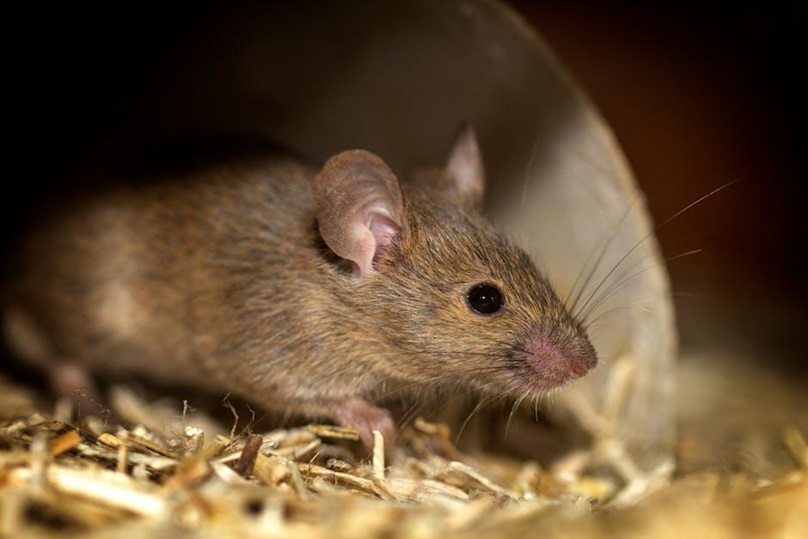
House Mice (Mus musculus) House mice are much smaller than rats, typically weighing less than an ounce. They have relatively large ears and small, beady eyes. Their fur color can vary from light brown to gray. These highly adaptable rodents can squeeze through incredibly small openings, often as tiny as a dime, making them incredibly difficult to keep out. They are prolific breeders, meaning a small mouse problem can quickly escalate into a significant infestation. House mice are curious and tend to make numerous small droppings in various locations, unlike rats who often deposit larger droppings in specific areas. They are primarily seed and grain eaters but will consume almost anything available. Their nesting habits can be found in any secluded, undisturbed area, including cabinets, drawers, wall voids, and even inside appliances.
Signs of Infestation and Property Damage
Regardless of the species, the signs of a rodent infestation are often similar and demand prompt attention. These include:
- Gnaw Marks: Rodents constantly gnaw to keep their incisors trimmed. Look for fresh gnaw marks on wood, plastic, wires, pipes, and food packaging.
- Droppings: Small, pellet-shaped droppings are a clear indicator. Their size and shape vary by species (mice droppings are tiny, rat droppings are larger).
- Nesting Materials: Shredded paper, fabric, insulation, or other soft materials indicate nesting sites.
- Rub Marks: Greasy rub marks or smudge marks along walls and baseboards are left by rodents as they travel along established paths.
- Scratching or Scurrying Noises: Nocturnal activity often reveals their presence, especially in quiet areas like attics or wall voids.
- Stale Odors: A persistent, musky odor can indicate a heavy infestation.
The property damage caused by rodents extends beyond mere annoyance. Their gnawing can compromise the structural integrity of buildings, damage electrical wiring leading to potential fires, and destroy insulation, impacting energy efficiency. Food contamination is a significant health risk, as rodents can carry and transmit numerous diseases through their urine, feces, and saliva.
Understanding these common rodent threats and recognizing the early signs of their presence is crucial for Lufkin homeowners and businesses. Early detection allows for a more targeted and effective response, minimizing potential damage and health risks.
The Benefits of Choosing Eco-Friendly Pest Control
When faced with a rodent infestation in Lufkin, the choice of pest control method is paramount, not just for immediate eradication but also for the long-term health and safety of your family, pets, and the environment. We advocate for eco-friendly pest control solutions, which offer a multitude of benefits over traditional chemical-heavy approaches. These methods prioritize sustainability, safety, and effectiveness, providing peace of mind without compromising results.
Non-Toxic Solutions and Botanical Treatments
At the heart of eco-friendly pest control are non-toxic solutions and botanical treatments. Unlike conventional pesticides that often rely on synthetic chemicals, eco-friendly options utilize naturally derived ingredients, plant extracts, and other low-impact materials. These may include essential oils, diatomaceous earth, or biological controls that target pests specifically while remaining harmless to humans, pets, and beneficial insects. For instance, instead of broad-spectrum poisons, we might employ advanced trapping techniques or natural deterrents that effectively manage rodent populations.
Environmental Stewardship
Choosing eco-friendly rodent control is a commitment to environmental stewardship. Traditional rodenticides can have devastating effects on non-target wildlife, including predators like owls, hawks, and even household pets, through secondary poisoning. When a rodent consumes a toxic bait and then becomes prey, the poison can transfer up the food chain. Eco-friendly methods significantly reduce this risk, helping to maintain the delicate ecological balance in Lufkin’s diverse environment. We aim to solve your pest problem without inadvertently harming the local ecosystem.
Reduced Chemical Exposure and Enhanced Safety
One of the most compelling advantages of eco-friendly solutions is the drastic reduction in chemical exposure for your household or business occupants. This is particularly important for homes with young children, pregnant individuals, or pets, who are more vulnerable to the adverse effects of synthetic chemicals. By minimizing the use of harsh substances, we create a safer indoor environment, free from lingering chemical residues and odors. This approach ensures that your living and working spaces remain healthy and comfortable, allowing you to breathe easier knowing that the treatments applied are safe for everyone.
Long-Term Sustainability and Beneficial Insect Protection
Eco-friendly pest control is designed for long-term sustainability. Rather than merely reacting to an infestation with potent chemicals, these methods focus on understanding and disrupting the pest’s life cycle and habitat. This often involves preventative measures and exclusion techniques that provide lasting protection. Furthermore, by opting for targeted, non-toxic treatments, we can protect beneficial insects like bees and ladybugs, which are vital for local pollination and natural pest control. This holistic view contributes to a healthier, more resilient environment around your Lufkin property.
Embracing eco-friendly rodent control means choosing a path that respects both your immediate needs for pest eradication and your long-term commitment to a healthy, safe, and sustainable living or working environment. It’s about achieving effective results through methods that are smart, responsible, and forward-thinking.
Integrated Pest Management: A Holistic Strategy
Integrated Pest Management (IPM) represents a sophisticated and holistic approach to pest control, moving beyond simple extermination to a comprehensive strategy that emphasizes prevention, long-term solutions, and minimal environmental impact. For rodent control in Lufkin, TX, IPM is particularly effective because it addresses the root causes of infestations, rather than just treating the symptoms. We believe this strategy offers the most sustainable and effective way to manage rodent populations.
IPM Principles
The core of IPM involves a multi-faceted approach that considers the pest’s biology, its environment, and the available control methods. It’s about making informed decisions to manage pests in an economically sound and environmentally responsible manner. For rodent control, this translates into several key principles:
- Inspection and Identification: Thoroughly inspecting the property to identify the specific rodent species, assess the extent of the infestation, and pinpoint entry points and nesting sites.
- Monitoring: Continuously tracking rodent activity to determine population levels and the effectiveness of control measures.
- Action Thresholds: Deciding when and where to intervene based on the level of infestation and the potential risks.
- Control Methods: Employing a combination of strategies, prioritizing non-chemical methods first, and using pesticides only as a last resort and in a highly targeted manner.
Habitat Modification
A cornerstone of IPM is habitat modification. This involves altering the environment around your home or business to make it less appealing or accessible to rodents. For Lufkin properties, this might include:
- Clearing Clutter: Removing debris, woodpiles, overgrown vegetation, and other potential hiding spots near foundations.
- Proper Storage: Storing food, pet food, and garbage in sealed, rodent-proof containers.
- Moisture Control: Repairing leaky pipes, ensuring proper drainage, and reducing standing water, as rodents need water to survive.
Exclusion Techniques and Entry Point Sealing
Perhaps the most critical aspect of IPM for rodent control is exclusion – physically preventing rodents from entering structures. We meticulously inspect properties to identify and seal potential entry points. Rodents can squeeze through surprisingly small gaps: mice through openings as small as a dime, and young rats through spaces the size of a quarter. Common entry points include:
- Cracks in foundations and walls
- Gaps around utility pipes and wires
- Unsealed vents and dryer exhausts
- Loose-fitting doors and windows
- Openings under eaves and around rooflines
Sealing these entry points with durable, rodent-proof materials like steel wool, hardware cloth, or cement is essential for long-term prevention.
Sanitation Protocols
Maintaining high standards of sanitation significantly reduces the attractiveness of a property to rodents. This involves:
- Regular Cleaning: Keeping kitchens clean, wiping up crumbs, and washing dishes promptly.
- Waste Management: Storing garbage in tightly sealed bins and emptying them regularly.
- Outdoor Maintenance: Ensuring outdoor eating areas are cleaned, and pet food is not left out overnight.
Monitoring Stations
Even after exclusion and sanitation measures are in place, monitoring stations can be strategically placed to detect any new rodent activity. These stations might include traps or bait stations (used responsibly and safely) that allow us to confirm the absence of rodents or quickly identify new incursions.
Comparing Reactive Treatments vs. Proactive Exclusion
To illustrate the power of IPM, consider this comparison:
Feature Reactive Treatments (Traditional) Proactive Exclusion (IPM) Primary Goal Eliminate existing pests quickly Prevent pests from entering and establishing Approach Chemical application, traps for current infestation Habitat modification, sealing entry points, sanitation, monitoring Longevity Often temporary; pests may return Long-term prevention; reduces future infestations Safety Higher risk of chemical exposure to non-target organisms Minimal chemical use; safer for people, pets, and environment Cost-Effectiveness Recurring costs for repeated treatments Higher initial investment for exclusion, lower long-term costs Environmental Impact Potential for widespread environmental contamination Minimized environmental footprint Focus Symptom management Root cause elimination By integrating these strategies, IPM provides a robust defense against rodents, ensuring your Lufkin property remains pest-free through intelligent, sustainable practices. We believe in empowering homeowners with knowledge and implementing solutions that work with nature, not against it.
Proactive Prevention Tips for Lufkin Homeowners
While professional rodent control services are invaluable for managing existing infestations, proactive prevention is the most effective long-term strategy for Lufkin homeowners. By implementing a few key measures, you can significantly reduce the likelihood of rodents finding your home an attractive place to live. These tips focus on making your property less accessible and less appealing to these unwelcome guests.
Seal and Secure Entry Points
Rodents are masters at finding their way indoors. We cannot overstate the importance of sealing even the smallest cracks and openings.
- Weatherstripping and Door Sweeps: Ensure all exterior doors have tight-fitting weatherstripping and door sweeps to prevent rodents from slipping underneath.
- Gaps Around Utilities: Inspect around pipes, wires, and vents that enter your home. Seal any gaps with appropriate materials like steel wool (which rodents can’t chew through), caulk, or expanding foam.
- Foundation Cracks: Repair any cracks or holes in your home’s foundation.
- Window Screens: Ensure all window screens are intact and fit snugly.
- Roof and Attic Vents: Cover all attic and crawl space vents with hardware cloth.
- Chimney Caps: Install a chimney cap to prevent rodents (and other wildlife) from entering through the flue.
Proper Food Storage
Food is a primary motivator for rodents to enter your home. Eliminating easily accessible food sources is crucial.
- Airtight Containers: Store all dry foods, including pet food, in sturdy, airtight containers made of glass, metal, or thick plastic. Rodents can chew through cardboard and thin plastic bags.
- Cleanliness: Keep kitchen counters, floors, and dining areas clean and free of crumbs and food spills.
- Garbage Management: Use trash cans with tight-fitting lids, both indoors and outdoors. Empty indoor trash frequently.
- Pet Food: Do not leave pet food out overnight, especially outdoors.
Lawn and Landscape Maintenance
Your yard can provide shelter and food for rodents, drawing them closer to your home. Regular maintenance can deter them.
- Trim Vegetation: Keep shrubs, trees, and vines trimmed away from your home’s exterior walls and roofline. These can serve as “bridges” for climbing rodents like roof rats.
- Firewood Placement: Store firewood at least 20 feet away from your house and off the ground (on a rack) to prevent it from becoming a rodent harborage.
- Gutter Cleaning: Keep gutters clean and free of debris. Clogged gutters can create standing water and damp conditions that attract pests.
- Debris Removal: Remove any piles of leaves, brush, or other yard debris, as these provide excellent nesting and hiding spots.
Attic and Storage Inspections
These areas are often overlooked but are prime locations for rodent activity.
- Regular Attic Inspections: Periodically inspect your attic for signs of rodents, such as droppings, gnaw marks, or disturbed insulation.
- Declutter Storage Areas: Keep basements, garages, and storage sheds organized and clutter-free. Stored items should be off the floor and away from walls if possible.
By consistently applying these proactive prevention tips, Lufkin homeowners can create a less inviting environment for rodents, significantly reducing the risk of an infestation. A little effort in prevention can save a lot of trouble and expense in remediation.
Frequently Asked Questions about Rodent Management
We understand that dealing with rodents can be concerning, and many questions arise regarding their control and prevention. Here, we address some of the most common inquiries we receive from Lufkin residents.
What are the primary signs of a rodent infestation in Lufkin?
Identifying a rodent infestation early is key to effective management. The primary signs to look for in your Lufkin home or business include:
- Droppings: This is often the most obvious sign. Mouse droppings are small (about the size of a grain of rice), while rat droppings are larger (like a small bean). You’ll find them near food sources, in cabinets, along walls, or in nesting areas.
- Scratching Noises: Rodents are nocturnal, so you’re most likely to hear scratching, gnawing, or scurrying sounds in walls, ceilings, or attics, especially at night.
- Nesting Materials: Look for shredded paper, fabric, insulation, or other soft materials, which rodents use to build nests in secluded spots.
- Rub Marks: Greasy, dark smudges or rub marks along baseboards, walls, or pipes indicate pathways where rodents frequently travel, as oils and dirt from their fur transfer to surfaces.
- Chewed Wiring or Damage: Rodents constantly gnaw to keep their teeth sharp. You might find gnaw marks on electrical wires (a fire hazard), plastic pipes, wooden structures, or food packaging.
- Stale Odors: A persistent, musky smell, particularly in enclosed areas like pantries or behind appliances, can indicate a heavy rodent presence due to their urine and droppings.
If you observe any of these signs, it’s crucial to act quickly to prevent the infestation from growing.
Is eco-friendly pest control as effective as traditional methods for rats?
Yes, eco-friendly pest control can be just as, if not more, effective than traditional methods for managing rats and other rodents, especially when implemented as part of an Integrated Pest Management (IPM) strategy. The effectiveness stems from several key aspects:
- Targeted Applications: Eco-friendly methods often involve a more precise and targeted approach. Instead of broadcasting chemicals, we focus on specific rodent pathways, entry points, and nesting sites. This ensures maximum impact on the pests while minimizing exposure to non-target areas.
- Behavioral Science: Eco-friendly strategies leverage our understanding of rodent behavior. This includes using advanced trapping techniques that exploit their natural curiosity or aversion, and deploying deterrents that discourage their presence without relying on harmful toxins.
- Sustainable Results: While traditional methods might offer a quick knockdown, eco-friendly approaches prioritize long-term, sustainable results. By focusing on exclusion, sanitation, and habitat modification, we prevent future infestations rather than just eliminating current ones. This proactive stance leads to lasting relief.
- Population Management: Effective eco-friendly rodent control aims for comprehensive population management. This means not only removing existing rodents but also implementing measures that make it difficult for new populations to establish themselves.
- Preventative Focus: The strong preventative focus of eco-friendly methods ensures that your property is continuously protected. We aim to create an environment where rodents simply cannot thrive, making it a less appealing target in the first place.
When properly executed by experienced professionals, eco-friendly rodent control provides a powerful and responsible solution for Lufkin residents, delivering peace of mind without compromising on effectiveness.
How does eco-friendly pest control protect my pets and family?
Protecting your pets and family is a top priority, and eco-friendly pest control methods are specifically designed with this in mind. They offer significant advantages in terms of safety compared to conventional chemical treatments:
- Low-Impact Materials: Eco-friendly solutions utilize materials that are inherently less toxic to mammals. This means that even if a pet or child were to come into contact with a treated area, the risk of adverse reactions is dramatically reduced. We prioritize botanical-based products, natural deterrents, and mechanical controls (like traps) that pose minimal threat.
- Pet-Safe Barriers: When necessary, we employ pet-safe barriers and placement strategies for any control devices. For example, bait stations are often tamper-resistant and placed in areas inaccessible to pets and children, ensuring that only the target pests can reach them.
- Child-Friendly Protocols: Our protocols are developed to ensure the safety of children. This includes clear communication about treatment areas, using products with minimal odor, and applying treatments during times when children are less likely to be present. The goal is to eliminate pests without disrupting your family’s routine or exposing them to unnecessary risks.
- Reduced Allergens and Irritants: Traditional pesticides can sometimes trigger allergies or respiratory issues in sensitive individuals. Eco-friendly options often contain fewer harsh chemicals, reducing the presence of potential allergens and irritants in your home’s air and surfaces.
- Peace of Mind: Choosing eco-friendly pest control provides invaluable peace of mind. Knowing that your home is being protected from rodents using methods that are safe for your loved ones and the environment allows you to relax and enjoy your living space without worry.
We are committed to providing effective rodent control solutions that prioritize the health and safety of your household, demonstrating that powerful pest management can go hand-in-hand with environmental responsibility.
Conclusion
Navigating the challenges of rodent control in Lufkin, TX, requires a comprehensive and thoughtful strategy. As we’ve explored, understanding the specific rodent threats common to East Texas, recognizing the early signs of an infestation, and embracing proactive prevention are all critical steps. However, the most effective and responsible approach often lies in partnering with professionals who specialize in eco-friendly and integrated pest management solutions.
Our commitment to community health and property preservation drives us to implement methods that are not only highly effective but also safe for your family, pets, and the environment. By choosing sustainable practices, we contribute to the long-term well-being of Lufkin, ensuring that our beautiful East Texas environment remains vibrant and healthy. From implementing habitat modifications and exclusion techniques to utilizing low-impact treatments, our professional expertise ensures year-round protection against rodents.
Sustainable living means making choices that benefit both the present and the future. When it comes to rodent control, this translates into opting for solutions that eliminate pests without introducing unnecessary risks. Let us work together to safeguard your home or business, ensuring a pest-free environment and fostering a safer, healthier Lufkin for everyone.
