
The Role of Professional Maintenance in Commercial HVAC Systems
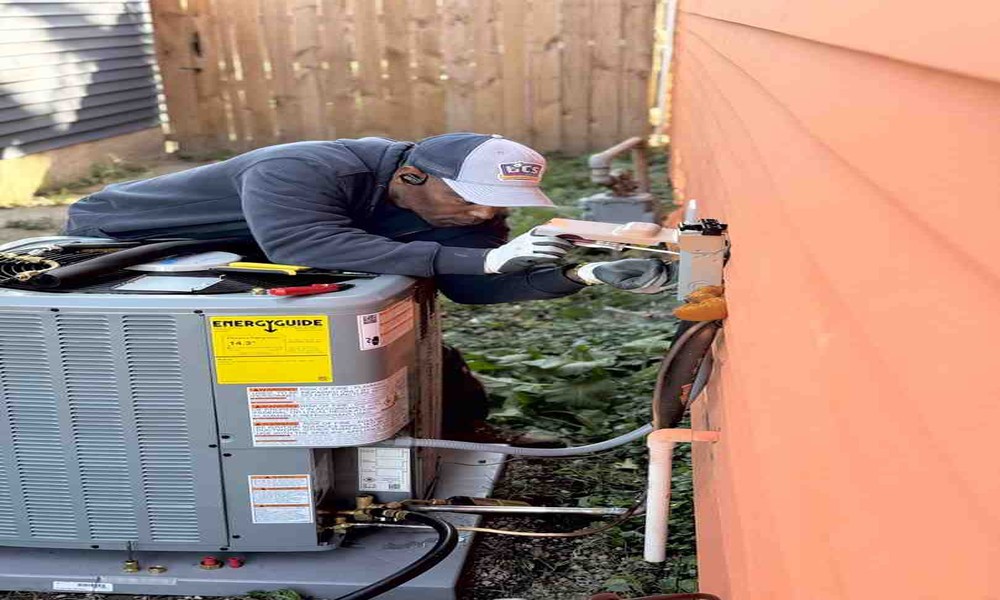
For businesses in Carmel, IN, a properly functioning commercial HVAC system isn’t just about comfort; it’s a critical component of operational success, employee productivity, and customer satisfaction. The foundation of such reliability lies in professional maintenance. When you engage a certified commercial HVAC system technician, you’re investing in more than just a repair; you’re securing a partnership dedicated to preventative care, extended equipment lifespan, and stringent safety compliance.
Technicians who hold certifications such as NATE (North American Technician Excellence) demonstrate a superior level of knowledge and skill, having passed rigorous tests covering a broad range of HVAC technologies. This ensures they possess the expertise required to handle the complexities of commercial-grade systems, from intricate control mechanisms to large-scale cooling and heating units. Their preventive care approach is designed to identify potential issues before they escalate into costly breakdowns, proactively address wear and tear, and fine-tune systems for optimal performance. This foresight translates directly into an extended equipment lifespan, delaying premature replacements and maximizing your initial investment.
Beyond mere functionality, professional maintenance ensures operational reliability. Commercial environments often have unique demands, whether it’s maintaining precise temperatures for sensitive equipment, ensuring fresh air circulation in high-occupancy spaces, or managing humidity levels for product integrity. Certified technicians are adept at expert diagnostics, utilizing advanced tools and their deep understanding to pinpoint inefficiencies or developing faults. This meticulous approach mitigates risks associated with system failures, including business interruptions, inventory loss, and even safety hazards.
Choosing a service provider that embodies a commitment to excellence, like those offering an LCS 7-Star comfort experience, means benefiting from a comprehensive service philosophy that extends beyond technical proficiency. This level of service typically encompasses prompt response times, clear communication throughout the service process, and a deep respect for your business operations and client needs. Such a holistic approach ensures that your commercial HVAC system remains a reliable asset, contributing positively to your business’s bottom line and reputation in Carmel.
Seasonal Strategies for Carmel’s Variable Climate
Carmel, IN, located in Hamilton County, experiences the full spectrum of seasonal weather, from scorching, humid summers to freezing, often snowy winters. These dramatic temperature swings, coupled with significant humidity fluctuations, place immense demands on commercial HVAC systems. Without strategic, season-specific maintenance, businesses face increased energy costs, uncomfortable indoor environments, and a higher risk of system failures during peak demand periods. Professional technicians are crucial to implementing seasonal strategies that ensure your commercial HVAC system is always ready, optimizing performance and prolonging its lifespan.
Preparing Commercial HVAC Systems for Indiana Winters
As the crisp autumn air gives way to Indiana’s biting cold, preparing your commercial heating system becomes paramount. Furnaces, heat pumps, and boilers, common in Carmel’s commercial buildings, require thorough inspections to ensure they can withstand the winter’s chill. Technicians meticulously check ignition components for reliable startup, clean burners, and inspect heat exchangers for cracks or corrosion, which can pose serious safety risks, such as carbon monoxide leaks. For businesses using heat pumps, ensuring the defrost cycle operates correctly is vital for efficient operation in freezing temperatures. Boilers, often found in larger commercial or industrial settings, require periodic checks of pressure relief valves, water levels, and overall system integrity to prevent catastrophic failures.
Carbon monoxide safety is a non-negotiable aspect of winter HVAC preparation, especially in commercial spaces. Technicians perform combustion analysis to verify safe operation and check for proper ventilation, protecting both employees and customers.
To illustrate the considerations for winter heating, here’s a comparison of common commercial heating systems:
Feature Commercial Furnace Commercial Heat Pump Commercial Boiler Primary Fuel Source Natural Gas, Propane, Oil Electricity (moves heat, doesn’t generate) Natural Gas, Oil, Electricity Heating Mechanism Burns fuel to heat air, distributed via ducts Extracts heat from outside air (even cold), transfers indoors Heats water/steam, distributed via radiators/pipes Efficiency in Cold Consistent, but can be less efficient than heat pumps in mild cold Highly efficient in moderate cold, efficiency drops as temp falls Consistent, but can be slower to heat large spaces Maintenance Focus Burners, heat exchanger, ignition, flue Refrigerant levels, outdoor coil, defrost cycle, compressor Water levels, pressure, valves, pipes, combustion Carbon Monoxide Risk Present (if fuel-burning) None (electric operation) Present (if fuel-burning) Dual Functionality Heating only Heating and Cooling Heating only (typically) This table highlights the diverse needs of commercial heating systems, underscoring why specialized expertise is indispensable for proper winterization.
Optimizing Commercial HVAC Systems for Summer Humidity
Carmel summers bring not only high temperatures but also significant humidity, which can make indoor spaces feel muggy and uncomfortable, even at moderate temperatures. Optimizing your commercial HVAC system for these conditions involves several key steps. Technicians focus on condenser cleaning, ensuring the outdoor unit is free from debris that can impede heat exchange and force the system to work harder. Crucially, they verify refrigerant levels, as low refrigerant levels can severely impair cooling capacity and efficiency.
Cleaning indoor evaporator coils is also vital. These coils collect condensation, and if dirty, can become breeding grounds for mold and bacteria, negatively impacting indoor air quality and cooling performance. Drainage systems must be clear and functional to prevent water overflow, which can lead to structural damage or mold growth. Finally, airflow optimization, including inspecting and sealing ductwork, ensures that cooled air is distributed evenly and efficiently throughout your commercial space, preventing hot spots and maximizing cooling efficiency. Addressing these elements proactively ensures your business remains a cool, comfortable haven for employees and customers during Carmel’s humid summer months.
Advanced Technologies for Enhanced Indoor Air Quality
In today’s commercial landscape, indoor air quality (IAQ) is no longer a luxury but a fundamental expectation. For businesses in Carmel, IN, ensuring superior IAQ contributes significantly to employee well-being, productivity, and customer health. Beyond basic filtration, advanced technologies are now integral to creating truly healthy commercial environments. Certified commercial HVAC technicians are at the forefront of integrating these solutions into existing and new systems.
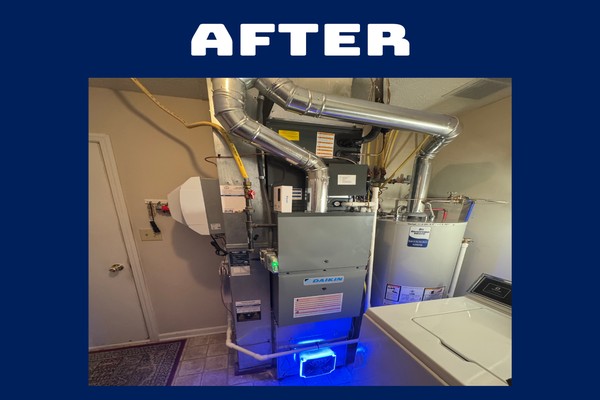
High-Efficiency Particulate Air (HEPA) filtration systems are a cornerstone of advanced IAQ. Unlike standard filters, HEPA filters are designed to capture 99.97% of airborne particles 0.3 microns in size, including dust, pollen, pet dander, and even some bacteria and viruses. Integrating commercial-grade HEPA filtration into your HVAC system can drastically reduce the concentration of these airborne pollutants, creating a cleaner, healthier atmosphere for everyone inside your building.
Another powerful technology is UV-C (ultraviolet-C) germicidal irradiation. Installed within the HVAC system’s ductwork or near the evaporator coil, UV-C lights effectively neutralize airborne pathogens, including viruses, bacteria, and mold spores, as they pass through the system. This continuous disinfection process significantly reduces the spread of illnesses and improves overall air hygiene, a critical consideration for any commercial setting.
Humidity regulation is also a key component of optimal IAQ. Excess humidity in Carmel’s summers can lead to mold growth, musty odors, and an uncomfortable environment, while overly dry air in winter can cause respiratory irritation and static electricity. Commercial-grade dehumidifiers and humidifiers, expertly integrated by HVAC technicians, maintain ideal humidity levels year-round. This not only enhances comfort but also inhibits the growth of allergens and protects sensitive equipment or inventory from moisture-related damage.
Finally, Energy Recovery Ventilation (ERV) systems represent a sophisticated approach to introducing fresh outdoor air without compromising energy efficiency. ERVs transfer heat and moisture between incoming fresh air and outgoing stale air. In summer, they pre-cool and dehumidify incoming air, reducing the load on your air conditioning. In winter, they pre-heat and humidify incoming air, lessening the burden on your heating system. This allows businesses to enjoy continuous, fresh air circulation that dilutes indoor pollutants, without the significant energy penalties associated with traditional ventilation methods. By leveraging these advanced technologies, commercial HVAC technicians empower Carmel businesses to create indoor environments that are not only comfortable but also genuinely healthy and safe.
Maximizing Efficiency Through System Optimization
In the competitive business landscape of Carmel, IN, maximizing operational efficiency is paramount, and your commercial HVAC system plays a significant role in achieving this. Beyond routine maintenance, optimizing your system through strategic upgrades and smart management can lead to substantial energy savings, reduced environmental impact, and enhanced comfort. Certified commercial HVAC technicians are experts in identifying and implementing these optimization strategies.
One of the most impactful areas of efficiency is duct sealing. Commercial ductwork, especially in older buildings, can develop leaks and gaps over time, allowing conditioned air to escape into unconditioned spaces like attics or crawl spaces. This forces your HVAC system to work harder and longer to maintain desired temperatures, leading to wasted energy and higher utility bills. Professional duct sealing can recover a significant percentage of lost air, ensuring that conditioned air reaches its intended destination efficiently.
Another key to optimization lies in variable-speed motors. Traditional HVAC systems often operate at full capacity or off, leading to energy spikes and less precise temperature control. Commercial systems equipped with variable-speed motors can adjust their output based on demand, running at lower speeds for longer periods to maintain consistent temperatures. This not only significantly reduces energy consumption but also provides quieter operation and improved humidity control, contributing to a more comfortable indoor environment.
The integration of smart thermostats and advanced building management systems (BMS) represents the pinnacle of HVAC optimization. These intelligent systems allow for precise scheduling, remote monitoring, and adaptive control based on occupancy, outdoor conditions, and even predicted weather patterns. For commercial properties, a sophisticated BMS can manage multiple zones, optimize energy usage across an entire facility, and provide detailed energy usage statistics, empowering business owners to make informed decisions about their energy consumption.
Here are some essential monthly maintenance tasks that commercial property managers can undertake to support optimal system performance:
- Inspect and Replace Air Filters: Regularly check and replace filters according to manufacturer recommendations or based on usage. Clogged filters restrict airflow, reducing efficiency and air quality.
- Clear Around Outdoor Units: Ensure condenser units are free from debris, foliage, and obstructions to allow for proper airflow and heat exchange.
- Monitor Thermostat Settings: Verify that programmable thermostats or BMS schedules are correctly set and haven’t been overridden, ensuring temperature setpoints align with operational hours and occupancy.
- Check for Unusual Noises or Odors: Listen for new or unusual sounds (grinding, squealing) and sniff for odors (burning, musty) coming from HVAC vents or units, which can indicate developing problems.
- Keep Vents and Registers Unobstructed: Ensure all supply and return vents are open and not blocked by furniture, equipment, or inventory to maintain proper airflow distribution.
- Inspect for Leaks or Moisture: Periodically check around indoor units, drain pans, and ductwork for any signs of water leaks or excessive moisture, which could indicate drainage issues or refrigerant leaks.
Understanding and addressing your building’s thermal envelope-its roof, walls, windows, and foundation-is also critical. A well-insulated and sealed thermal envelope minimizes heat gain in summer and heat loss in winter, reducing the overall workload on your HVAC system. By combining a robust thermal envelope with optimized HVAC systems, businesses in Carmel can achieve significant reductions in energy consumption, leading to lower operating costs and a more sustainable footprint.
Frequently Asked Questions about Commercial HVAC Systems
Navigating the complexities of commercial HVAC can raise many questions for business owners and property managers in Carmel, IN. Here, we address some of the most common inquiries to provide clarity and guidance.
How often should a professional inspect my commercial heating and cooling units?
For most commercial HVAC systems, a professional inspection and maintenance service should be performed at least twice a year – typically in the spring before the cooling season and in the fall before the heating season. However, for systems in high-demand environments, such as restaurants, data centers, or manufacturing facilities, quarterly inspections may be more appropriate. High-traffic buildings, those with sensitive equipment, or facilities with stringent IAQ requirements might also benefit from more frequent check-ups. Regular inspections ensure optimal performance, catch minor issues before they become major problems, and maintain energy efficiency.
What are the primary indicators that a commercial HVAC system requires immediate repair?
Several warning signs can indicate that your commercial HVAC system needs prompt professional attention. These include:
- Uneven Temperatures: Significant temperature disparities across different zones or rooms in your building suggest airflow issues, thermostat malfunctions, or component failures.
- Unusual Noises: Grinding, squealing, banging, or persistent humming sounds coming from your units or ductwork often indicate mechanical problems such as worn bearings, loose belts, or compressor issues.
- Strange Odors: Musty smells can indicate mold growth within the system, while burning odors might signal electrical problems. A sulfur-like smell could even suggest a gas leak.
- Increased Energy Bills: A sudden or gradual spike in your utility expenses without a corresponding change in usage patterns is a strong indicator of declining system efficiency.
- Frequent Cycling: If your unit is turning on and off more frequently than usual, it could be short-cycling, which wears down components and wastes energy.
- Leaking Water: Puddles or moisture around indoor or outdoor units can signify clogged condensate drains, refrigerant leaks, or other serious issues.
- Reduced Airflow: Weak air coming from vents can indicate a clogged filter, blocked ducts, or a problem with the blower motor.
Ignoring these indicators can lead to more extensive damage, higher repair costs, and prolonged business interruptions.
How does regular maintenance impact monthly utility expenses?
Regular, professional maintenance has a profound and positive impact on monthly utility expenses. A properly maintained HVAC system operates at peak efficiency. This means it consumes less energy to achieve the desired heating or cooling effect. Over time, components can become dirty, misaligned, or worn, forcing the system to work harder to compensate. This increased effort translates directly into higher energy consumption and, consequently, higher utility bills.
Maintenance tasks such as cleaning coils, checking refrigerant levels, lubricating moving parts, and calibrating thermostats ensure that every component is functioning optimally. This reduces friction, improves heat transfer, and prevents the system from overworking. The result is a consistent reduction in energy use, leading to significant savings on your monthly electricity and gas bills. Furthermore, by extending the lifespan of your equipment, maintenance helps you avoid the substantial capital expenditure of premature system replacement, thereby contributing to your business’s long-term financial health.
Conclusion
Maintaining a comfortable, efficient, and healthy commercial environment in Carmel, IN, is a continuous endeavor that hinges on the expertise of certified commercial HVAC system technicians. This extensive guide has underscored the critical importance of their role, from ensuring operational reliability through professional maintenance and strategic seasonal preparedness to integrating advanced technologies to improve indoor air quality and maximize efficiency through system optimization.
For businesses navigating Carmel’s unique climate and striving for operational excellence, proactive care is not merely a recommendation; it’s an imperative. Partnering with certified professionals guarantees consistent comfort for your employees and customers, safeguards your investment in HVAC infrastructure, and contributes to long-term savings through reduced energy consumption and fewer emergency repairs. By upholding the highest professional standards, these technicians not only ensure your systems run smoothly but also contribute positively to your business’s environmental impact. Investing in expert commercial HVAC services is an investment in the sustained success and well-being of your Carmel enterprise.
