
Why Modern Homes Require Integrated HVAC and Electrical Solutions
In Cornelius, OR, where seasons can shift dramatically, our homes rely heavily on efficient heating and cooling systems. What many homeowners might not realize is that the performance of these systems is inextricably linked to the health of their home’s electrical infrastructure. Modern heating systems, particularly high-efficiency furnaces and heat pumps, place significant demands on the power grid. They require a stable and sufficient electrical load to operate optimally. Without this synergy, even the most advanced heating systems can underperform, leading to discomfort and increased energy consumption.
Understanding this connection is crucial for system safety and longevity. An aging or inadequate electrical panel, for instance, might struggle to power a new, high-efficiency heat pump, leading to tripped breakers or even potential fire hazards. Furthermore, as we embrace home automation, our smart thermostats and integrated HVAC controls become part of a larger interconnected system, all drawing power and requiring a robust electrical backbone. We believe that true home comfort in Cornelius starts with a holistic view of your HVAC and electrical systems, ensuring they work in harmony.
Maximizing Efficiency with Coordinated HVAC and Electrical Solutions
When our HVAC and electrical systems are properly coordinated, the benefits are substantial. Foremost among these are significant energy savings. A heating system that receives a consistent and adequate power supply operates at its designed efficiency, consuming less energy to achieve desired temperatures. This not only reduces our monthly utility bills but also contributes to a smaller carbon footprint, aligning with our community’s environmental values.
Voltage stability is another critical factor. Modern HVAC equipment contains sensitive electronic components that can be damaged by voltage fluctuations or insufficient power. A well-maintained electrical system ensures a steady voltage supply, protecting these components and extending the system lifespan of your furnace or heat pump. For those seeking the most effective and reliable warmth, exploring Best HVAC and heating solutions often reveals that the underlying electrical system is just as important as the heating unit itself. By ensuring both systems are up to par, we can unlock the full potential of our home comfort investments.
Preventing Overloads During Peak Heating Seasons
The Pacific Northwest winters can be demanding, and our heating systems often work overtime to keep our homes warm. This increased workload translates directly to higher electrical demand, especially during peak heating seasons. Heating systems can draw substantial amperage, and if our electrical panels and wiring aren’t designed to handle this load, we risk frequent circuit breakers tripping. This is more than just an inconvenience; it can be a sign of an overloaded system, which poses a serious electrical safety risk.
During winter storms, when power outages are a possibility, the importance of a resilient electrical system becomes even more apparent. While our primary heating systems may rely on grid power, many homeowners in Cornelius consider backup generators to maintain essential heating during extended outages. These generators, too, require proper electrical installation and integration to function safely and effectively. We always recommend a professional electrical assessment to ensure your home’s electrical system can safely support your heating needs, protecting both your property and your family.
Key Signs Your Cornelius Home Needs Heating and Electrical Upgrades
Recognizing the subtle and not-so-subtle indicators that your home’s heating and electrical systems are struggling is the first step toward ensuring comfort, safety, and efficiency. Many issues that appear to be solely heating-related can often have roots in the electrical system, and vice-versa. For instance, flickering lights when your furnace kicks on, or weak airflow that never seems to warm a room, could both point to underlying issues that require attention. Frequent cycling of your heating system, where it turns on and off too often, is another common sign of inefficiency or a system that’s struggling to maintain temperature.
Beyond performance issues, visible signs like an outdated electrical panel with fuses instead of breakers, or one that looks corroded or disorganized, are clear indicators that an upgrade is overdue. These older panels were simply not designed to handle the electrical demands of modern appliances and high-efficiency HVAC systems. Addressing these signs proactively can prevent costly breakdowns, improve energy efficiency, and significantly enhance the safety of your home.
Recognizing Heating System Warning Signs
Our heating systems usually give us clues when they’re not operating at their best. One of the most common complaints we hear from Cornelius homeowners is uneven temperatures throughout the house, with some rooms feeling too cold while others are too warm. This often indicates issues with the heating unit itself, ductwork, or even thermostat calibration.
Strange noises emanating from your furnace or heat pump, such as grinding, banging, whistling, or screeching, are never normal and should prompt immediate investigation. These sounds often signal mechanical problems that, if left unaddressed, can lead to complete system failure. Another tell-tale sign is a sudden and unexplained rise in your utility bills, suggesting your system is working harder than it should to maintain comfort. Short cycling, where your heating unit turns on and off frequently without completing a full heating cycle, is a clear indicator of inefficiency or a potential malfunction. Finally, a noticeable decline in indoor air quality, such as excessive dust, dryness, or unusual odors when the heat is on, can also point to a system in need of repair or maintenance.
Identifying Electrical Capacity Issues
Just as our heating systems provide warning signs, our electrical systems communicate when they’re under strain. One of the most obvious indicators of insufficient electrical capacity is frequently tripped breakers. If specific circuits consistently trip when certain appliances or your heating system are in use, it suggests an overload that your current panel cannot safely handle.
Beyond tripped breakers, physical signs around your home demand attention. Warm outlets or switch plates are a serious red flag, indicating overheating within the wiring or connections, which can be a fire hazard. Similarly, any burning smells emanating from outlets, switches, or particularly from your electrical panel, require immediate professional assessment. Ungrounded outlets, common in older homes, are another safety concern as they lack the third hole for a ground wire, which is essential for protecting against electrical shocks and appliance damage. The age of your electrical panel itself is a significant factor; panels older than 20-30 years are often not equipped to safely manage the electrical demands of today’s homes, especially with modern, powerful heating and cooling equipment.
Essential Components of a Whole-Home Comfort and Power Upgrade
Embarking on a whole-home comfort and power upgrade involves integrating several key components that work together to enhance efficiency, safety, and overall living quality. At the heart of many modern upgrades are high-efficiency heat pumps, which provide both heating and cooling, significantly reducing reliance on separate furnace and AC units. To support these powerful new systems, electrical panel upgrades are often necessary, ensuring your home has the amperage capacity to safely handle increased electrical loads.
Smart thermostats play a pivotal role in optimizing energy use by allowing precise control over temperature and scheduling, often with remote access. Finally, surge protection, both whole-home and point-of-use, safeguards your valuable electronics and sensitive HVAC components from power spikes. Together, these elements create a robust, efficient, and intelligent home environment.
Selecting the Right HVAC and Electrical Solutions for Oregon Winters
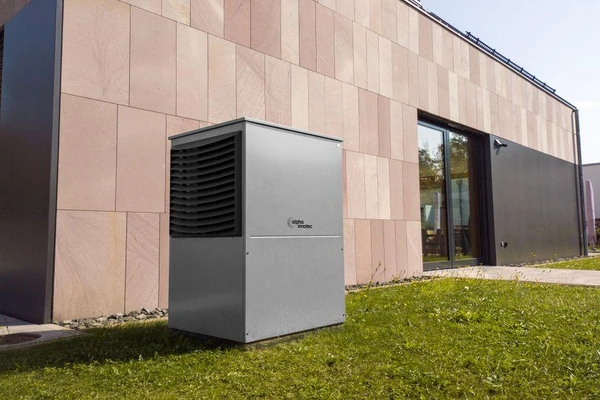
Choosing the right HVAC and electrical solutions for Cornelius, OR’s unique climate requires careful consideration. Our winters, while not always extreme, can be damp and chilly, making efficient heating a priority. Heat pumps have become increasingly popular due to their ability to provide both heating and cooling with remarkable energy efficiency, even in colder temperatures. For homes where ductwork is impractical or for targeted heating and cooling, ductless mini-splits offer flexible, zoned comfort.
However, even with advanced systems, regular furnace maintenance remains crucial for ensuring optimal performance and preventing unexpected breakdowns. A well-maintained furnace, whether it’s your primary or backup heating source, will operate more reliably and efficiently. Beyond the heating unit itself, comprehensive weatherization of your home-including insulation, sealing air leaks, and upgrading windows-can drastically reduce your heating load, allowing your HVAC system to work less and save more energy.
To illustrate the shift towards more efficient heating, consider the differences:
- Traditional Furnaces: Rely on burning fossil fuels (natural gas, oil, propane) to generate heat. Heat is distributed through ductwork. Can be effective but often less energy-efficient than modern alternatives.
- Modern High-Efficiency Furnaces: Still burn fuel but incorporate advanced technology to extract more heat, reducing waste. Require proper ventilation and electrical support.
- Air-Source Heat Pumps: Transfer heat from the outside air into your home in winter, and vice-versa in summer. Highly energy-efficient, as they move heat rather than generate it. Require significant electrical support and often a backup heating source for very cold days.
- Geothermal Heat Pumps: Utilize stable underground temperatures for heating and cooling. Extremely efficient but have higher upfront installation costs. Also require substantial electrical infrastructure.
- Ductless Mini-Splits: Air-source heat pumps without ductwork, offering zoned heating and cooling for individual rooms or areas. Flexible and energy-efficient, suitable for additions or homes without existing ducts.
When making these choices, we encourage homeowners to consult with professionals who understand the specific demands of our local climate and can recommend solutions tailored to their home’s unique needs and existing electrical capacity.
The Role of Smart Thermostats and Panel Upgrades
Smart thermostats and electrical panel upgrades are foundational to a truly integrated and efficient home comfort system. Smart thermostats go beyond simple programming; they learn our habits, can be controlled remotely, and often integrate with zoning systems to provide individual temperature control for different areas of the house. This precision control not only enhances comfort but also significantly reduces energy waste by heating or cooling only the spaces that need it, when they need it.
Electrical panel upgrades, on the other hand, provide the necessary infrastructure to support these modern technologies and powerful HVAC systems. They ensure proper load management, distributing electricity safely and efficiently throughout the home. A modern panel offers increased capacity, allowing for the addition of new appliances, EV chargers, and, crucially, high-efficiency heating and cooling units without risking overloads. Beyond safety, an upgraded panel can also facilitate smart home integration, acting as the central nervous system for your home’s energy monitoring and management, providing valuable insights into usage patterns and potential areas for further savings.
Frequently Asked Questions About HVAC and Electrical Solutions
We often encounter common questions from homeowners in Cornelius as they consider upgrading their HVAC and electrical systems. Here are some of the most frequent inquiries we receive, along with our expert insights.
How do I know if my electrical panel can support a new heat pump?
Determining if your existing electrical panel can support a new heat pump is a critical step, as heat pumps, especially larger models, require a significant amperage capacity. The best way to know for sure is to have a qualified electrician perform a load calculation for your home. This assessment takes into account all existing electrical loads (appliances, lighting, outlets) and then adds the specific requirements of the new heat pump.
Often, older homes with 100-amp service panels may need an upgrade to 200 amps to safely accommodate a heat pump, which typically requires a dedicated circuit. Attempting to install a heat pump without adequate electrical support can lead to frequent breaker trips, system damage, and serious electrical safety hazards. We always recommend professional evaluation to ensure your panel is not only capable but also compliant with current electrical codes.
What are the benefits of upgrading to a ductless mini-split system in Cornelius?
Upgrading to a ductless mini-split system offers several compelling benefits for Cornelius homeowners, particularly for those seeking flexible and efficient heating and cooling.
- Zoned Comfort: Mini-splits allow for individual temperature control in different rooms or zones, meaning you only heat or cool the spaces you’re using. This eliminates the waste associated with conditioning an entire house when only a few rooms are occupied.
- Energy Efficiency: Because mini-splits don’t rely on ductwork, they avoid the energy losses (up to 30% in some cases) associated with leaky or poorly insulated ducts. This direct delivery of conditioned air results in higher energy efficiency and lower utility bills.
- Easy Installation: Compared to traditional ducted systems, mini-splits are generally easier and less invasive to install. They require only a small conduit to connect the outdoor unit to the indoor air handlers, making them ideal for additions, converted spaces, or homes without existing ductwork.
- Improved Indoor Air Quality: Many mini-split systems come with multi-stage filtration capabilities, which can significantly improve indoor air quality by reducing dust, allergens, and other airborne particulates.
These benefits make ductless mini-splits an attractive option for enhancing comfort and efficiency in various home settings across Cornelius.
Why is regular heating maintenance crucial for preventing electrical issues?
Regular heating maintenance is not just about keeping your furnace or heat pump running; it’s also a proactive measure to prevent potential electrical issues. When a heating system is not properly maintained, various components can become strained, leading to increased electrical demand and potential problems.
For example, dirty filters restrict airflow, forcing the furnace’s motor to work harder and draw more current, which can lead to premature motor wear or even electrical component failure. Similarly, worn-out bearings or other mechanical issues can cause motors to overheat or pull excessive power. During routine maintenance, technicians inspect and clean electrical connections, check for frayed wiring, and ensure all components are operating within their specified electrical parameters. Addressing these issues early on reduces the motor strain, ensures optimal system efficiency, and significantly lowers the risk of electrical faults, tripped breakers, or more serious electrical hazards.
Conclusion
Upgrading your home’s HVAC and electrical systems in Cornelius, OR, is more than just a home improvement project; it’s an investment in lasting home comfort, enhanced safety, and significant long-term savings. By understanding the intricate relationship between your heating and electrical infrastructure, we can make informed decisions that lead to a more efficient, reliable, and comfortable living environment for our families.
From recognizing the subtle signs of a struggling system to selecting modern, integrated solutions like heat pumps and smart thermostats, every step contributes to a healthier, more sustainable home. We encourage homeowners to prioritize regular maintenance and consult with qualified professionals for any upgrades or repairs. Their expertise ensures that your home’s systems are not only up to code but also perfectly tailored to meet the unique demands of our Pacific Northwest climate. Embrace the future of home comfort and efficiency by ensuring your HVAC and electrical systems are working together seamlessly.
